
Books on advice for women
Three books of advice for women spread across more than a century is a great way of mapping the enormous strides women have made over the decades. Don’ts for Wives by Blanche Ebbutt ( 1913) is a list of instructions to women advising them on how to survive, particularly on how to manage their husbands. Tucked away in it are some gems like this:
Don’t forget that you have a right to some money to spend as you like; you earn it as wife, and mother, and housekeeper. Very likely you will spend it on the house or the children when you get it; but that doesn’t matter — it is yours to spend as you like.
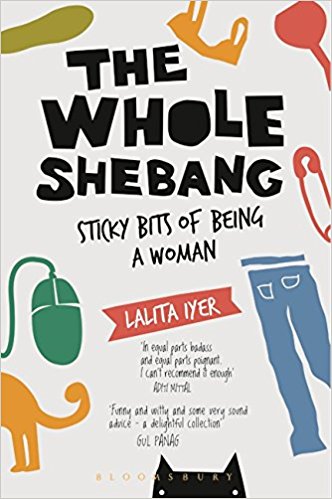 Published in 2017 are Little Black Book by Otegha Uwagba ( HarperCollins) and The Whole Shebang: Sticky Bits of Being a Woman by Lalita Iyer ( Bloomsbury India) are two handybooks on what it takes to be a professional woman while juggling a million other responsibilities. There is plenty of sound advice offered by Otegha Uwagba whereas Lalita Iyer imparts similar nuggets of information but in a more personal way through anecdotes. There are many, many more books of a similar nature being published and of late there is practically a deluge of these books since the women reader market is burgeoning. Suddenly from a niche area it has become a mainstream market so there is a range of information available. All said and done all the books advise that women need to focus on self-preservation, maintaining their sanity, identity and self-respect and not necessarily capitulating to all that is expected of them. Sharing stories is one way of being able to get through to other women.
16 August 2017