Puffin Books Posts

“India in Triangles: The Incredible Story of How India was Mapped and the Himalayas Measured” by Shruthi Rao and Meera Iyer

The Great Trigonometrical Survey (GTS), an ambitious mission in the nineteenth century to map India using triangulation―a brilliant method that helped them measure every inch with accuracy. Along the way, they calculated the height of the world’s tallest mountain and revealed the true shape of the earth. The survey lasted nearly a hundred years and was led by several men, including William Lambton, George Everest and Andrew Waugh. But it wasn’t just them—thousands of people worked on this massive project.

India in Triangles is a fascinating account of the survey in India. The authors are able to share an important piece of history without dumbing down any information, even though the intended target audience is for young adults. This is the kind of book that will work supremely well in the crossover market for its readability, accessibility to information, listing and acquisition of the heavy equipment used in the mapping and of course, the stories involving the key people. It is a slim volume that is easily read like a thrilling adventure story. The fascination with which these pioneers chose to map the subcontinent does not dim with time.

Read an extract from the book on Moneycontrol. It is published by Puffin Books, Penguin Random House India.

Shruthi Rao has a master’s degree in energy engineering, and worked in the IT industry before she started writing. She is the author of multiple books such as 10 Indian Women Who Were the First to Do What They Did ,20 Indians Who Changed the World, Manya Learns to Roar, among others. She lives in the San Francisco Bay Area, and loves books, desserts, trees, benches, science and long walks.

Meera Iyer loves listening to, researching and writing about stories of people and places, buildings and streets. She volunteers with the Indian National Trust for Art and Cultural Heritage (INTACH) to help protect and celebrate Bengaluru’s history and heritage. She loves coffee, dark chocolate and potsherds.

15 August 2025

“India in Triangles: The incredible story of how India was mapped and the Himalayas measured” by Shruthi Rao and Meera Iyer

India in Triangles is a truly fascinating account about the Great Trigonometrical Survey of India in the nineteenth century. It was a mission to map India by the British using triangulation. A method that helped them measure every inch with accuracy. Along the way, they calculated the height of the world’s tallest mountain and revealed the true shape of the earth.

Shruthi Rao and Meera Iyer tell a riveting tale of how India was mapped. It is an extraordinary story that incorporates mini biographies of the key people like William Lambton, George Everest, and Radhanath Sikdar, to name some. The authors have used scientific data, mathematical descriptions and historical details that could have fallen into the dangerous trap of being a complicated account; instead it is lucidy, swiftly moving, and despite being packed with information, it is immensely readable. They have also managed to create a text that does not dumb down its tone as if that is the only way for speaking to children. This book will work in the cross over market.

There are illustrations of the instruments used and even of the maps created. Unfortunately, some of the maps are quite unreadable and like black blotches of newsprint.

While I get the importance of watching costs in producing a book, surely, exceptions to the rule could have been in the case of India in Triangles. Firstly, when reproducing maps in a book, avoid doing a double page spread where the map falls into the gutter. Consider, printing the map in a folded paper. Make the experience immersive, tactile, and legible. Let the target audience know what it means to open a folded map and pore over it. Secondly, avoid using blurry, black and white print. Try and spend time with the design, even if the original reproduction of the map is of poor quality, and attempt to sharpen the image. It will take many hours to fix but ultimately, it will be worth it. When a book is a pleasure to read, the word spreads very quickly. Finally, even if this title is meant as children’s literature, surely there could have been an attempt to make the information in the boxes easier to read (or just do away with them!). To put faint white print on a dark background is uninteresting, dull and makes the text very difficult to read. Why is the joy taken out of reading because of the constant emphasis on cost? Surely, a decent balance can be struck between the two factors.

Sadly, this delightful book, has been printed on poor quality paper, that is rough to touch and is reminiscent of school textbooks. So, even if the layout, dimensions, and content of the book is not the same as the textbook, the memories that it throws up while holding such a book can mar the reading pleasure.

Reading a book is not just about reading the words on the page. Avoid making it into a workmanlike experience that is inevitably equated with reading school curricula. Reading should not be a chore. It should be a memorable pleasure and most certainly, when it is a book on the mapping of the Indian subcontinent. Tweaking a few design elements, looking at options in the market within the budget, to produce a low cost publishing may take a while to cobble but it will be worth it. It just requires a wee bit of imagination and a confident boldness, matching the astonishing clarity and perfect tenor with which the authors write. Their storytelling is filled with immense joy bordering on almost childish glee at stringing together the stories that make up this sparkling narrative.

This book is going to sell well. It will have a long tail.

All said and done, read it. It is published by Puffin Books, Penguin Random House India.

23 July 2025

Of ghosts, musicians and children
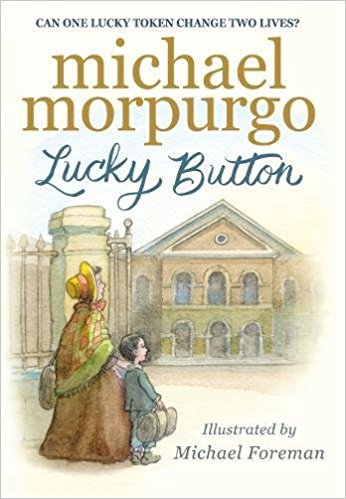
In an interesting coincidence two stories I read recently — Michael Morpurgo’s beautiful Lucky Button and the short story “They call me Ramatanu” in Subhadra Sengupta’s A Bagful of History — both involved ghosts and eminent musicians. Lucky Button is a haunting tale about the Foundling Hospital which opened in London in 1741. Its patrons included the cartoonist William Hogarth and musician Handel whose Messiah was often sung in the building. One of the foundlings later becomes a friendly ghost who remains in the chapel. Centuries later when young Jonah takes refuge in the building to escape his class bullies, the ghost makes himself visible to the boy and tells him a tale — a tale of his life as an orphan who found happiness for a while as the young prodigy, Mozart’s, companion on his trip to Britain. For Jonah music especially Handel’s music and Mozart’s piano compositions are dear since they remind him of his mother’s fondness for the compositions when she was fit and well and not confined to her wheelchair. It is like all the stories Michael Morpurgo spins — evocative and memorable.

Subhadra Sengupta’s story is about Parvez Khan, son of Ustad Amanullah Khan, the great Dhrupad singer who is visiting his maternal grandparents in Gwalior. One day while visiting the mausoleum of the Sufi saint Sheikh Muhammad Ghaus, an important shrine for Parvez Khan’s family because one of the disciples of Ghaus was the singer Tansen. While at the shrine Parvez meets a stranger and gets into an interesting conversation about music and his desire to give up singing. The stranger gently persuades Parvez to sing him a Raag Todi and is pleasantly surprised to hear that Parvez would soon be graduating to his second Raag Malhar soon. The stranger himself was not permitted to learn the second Raag for at least two years, not till he had mastered Raag Yaman. The stranger as it turns out to be is the ghost of Tansen who had been born as a Ramtanu Pandey but later became a sufi. The Agra gharana of Hindustani classical music traces its lineage to the children of Tansen. “They call me Ramatanu” stands out as one of three good stories in what is an otherwise a problematic collection of twelve “historical” tales. ( The other two good stories are “The young monk” and “Disobedient girl”.)

Michael Morpurgo Lucky Button ( Illustrated by Michael Foreman) Walker Books, London, 2017. Hb. pp. 170 Rs 599 

Subhadra Sen Gupta A Bagful of History ( Illustrated by Tapas Guha) Puffin Books, an imprint of Penguin Random House, Gurgaon, 2018. Pb. pp. 240 Rs 250

8 May 2018 
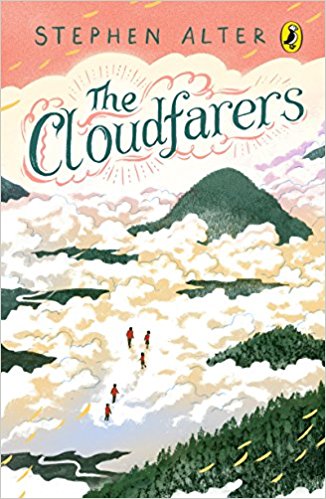


Stephen Alter’s “The Cloudfarers”

‘…At Paramount, they put a lot of ideas in your head, all of which sound as if they’re true, but actually it’s just a way of making you think like them,’ said Meghna.

‘ Why would they do that?’ asked Kip.

‘Because the principal doesn’t want anyone to think for themselves,’ she explained. ‘All that talk about Verum Libertas, “truth is freedom”, those are empty words. They want you to believe their version of the truth, nobody else’s.’

Stephen Alter’s latest novel for young adults The Cloudfarers is set in Paramount school that is nestled high in the mountains, high enough to be enveloped in clouds. Kip is new to the school and was enrolled in it by his aunts who thought this would be the best education for him. Kip is now the aunts responsibility, given that his parents had been whisked away by the police who accused them of financial irregularities at the bank where they were employed. At the school he befriends a gentle giant of a classmate called Scruggs, who in turn introduces him to Meghna and Juniper. They are a reticent bunch of children as evident from their demeanour but they take a shine to Kip. Within a very short span of time the children are trusted friends.

Once upon a time the 100-year-old school used to be a lively, thriving and vibrant place but no more. It is a tyrannical establishment where students are frog marched from one activity to the next. Playtime is a bizarre brute game where no rules apply and is aptly called “War”. It is played by both boys and girls students who are cheered on by the school teachers. The plot moves fast. Soon Kip along with his new found friends hatch a plan to escape the oppressive school environment. As they run towards freedom they are pursued by the principal and his colleagues.

The Cloudfarers is a slim novella but packs quite a punch with its worldly wisdom. The story zips despite the convenient conclusion. It has all the predictable tropes of a school story lulling the reader into a familiar comfort zone. Yet this satirical novel written explicitly with the young in mind exposes the modus operandi of how dictators operate to ensure smooth functioning of systems. The Cloudfarers encourages youngsters to be inquisitive and seek answers for themselves rather than relying on being spoon fed information particularly by draconian figures of authority. It is also essential and empowering to recognise these autocrats for what they are and learn to challenge their authority. It is possible to do so by exercising one’s free will.

The Cloudfarers is essential reading.

Stephen Alter The Cloudfarers Puffin Books, New Delhi, 2018. Pb. pp. 180 Rs 199

27 March 2018 


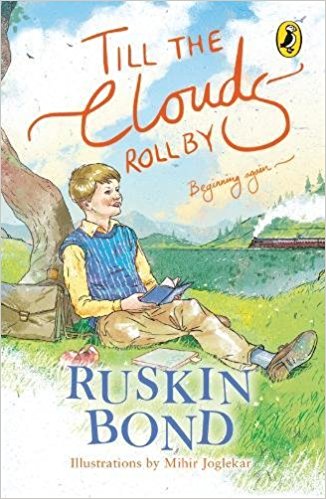
Ruskin Bond “Till the Clouds Roll by”

The following is an extract from Ruskin Bond’s delicious new book Till the Clouds Roll By. It is a gently told, haunting memoir of his childhood, recounting incidents soon after his father passed away. He was lonely despite spending his holidays with his mother and her new family. The following extract has been used with permission from the publishers, Puffin Books.

The following day, when the hunting party headed for the jungle, I had the rest house to myself—except for Mohan, the boy assistant, who had been left in charge of the kitchen.

Exploring the old bungalow, I discovered a storeroom at the rear—a room full of old and broken furniture: a settee with the stuffing coming out, a bed with broken springs, a cupboard with a missing door. The remaining door swung open at my touch to reveal a treasure trove of books—books that were in good condition because they hadn’t been touched for years, the collection of some bygone forest officer perhaps.

Here I found enough reading to keep me occupied for the rest of the week. Here I discovered the ghost stories of M.R. James, that master of the supernatural tale, scholarly and convincing. Here I discovered an early P.G. Wodehouse novel, Love among the Chickens, featuring Ukridge, that happy optimist, who was to become my favourite Wodehouse

character. Ukridge always addresses everyone as ‘old horse’—‘And how are you, old horse?’or ‘Lend me a fiver, old horse!’—and for several months I found myself addressing friends and families in the same manner, until one day, back in school, I addressed my headmaster as ‘old horse’ and received a caning for my pains.

In the forest bungalow I also discovered Agatha Christie’s first Poirot novel, The Mysterious Affair at Styles, John Buchan’s spy thriller The Thirty-Nine Steps and the short stories of O. Henry and W.W. Jacobs. There were some children’s books in that cupboard too—and I have to confess that I read very few children’s books as a boy. I had gone straight from comic papers to adult fiction!

The front veranda of the bungalow had a very comfortable armchair, and I spent most of the day stretched out in it with one of those books for company. Instead of becoming a great shikari, as my mother and stepfather might have wished, I had become an incurable bookworm, and was to remain one for the rest of my life.

Mohan would bring me bread and butter and a glass of hot tea, and I was quite content with this spartan lunch. The cook and the food baskets would go along with the shikar party, who would be enjoying mutton koftas and pilau rice whenever they tired of following an elusive tiger. But I was having an adventure of my own.

The shikar party decided to make one last rumble through the jungle in search of the fabled tiger. It was literally a rumble, because Mr Hari had engaged some thirty to forty villagers from across the river to ‘beat’ the jungle—that is, to advance in a line through the forest, beating drums, or kerosene tins, and blowing on horns, or home-made trumpets, in a bid to drive the forest creatures out of their lairs and into the open.

This they succeeded in doing, but in the wrong direction.

While the hunters waited for their quarry at the edge of the forest, the villagers—confused by the trumpeting of the elephants—took another route, in effect driving the animals to safety, and in the direction of the rest house.

I was sitting in the veranda, a book on my knee, when I heard a lot of grunting and squealing. I looked up to see a number of wild boars streaming across the clearing in front of me!

They emerged from one side of the jungle and disappeared into the thickets on the other side.

Now they were followed by a herd of deer—beautiful spotted chital, and then handsome, tall sambar. All emerging from the trees, moving swiftly across the clearing and making their way into the forest.

Peacocks and junglefowl, also disturbed by the village orchestra, flew across the clearing, exchanging sal for shisham.

Fascinated by this sudden appearance of birds and beasts, I remained sitting in my armchair—not in the least alarmed—because it was obvious that the animals were intent on getting as far away from humans as possible.

And presently I was rewarded with the sight of a lithe and sinewy leopard slinking past the bungalow. It may have been looking out for its own safety or it may have been following the

deer, but there it was—all black and gold in the late afternoon sun.

And then it vanished into the dense green foliage.

Hours later, the hunters returned, grumpy and empty-handed except for an unfortunate barking deer.

‘I saw a leopard while you were away,’ I told my mother and stepfather.

They were not impressed.

‘He’s making it up,’ said Mr Hari.

‘Well, he does have a vivid imagination,’ said my mother. ‘It must be all those books he’s been reading.’

I did not argue with them. You don’t argue with adults who have made up their minds about you.

The tiger had eluded them, but I had seen a leopard. So I had achieved a small victory.

Excerpted from Till the Clouds Roll by, authored by Ruskin Bond, published by Puffin Books (An imprint of Penguin Random House). MRP:250/-

8 March 2018 


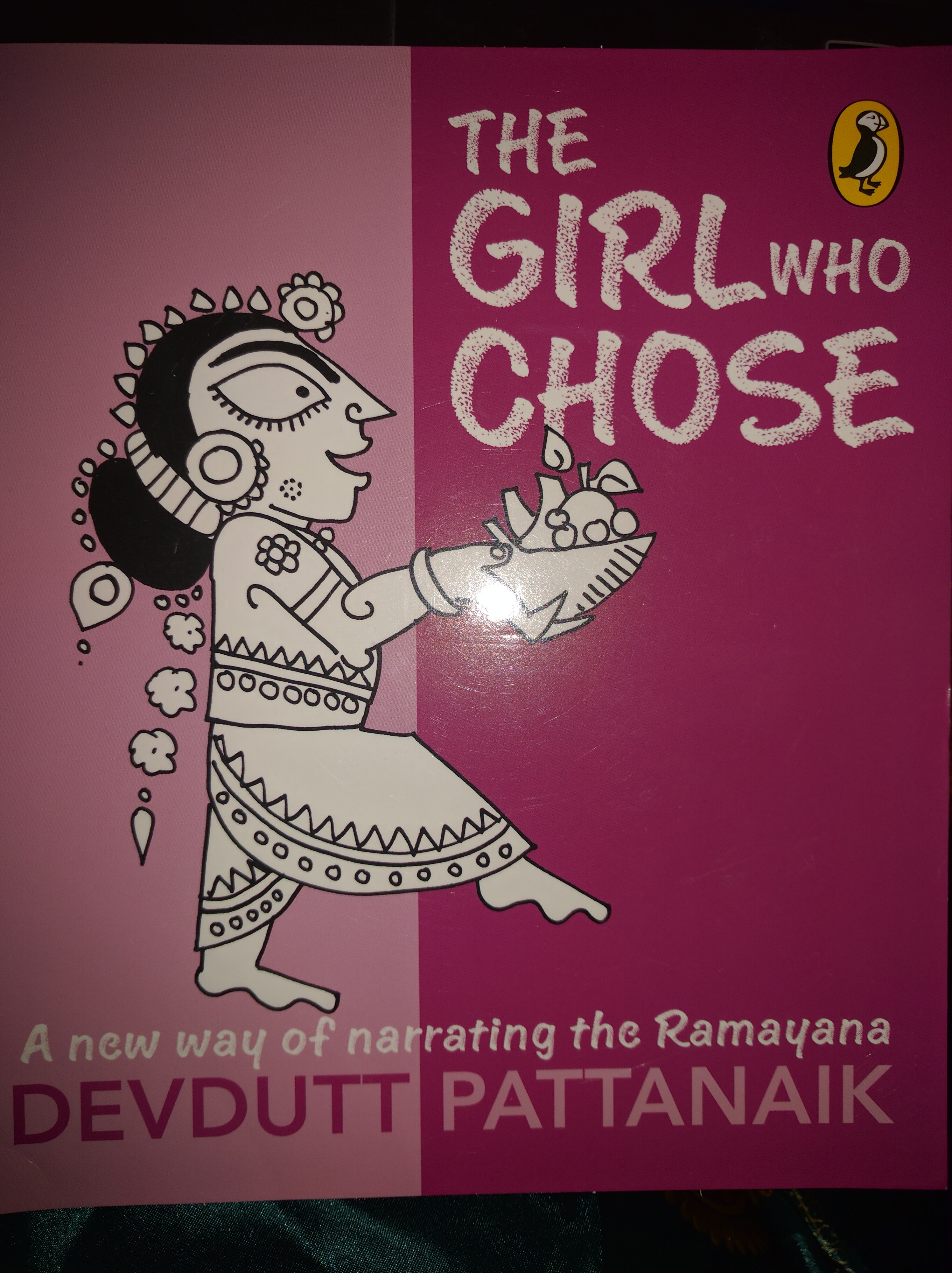
Devdutt Pattanaik’s “The Girl Who Chose”

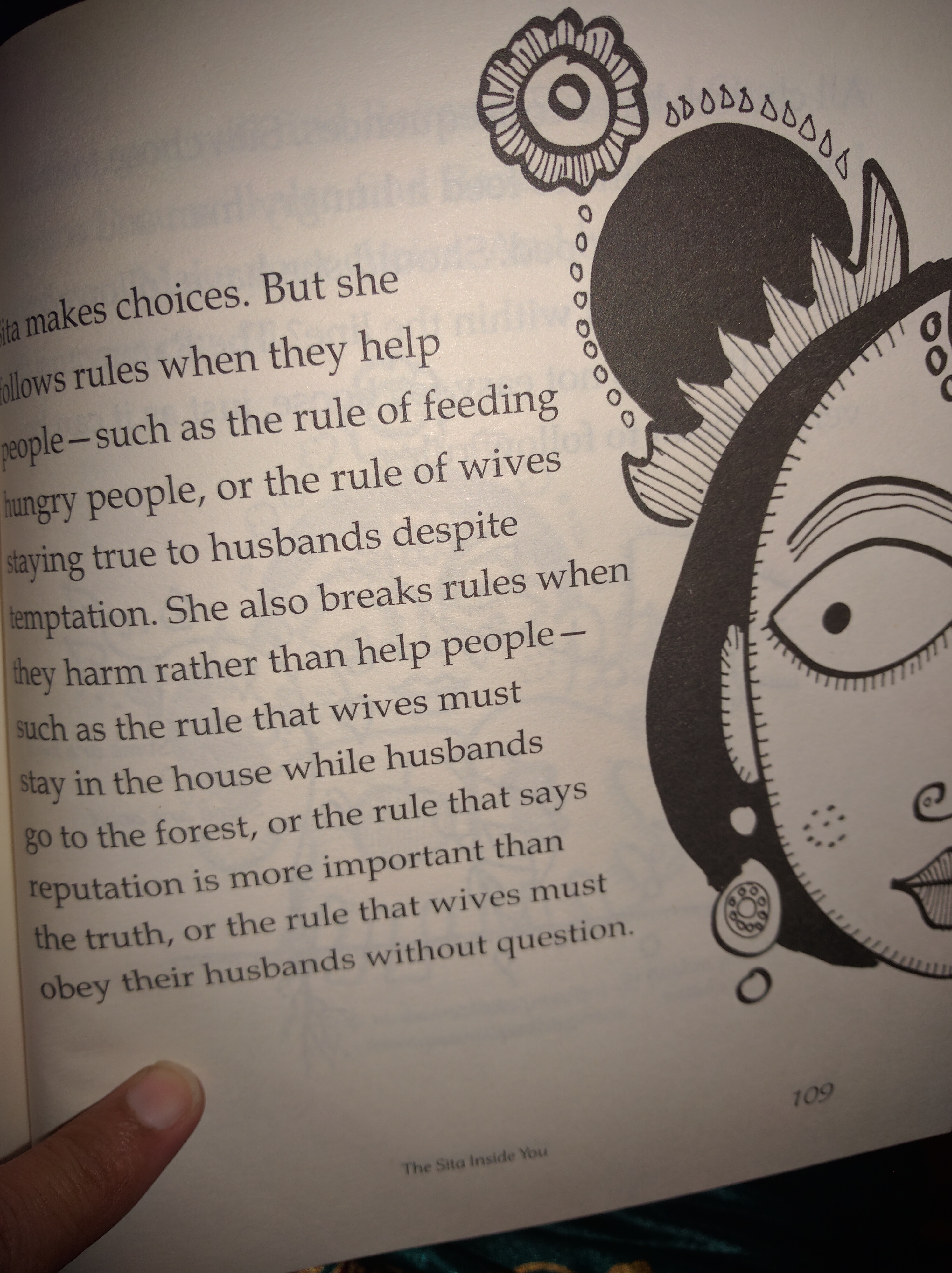
img_20161007_222947

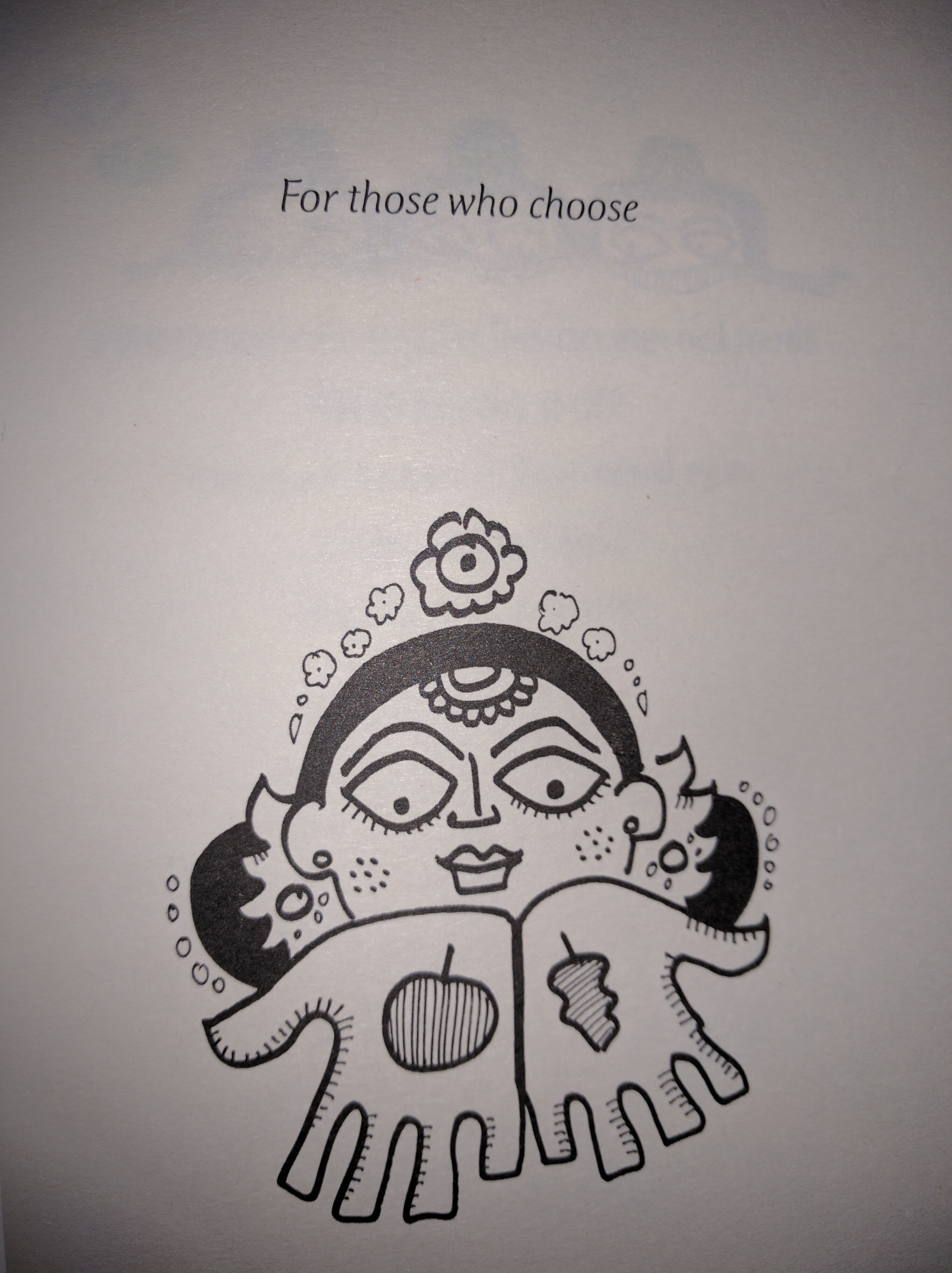
Incredible dedication in the book

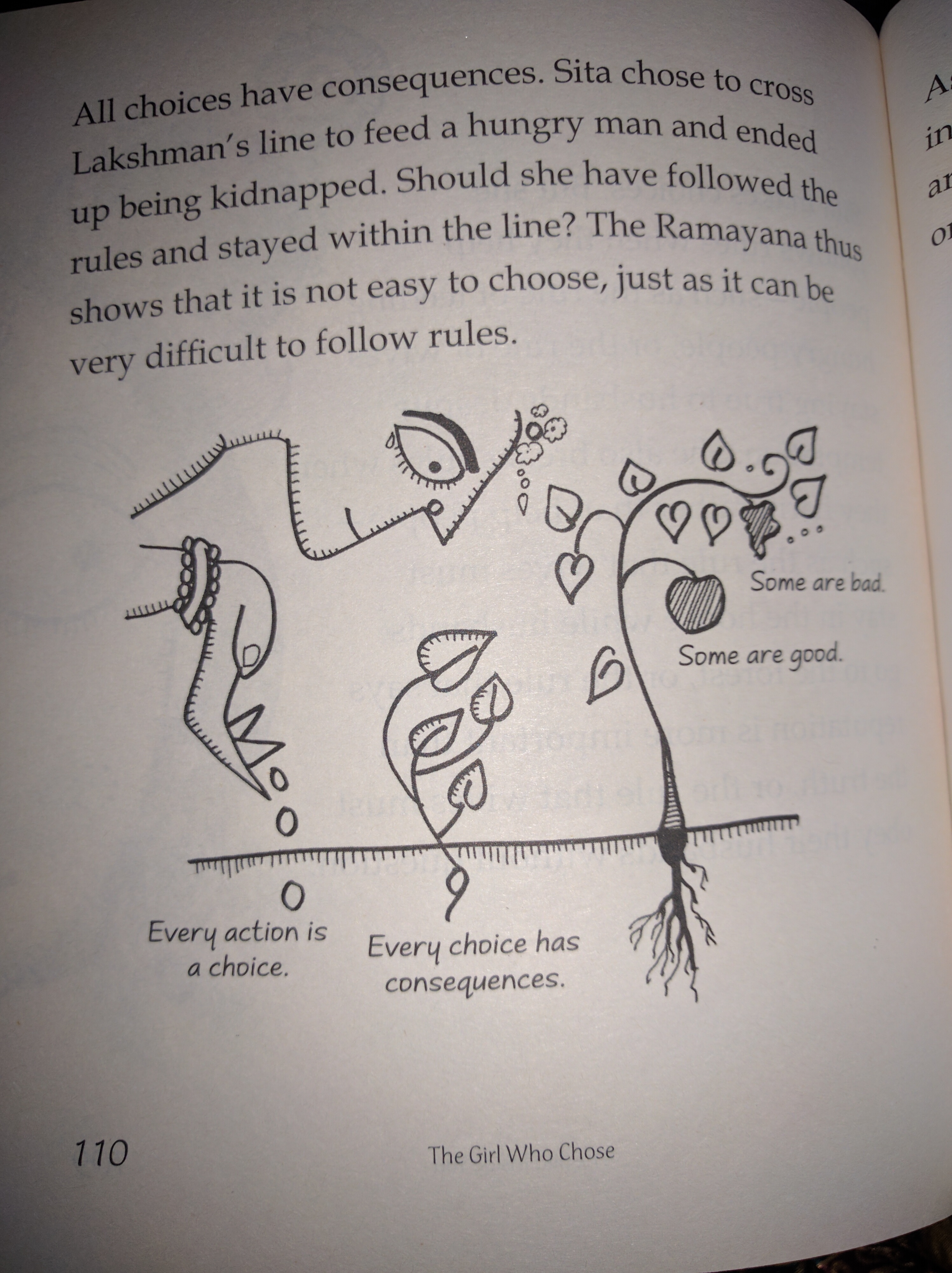
img_20161007_222930

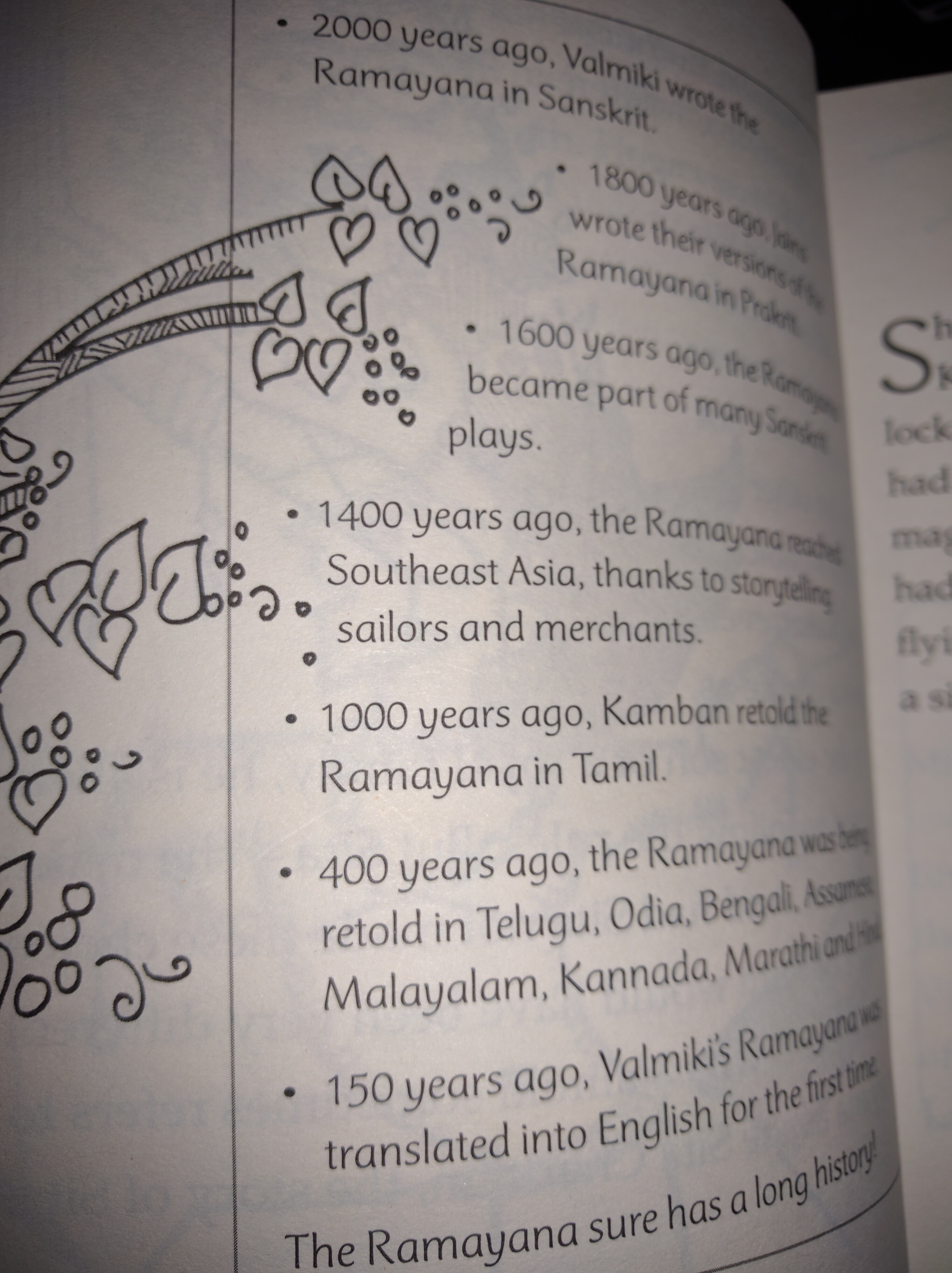
Popular mythologist and storyteller Devdutt Pattanaik’s The Girl Who Chose is about the five choices Sita makes in the Ramayana. These choices have consequences. The beauty of Devdutt Pattanaik being so familiar with the Hindu img_20161007_223036epics is that he is able to play with the material which exists making apparent that has always been in the stories but largely ignored. This book is about one such aspect — the choices a woman can make and has the right to do so. In this case it is Sita no less who is otherwise in an overtly patriarchal interpretation of the epic is made out to be demure and obedient wife. Whereas Devdutt Pattanaik with his vast knowledge of the various versions of the Ramayana and the local interpretations is able to create an image of a strong and independent woman who knows how to negotiate and exist. In fact she is considered to have taught her twin sons — Luv and Kush — the art of warfare.

This slim text has been illustrated in the characteristic style by Devdutt Pattanaik. This is a must have text and should be circulated widely to counter many of the wrong and inevitably patriarchal interpretations of the epic. It would be interesting to see if even a small fraction of the strong Sita that comes through the evidence collated by the mythologist will ever makes its presence felt in the interpretation of Sita enacted in the Ramlila during navratri.

img_20161007_223959img_20161007_224011
Devdutt Pattanaik The Girl Who Chose:  A New Way of Narrating the Ramayana Puffin Books, Delhi, India. Pb.pp. 112 Rs 199 


7 Oct 2016 


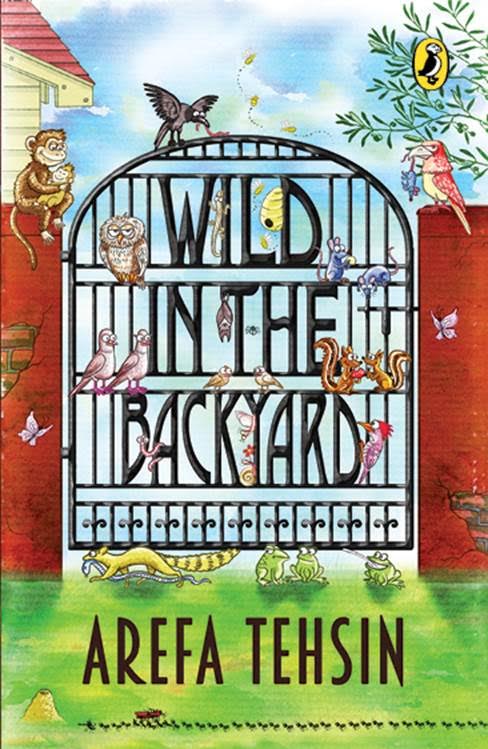
Arefa Tehsin, “Wild in the Backyard”

Arefa TehsinI have a six-year-old daughter, Sarah, who has taken to borrowing a series of non-fiction picture books from her school library. In the past few weeks we have read books on tarantulas, cockroaches, leeches and dog care. We have watched documentaries on spiders, camels, geckos and fishes. She is reserving the joy of watching a documentary on rattle snakes with her father ( who is not too keen to indulge her this one time!). So you cannot imagine her joy when she discovered Arefa Tehsin’s Wild in the Backyard on my desk. Sarah flipped through it. To her delight she was able to read the simple sentences and descriptions. It is written in a chatty tone. ( I found it to be in a similar vein to Gerald Durrell’s lovely My Family and Other Animals). Here is an example:

If they drink your blood, you won’t become a vampire. But they may leave you, at best, itching, and at worst, drooling and feverish in your beds. Those little Draculas — mosquitoes! They fly straight from drains and sewers to buzz in your ear and feast on your blood. ( p.40)

Arefa Tehsin ( https://arefatehsin.com/)  makes science and nature fascinating whether it is for the child or the adult reader. The illustrations that break up the text are fabulous. Somewhere a cross between authentic line drawings of the creatures being described and an illustration for a children’s book. These enable the young reader to identify the insects and birds described in the environment around them. A very useful and functional aspect. Learning and sensitivity begins at home. So if children can be imparted accurate information about the significance of animals in the eco-system rather than be hostile towards creatures they do not understand, who knows there may be hope in conservation efforts in the future.

Unfortunately the illustrator for the full page drawings tipped in and the tiny drawings scattered over the pages has not been acknowledged on the cover or the title page. Nor is there a blurb describing the illustrator beneath the author blurb. I am assuming it is Sayantan Halder since the copyright page says the illustration copyright rests with him. The back cover only acknowledges him for the book cover illustration. Very confusing and not very correct! Given that this stupendous text has been brought to life by the line drawings that complement it. Surely the illustrator could have been given due credit?

All said and done, Wild in the Backyard, is a must in every school and personal library. It is a brilliant book that shares information about the environment in an accessible manner without preaching to the young readers. It is a book for keeps.

Arefa Tehsin Wild in the Backyard Puffin Books, Penguin Books, India. 2015. Pb. pp. 230. Rs 199.

24 Feb 2016 

Literati: A Spiderweb of Yarns ( 14 November 2015)

jaya_bhattacharji-300x300My monthly column, Literati, in the Hindu Literary Review was published online on 14 November 2015 and in print on 15 November 2015). Here is the http://www.thehindu.com/books/literary-review/a-spiderweb-of-yarns/article7872752.ece. I am also c&p the text below. )

The old lady chuckled. “Each story that sinks into the book becomes a part of an ancient spiderweb full of stories.”

“As more stories are added in, the spiderweb gets bigger and bigger and bigger until it forms an invisible blanket that covers every city and town, every village and every forest. And when someone who is walking by touches the web accidently, stories will flow into their head and from their head to their fingers and from their fingers on to paper…”

(Suraya’s Gift: The Story Catcher Children by Malavika Nataraj. A chapter book published by Puffin Books)

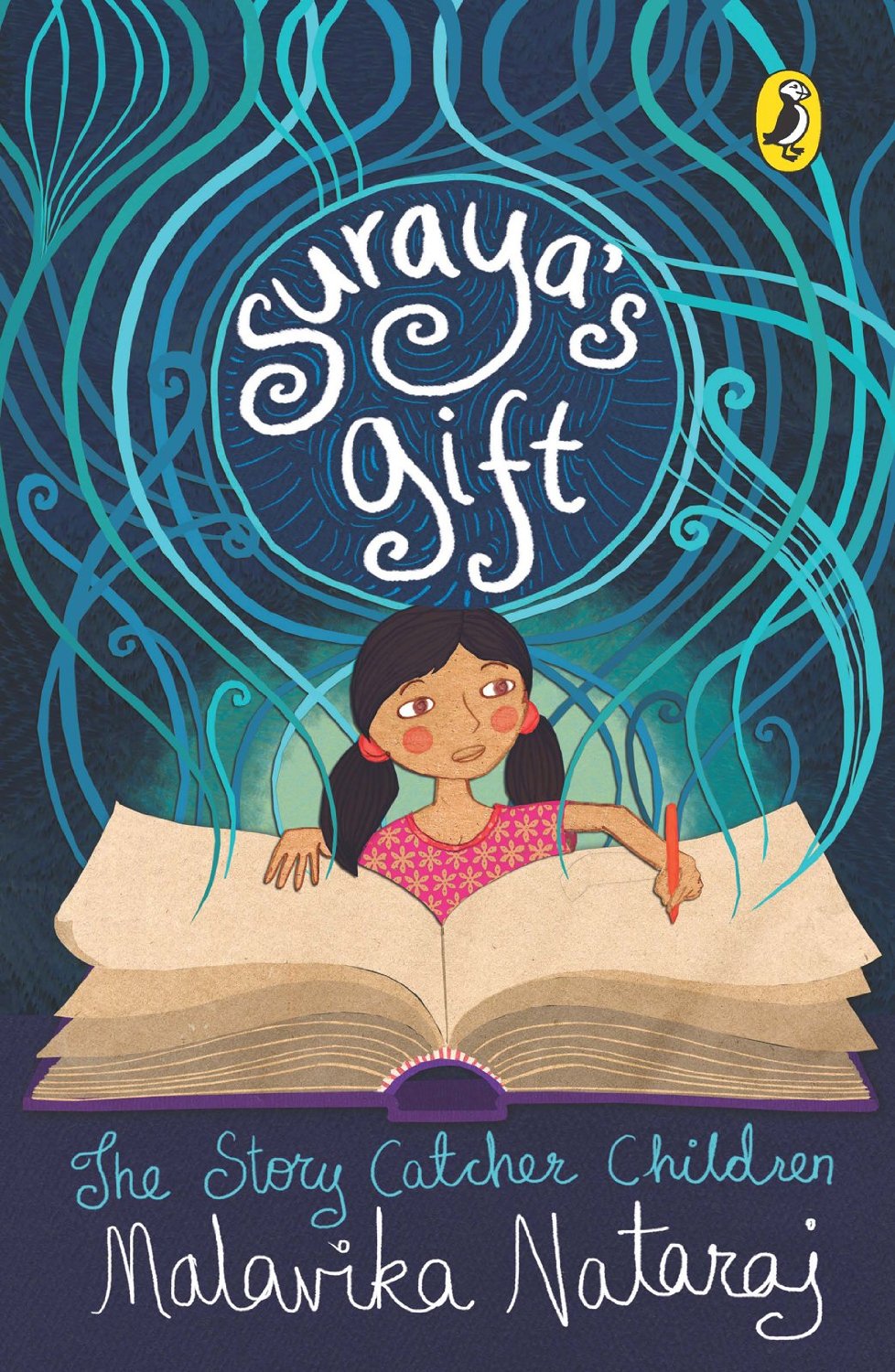
Suraya's GiftSuraya has been given an exquisitely designed blank notebook by her aunt. She scribbles stories in it for a while only to abandon it. Later, unable to locate it she encounters the Story Catcher who tells Suraya the book has been passed on to another child who has better use for it. Malavika Nataraj’s is a stunning debut.

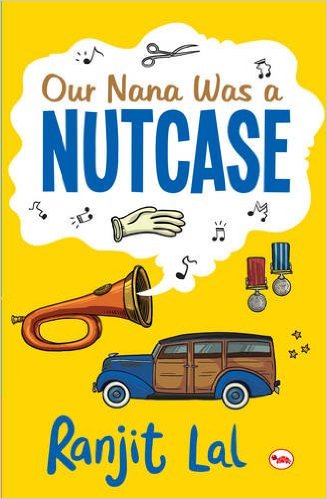
Ranjit LalThe importance of stories can never be stressed enough. Ranjit Lal’s new novel Our Nana was a Nutcase (Red Turtle) is about Nana, who is bringing up his daughter’s four children. (Their parents are busy diplomats.) It is a super brilliant, sensitively told novel about the children witnessing their Nana’s gradual decline with Alzheimer’s, their coming to terms with it and slowly realising they have to be the caregivers for their Nana. A similar story about the heartwarming relationship between grandfather and grandson is found in the bittersweet David Walliam’s David Walliamsbestseller Grandpa’s Great Escape (HarperCollins).

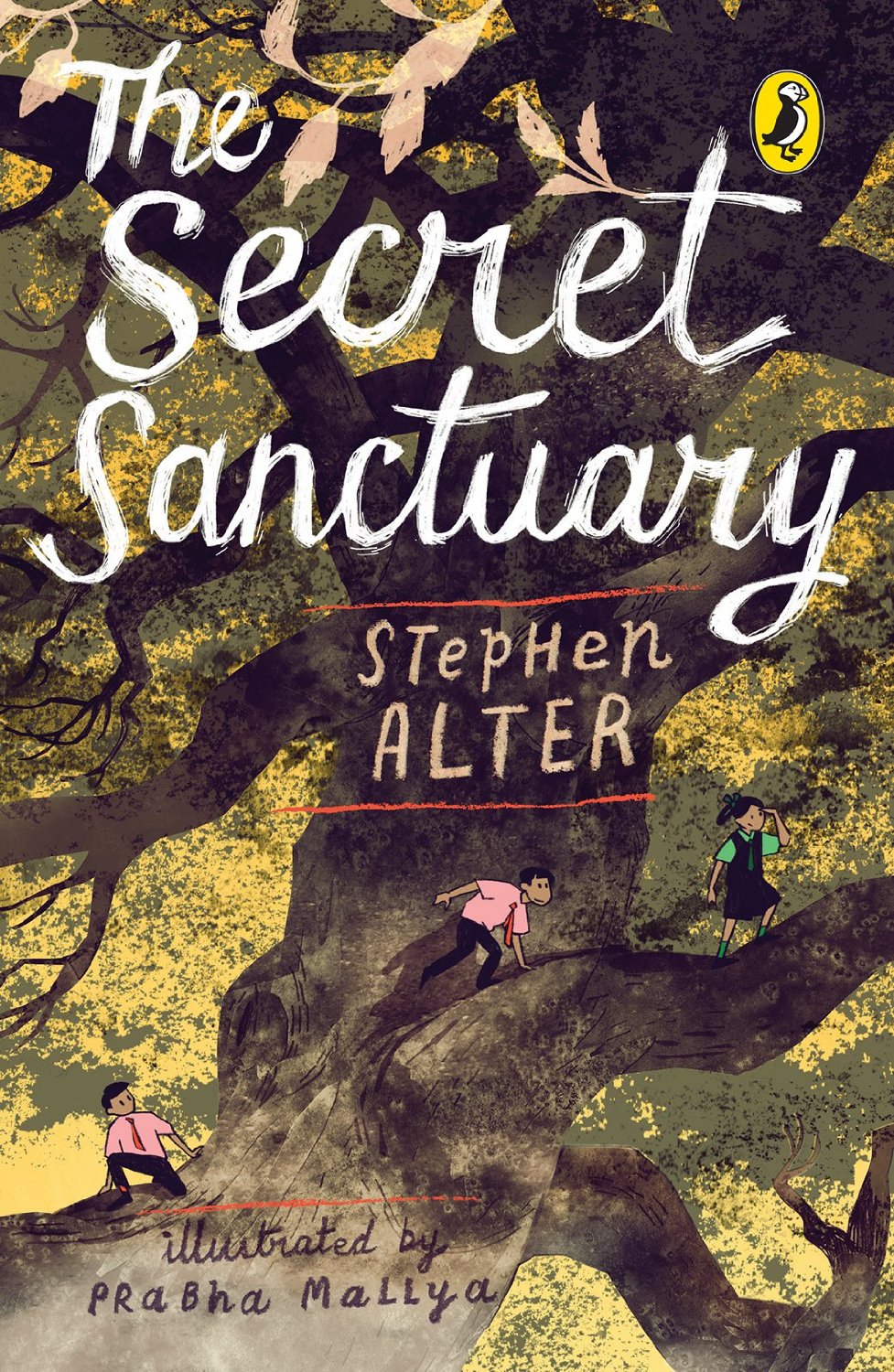
Stephen AlterStephen Alter’s slim novella The Secret Sanctuary (Puffin Books) is a little beauty too. It introduces three school children to the magic within a forest they tumble into while walking to school. It is a secret sanctuary where they can be in close proximity to the animals without the beasts being aware of their existence. They discover nuggets of information from the naturalist, Dr. Mukherjee.

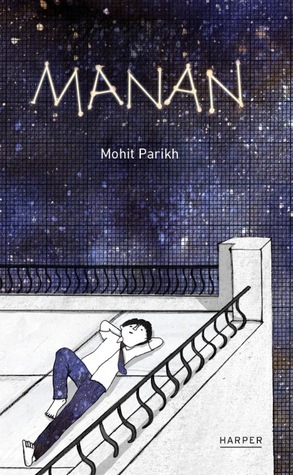
MananManan (HarperCollins) by Mohit Parikh is an “odd little tale” as he calls it. Manan attains puberty and is fascinated how reaching this milestone changes his perspective on life, transforming him in more ways than one. It is a first novel about an ordinary family in a small town.

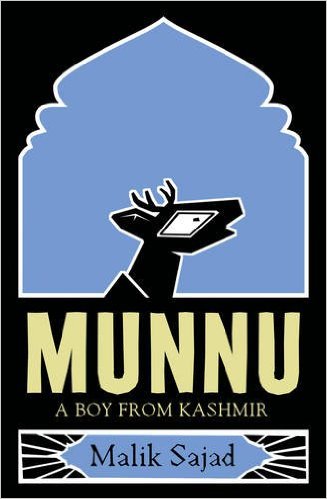
MunnuMunnu: A Boy from Kashmir (HarperCollins), a graphic novel by Malik Sajad with autobiographical elements, is already causing a stir internationally. Sajad anthropomorphises the Hangul deer to tell the chilling account of being a young boy in Kashmir when it was torn apart by conflict. Munnu capitalises upon his excellent drawing skills to draw political cartoons.

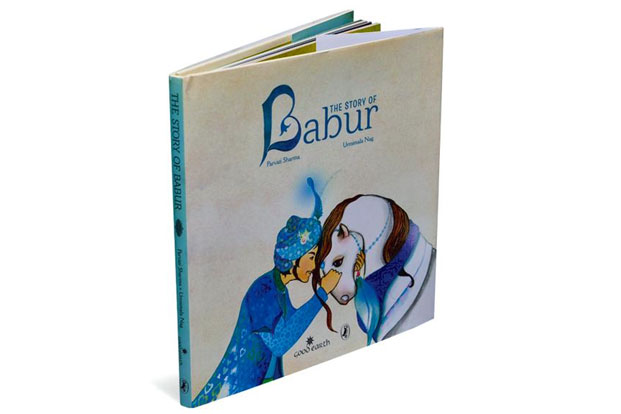
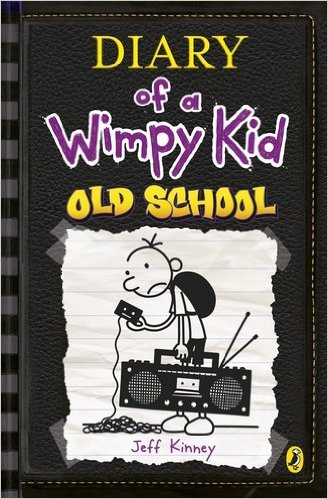
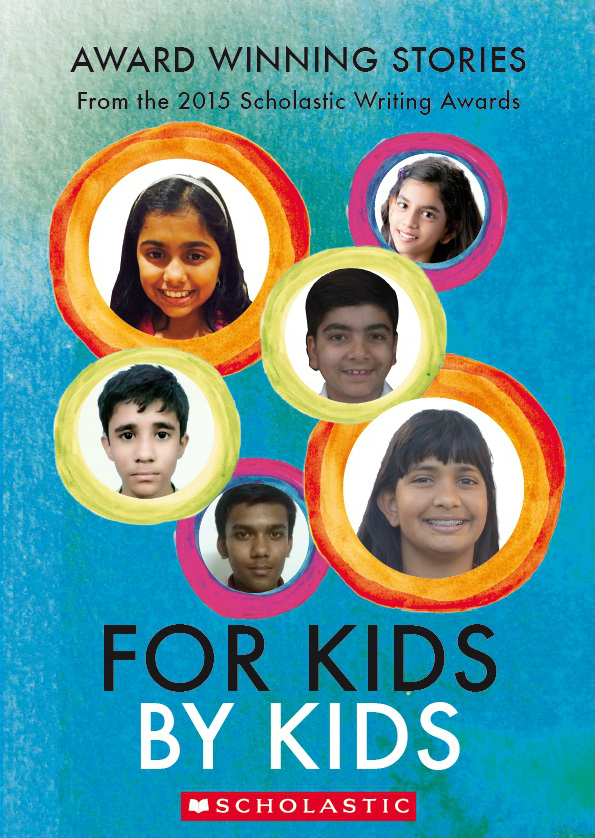
Some other examples of well-told stories are: Scholastic India’s annual offering For Kids by Kids featuring short stories by young writers between the ages of 10 and 16. Paro Anand’s Like Smoke (Penguin Books), a revised edition of her young adult stories Wild Child; Parismita Singh’s stupendous graphic story retelling the Naga folktale Mara and the Clay Cows (Tulika); Karishma Attari’s debut novel I See You (Penguin Books), a chilling horror set in Mumbai, and the gorgeously produced retelling of the Baburnama called The Story of Babur by Parvati Sharma, illustrated by baburUrmimala Nag (co-published by Good Earth and Puffin Books). Scholastic’s Branches book series like Dragon MastersThe Notebook of Doom and Owl Diaries ( http://www.scholastic.com/branches/), and Simon and Schuster’s travelogue series Greetings from Somewhere ( http://www.simonandschuster.com/series/Greetings-from-Somewhere) with helpful illustrations, easy-to-read text and simple plot lines designed for newly independent readers, are strong on storytelling Wimpy Kidtoo. Then there is the astoundingly popular Jeff Kinney, whose Diary of a Wimpy Kid: Old School within a week of its release has already sold 100,000 copies in India. Timed with its release has been the launch of the Puffin Car that will be used to build excitement about books and the habit of reading among children.

For Kids By Kids 2015

***

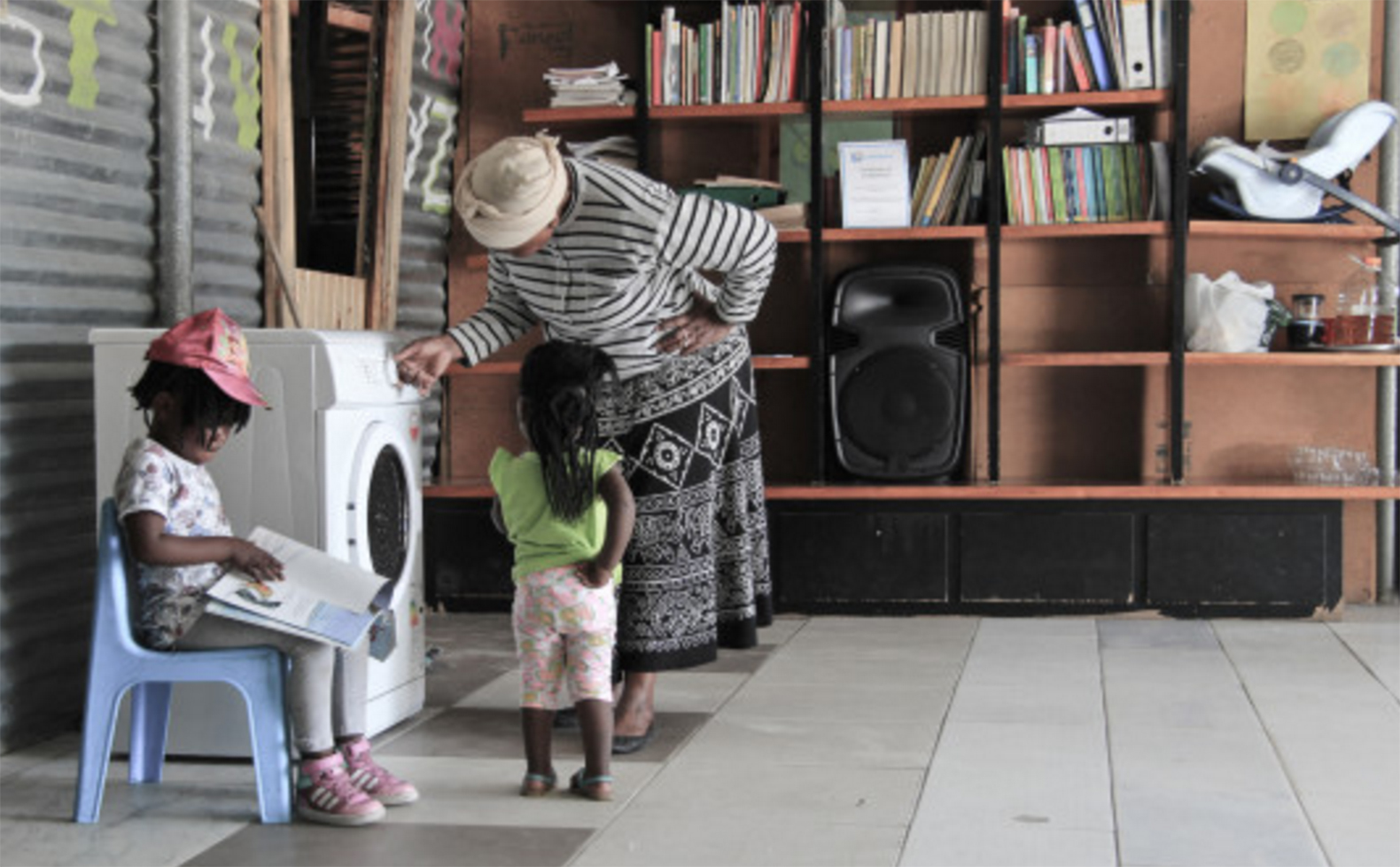
Stories have a way of working their way into becoming a part of one’s mental furniture and creating cultural landscapes that stay forever. A wonderful example to ensure stories continue to be shared is the “Libromat” in South Africa bringing together laundry and reading established by social entrepreneurs from Oxford University.  ( http://www.libromat.com/ )Inspired by a study that said dialogic book-sharing is an interactive form of shared reading (http://1.usa.gov/1MVTK7E), an early childhood development centre in Khayelitsha was outfitted with washers and dryers, and the women were trained to read with their children. libromat-inhabitots

( Note: Images used on this page are off the Internet. I do not own the copyright to them.)

15 November 2015 

Literati – Kids and reading ( 1 February 2015)

Jaya Bhattacharji RoseMy monthly column, Literati, in the Hindu Literary Review was published online ( 31 January 2015) and will be in print ( 1 February 2015). Here is the url http://www.thehindu.com/books/literary-review/literati-a-look-at-the-world-of-books-publishing-and-writers/article6842119.ece. I am also c&p the text below. )

One day a mother asked me how she could get her sons to read. I wondered if the children were off picture and pop-up books too. The mother said, “They are too old for pop-up books! They are in kindergarten.”

In January, Scholastic Inc. published Kids & Family Reading Report (Fifth edition) based on a survey conducted in the US.., but some of the results are valid worldwide. Reading out aloud to children regularly kindles an interest in books, unleashes their imagination, makes them curious and introduces them to a variety of cultural indicators. Children aged six and above began to show signs of easing away from reading for pleasure. A possible reason is that adults want the children to be “independent readers” and so stop reading out aloud. Eighty-three per cent of children across age groups say they love(d) or like(d) being read to a lot — the main reason being it was a special time with parents. With an older age group of children (ages 12-17) who are frequent readers, it was noticed that they read a book of choice independently in school, relied upon e-reading experiences, had access to a large home library, were aware of their reading level and had parents involved in their reading habits.

Ninety-one percent of children aged 6-17 say, “my favourite books are the ones that I have picked out myself.” The majority of kids aged 6-17 (70 per cent) say they want books that “make me laugh.” Kids also want books that “let me use my imagination” (54 per cent), “tell a made-up story” (48 per cent), “have characters I wish I could be like because they’re smart, strong or brave” (43 per cent), “teach me something new” (43 per cent) and “have a mystery or a problem to solve” (41 per cent). While the percentage of children who have read an e-book has increased across all age groups since 2010 (25 vs. 61 per cent), the majority of children who have read an e-book say most of the books they read are in print (77 per cent). Nearly two-thirds of children (65 per cent) — up from 2012 (60 per cent) — agree that they’ll always want to read books in print even though there are e-books available. Heartening news for publishers!

At Digital Book World Conference 2015 (January 13-15, 2015), New York, Linda Zecher, CEO, Houghton Mifflin, said, “You can’t serve content to children, you have to curate.” Mixing a variety of books for younger readers is important — picture books, pop-up books or even explosive pop-up books and poetry. Sudeshna Shome Ghosh, Editorial Director, Red Turtle, says, “With simple words that may have repetitions or rhymes and pictures, these books are easy to reread and even remember by heart. Even as a child grows older, trickier concepts are easier introduced through picture books (where do babies come from, how people/things are same and different, concepts of diversity, human emotions etc.)”. Imprints that specialise in graded reading are Puffin India, Hole Books/Duckbill Books, Read it yourself with Ladybird, Banana Storybooks/Egmont Publishing, Usborne Young reading, Let’s read!/Macmillan, I Can Read!/Harper, Step into Reading/Random House, and Scholastic Reader.

In India, children are fortunate to be exposed to a multi-lingual environment. It is not always easy to locate a single publishing list that will whet all appetites. Instead it has to be “curated” from the moment infants are given cloth and board books and flash cards. Some books for all ages that “work” splendidly are the late Bindia Thapar’s Ka Se Kapade Kaise (Tulika Books); Anushka Ravishankar, Sirish Rao and Durga Bai’s One, Two, Three! (Tara Books), Devdutt Pattanaik’s Pashu: Animal Tales from the Hindu Mythology, Puffin Books; H.S. Raza’s Bindu with Ritu Khoda and Vanita Pai (Scholastic India); What a song! A Bundelkhandi Folk Tale (Eklavya Publication); Rabindranath Tagore’s Clouds and Waves (Katha); Ruskin Bond’s Tigers for Dinner: Tall Tales (Red Turtle) and Nury Vittachi’s The Day it Rained Letters (Hachette India).

As adults we like books that have “pictures”. Few like to admit to the truth. So we disguise it with our preference for heavily illustrated books, photo books, coffee table books and to some extent graphic novels. So why is it with our children we are in a hurry for them to read books that border on the “educational”?

31 January 2015

Hybrid books

Hybrid books

Hachette Indiapedia

School textbook market is the bread and butter of many publishing businesses. If a book get adopted by a school board or a bunch of schools, then the title has an assured market for many years to come. It is a market that is not easily broken into. It has a cycle of publishing that is very different to trade publishing–it is a specialist market. Most importantly, the content being created needs to be vetted or written by specialists. Yet of late trade publishers, at least in India, have been making attempts to step into the school textbook market by creating books I would like to term as “hybrid books” — books that somewhat fit on the lists of a trade publisher but with the hope of being adopted by the school market.

The three examples of recently published books that I wish to discuss are — Indiapedia: The All India FactfinderHachette: School Handbook, and India:A to Z. These are a cross between easy reference books for school students and encyclopaedic in their content, with a bit of trivia thrown in, suitable for young quizzers. Save for India:A to Z written by Veena Seshadri and Vidya Mani, the other two books seem to have been put together by a content creator or a team.  For instance Indiapedialists Christmas as one of the top 10 festivals in India ( all though it does not include Christianity as one of the religions in India). The entry on p.187 is:

The celebration of the birth of Jesus Christ is carried out with great pomp and fervour in India. Christians and non-Christians alike attend Mass in churches and partake of Christmas cake. Midnight Mass at St. Paul’s Church in Kolkata is a favourite spot for tourists to attend at this time. Christmas trees are decorated and hymns are sung–this is perhaps one of the most favourable reminders of the British Rule in India. 

It is a rewriting of history. It is not  a legacy of British Rule in India. For the record, Christianity has been practised in India for as long as the religion has been around — 2000 years.Hachette School Handbook

India A To Z, An Alphabetical Tour Of Incredible IndiaEven in India:A to Z the reference on p.43 to the “Fab things freedom fighters did!”, to only focus on the events of 1857, referring to it as a “revolt” or mentioning Veer Savarkar’s book terming the “The Indian War of Independence” needs to be reviewed. Historians prefer to refer to it as “Uprising”, taking into account all perspectives.

This is careless writing and irresponsible publishing. All three books mentioned here need to be vetted by educationists and academics for the information that they include. If these hybrid books get the stamp of approval from specialists, the chances of these books being adopted by schools and selling well, will increase substantially. A point to be considered rather than releasing mediocre books that in all likelihood will sink.


Hachette School Handbook Hachette India, Delhi, 2013. Pb. pp. 250 Rs. 195

Veena Seshadri and Vidya Mani India: A to Z An Alphabetical Tour of Incredible India Puffin Books, New Delhi, 2013. Pb. pp. 160. Rs. 325

Hachette Indiapedia: The All-India Factfinder Hachette India, New Delhi, 2013. Pb. pp. 250. Rs. 175


Web Analytics Made Easy -
StatCounter