Rudrangshu Mukherjee Posts

“Song of India: A Study of the National Anthem” by Rudrangshu Mukherjee

The rousing chords and stirring message of ‘Jana Gana Mana’ are familiar to every Indian citizen. The song defines with clarity India’s most cherished values. Composed by Nobel laureate Rabindranath Tagore, it celebrates the unity in our diverse and plural society, praises the beauty of our mountains, rivers, and seas, and honours our civilizational values. In this insightful study, scholar and historian Rudrangshu Mukherjee traces its origins (showing us what its creator had in mind when he composed the song), explains how and why it was chosen over other contenders, examines the occasional controversies that have surrounded it, and reminds us about the truths that underlie it. The national anthem is visionary. It recognizes and salutes everything that is brave, noble, and unique about our country. It also contains within it a promise and a pledge to uphold our lofty ideals and traditions. Citizens, and especially our elected representatives, should understand that every time they stand up in respect when ‘Jana Gana Mana’ is played or sung, it is their responsibility to fulfil the promise and honour the pledge.

Read an excerpt from the book on Moneycontrol. It is published by Aleph Book Company.

Rudrangshu Mukherjee is Chancellor and Professor of History at Ashoka University, of which he was the founding Vice Chancellor. He was educated at Calcutta Boys’ School, Presidency College, Calcutta, JNU, and St Edmund Hall, Oxford. He was awarded a DPhil in Modern History by the University of Oxford. He has taught in the department of history, Calcutta University, and held visiting appointments at Princeton University, Manchester University, and the University of California, Santa Cruz. From 1993 to 2014, he was the Editor, Editorial Pages, The Telegraph. He is the author of many books—these include Nehru & Bose: Parallel Lives; Awadh in Revolt 1857–58: A Study of Popular Resistance; Spectre of Violence: The Massacres in Kanpur in 1857; The Year of Blood: Essays on 1857; Dateline 1857: Revolt against the Raj. His recent books include A Begum and A Rani: Hazrat Mahal and Lakshmibai in 1857; Tagore and Gandhi: Walking Alone, Walking Together, which won the Valley of Words Award 2022, non-fiction; and Twilight Falls on Liberalism. He is the editor of Great Speeches of Modern India and The Penguin Gandhi Reader, and the co-author (with Shobita Punja and Toby Sinclair) of A New History of India: From Its Origins to the Twenty-First Century.

15 August 2025

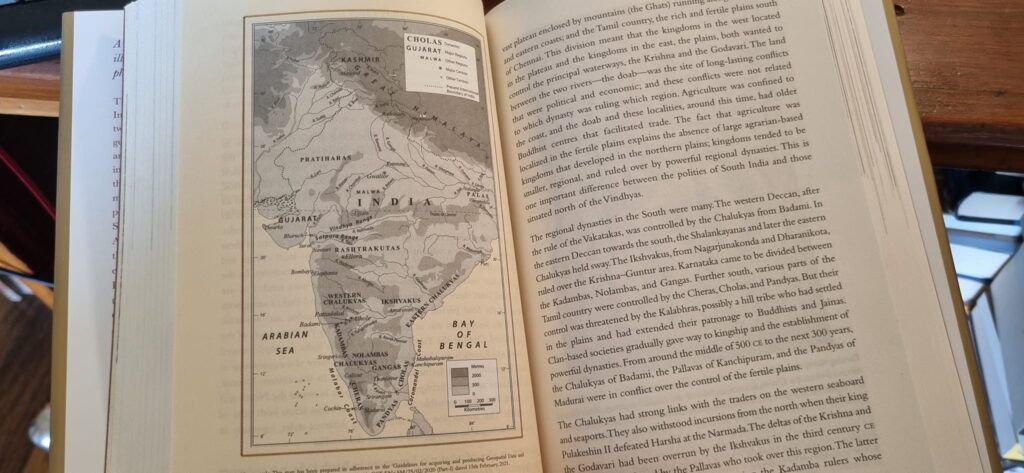
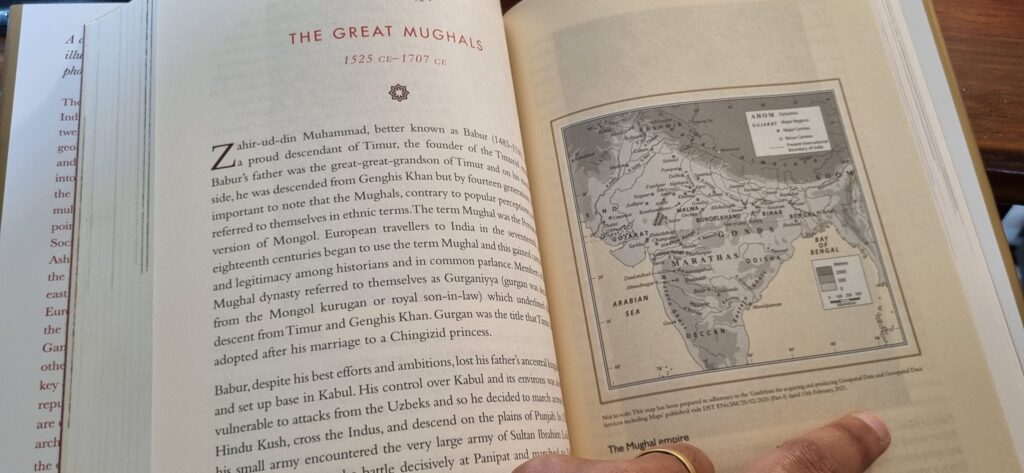
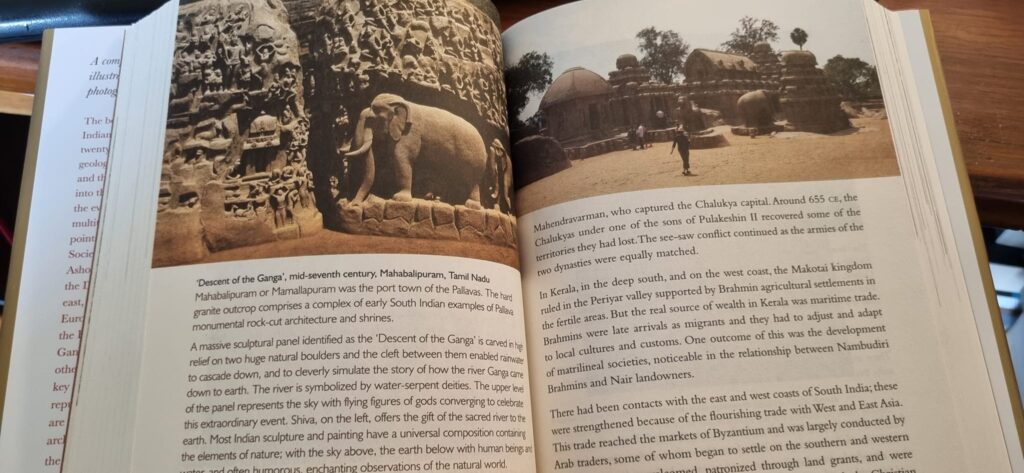
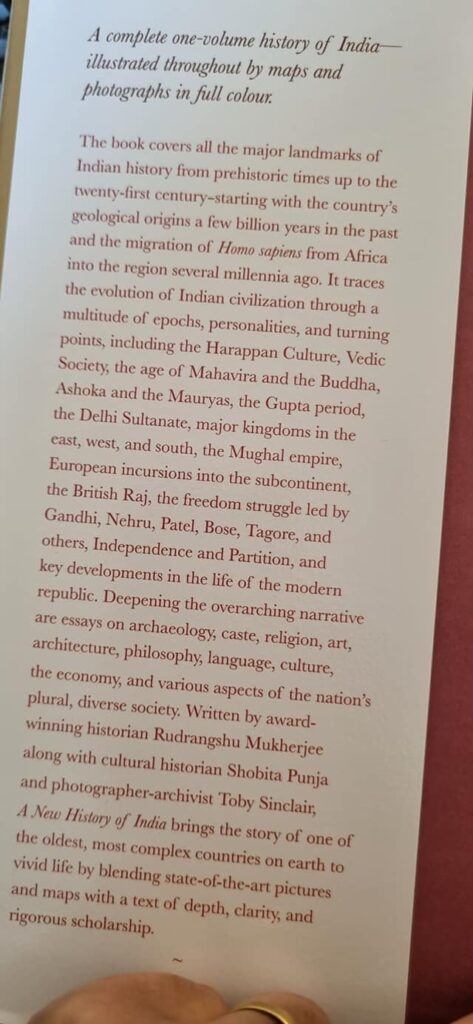
“A New History of India: From its origins to the twenty-first century” by Rudrangshu Mukherjee, Shobhita Punj and Toby Sinclair
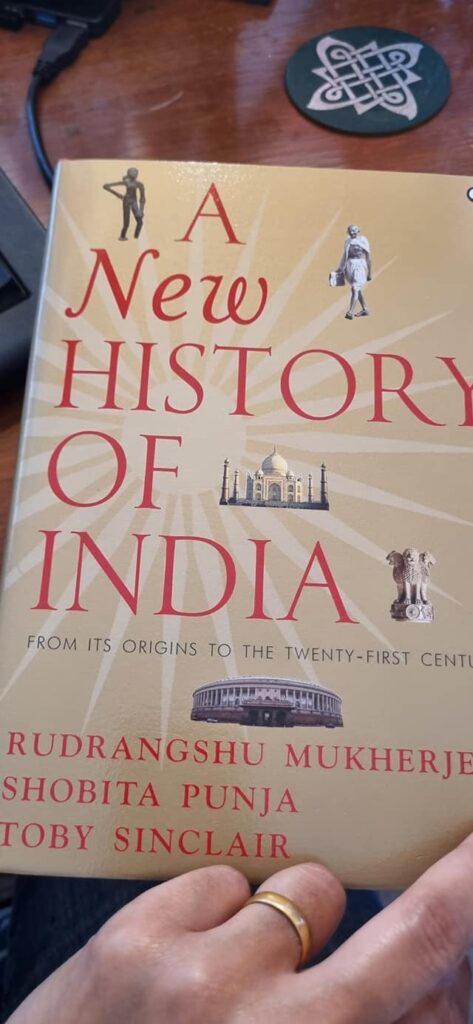
. “A New History of India: From its origins to the twenty-first century” by noted historians Rudrangshu Mukherjee, Shobhita Punj and Toby Sinclair, published by Aleph Book Company .

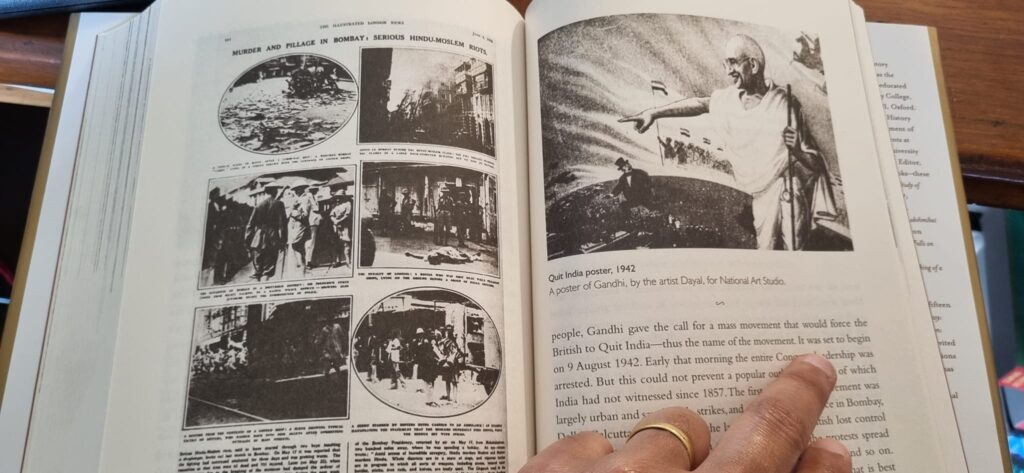
A single-volume history of India such as this is sorely required. It is also beautifully illustrated with photographs and maps. History books on the trade list sell exceedingly well. These books access different communities of readers. But “A New History of India” will work tremendously well for ordinary readers, supplementary reader in middle and senior schools, prescribed text for schools that are not using state published textbooks or are affiliated to the NCERT or SCERT school boards, job aspirants taking various competitive exams including the Holy Grail — to join the hallowed portals of Indian bureaucracy, and many more. As a hardback, proced at Rs 999, it is a tad too expensive for many of the aforementioned readers but if a low-priced paperback, albeit published on poorer quality paper, this edition will sell like hot cakes. It also needs to be available in Indian languages. It will have a much larger reach. It is critical that it is made available since more than 50% of the Indian population is below the age of 25 and more than 65% is below the age of 35. This time period coincides with an astonishing lack of history about India’s history. This is exactly the lack of ignorance of the youth that is being preyed upon by Machiavellian individuals for their immediate political gains. It is a very worrying trend. Hence, books like this that are easy to consult and provide clear snapshots of our magnificent history are very welcome.
12 Feb 2023

Book Post 28: 18 February – 2 March 2019

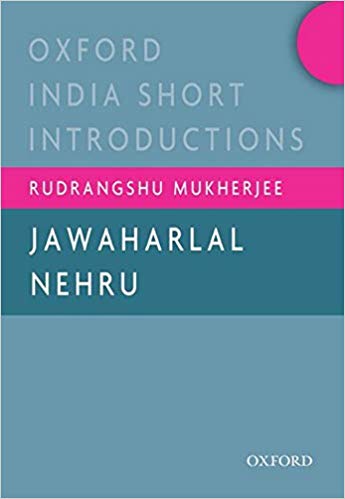
At the beginning of the week I post some of the books I have received recently. In today’s Book Post 28 included are some of the titles I have received in the past few weeks. 

3 March 2019

Web Analytics Made Easy -
StatCounter