
T.M. Krishna Posts

“The Call of Music: 8 Stories of Hindustani Musicians” by Priya Purushothaman

The Call of Music: 8 Stories of Hindustani Musicians ( Hachette India) is gorgeous. It is accessible to even the non-Indian classical music listener. More importantly, the sensitivity, understanding, and empathy with which Priya Purushothaman is stunning. Her elegant writing is gracious and dignified as she profiles a fellow musician. She is right when she says in her introduction that it is critical for the younger musicians to be profiled as well. Here is an extract from the introduction:

During the pandemic, when the transiency of life took on an entirely new dimension, I felt an urgent need to document the inner stories of serious practitioners of music, some of whom are not in the limelight. If you’re part of the music world, chances are that you’ve heard such stories through fellowmusicians, perpetuating the casula culture of sharing oral histories that blur the boundaries between rumour, legend, and fact. I wondered about all the stories I wouldn’t get to hear or read, out of sheer lack of access or documentation. This compelled me to seek these individuals and see if they would give me the privilege of sharing a slice of their lives, coming together as something akin to an ethnographic survey of select Hindustani musicians in the twenty-first century.

Normally, such collections would only feature senior artistes, senior by age, that is. I chose to include a spectrum of ages in this collection. Though the culture of Hindustani music glorifies age as a virtue — and certainly age often comes with wisdom and experience — I have also felt that this confines younger musicians to a permanent place of inadequacy. What a young artiste may lack in experience, they may compensate for in freshness of perspective. It is also not always the case that young artistes lack experience, because many musicians begin training at a very young age. By their thirties, they have been in the business for decades. I believe there is much value in hearing the thoughts of younger generation performers — to inspire other youngsters who may be looking up to them, and also to acknowledge that wisdom is not a function of time but of depth of experience and capacity for reflection.

The first musician featured, Alam Khan, reminds of an old soul trapped in a young man’s body. He is wise beyond his years, having immersed full time in this world since his teenage years. He carries the legacy of his father, Ustad Ali Akbar Khan, with tremendous humility, reverence, and responsibility. His deep commitment to musical honesty made me ponder the question of intention and awareness as we make music.

Shubhada Paradkar is an indomitable musical spirit whose music negotiates the lively spirit of the Agra and Gwalior gharanas, while challenging the notions of gender in music.

Kala Ramnath’s journey to becoming a world renowned violinist is filled with a lifetime of consistent effort and a quest for a unique, individual voice by innovating on an instrument that was introduced quite late into the Hindustani music firmament.

Rumi Harish turns all conventions of Hindustani msuci upside down with his radical interrogation of concepts of gender and voice through his lived truths in music and activism.

The youngest musician in this collection is Suhail Yusuf Khan, a sarangi player who has performed around the globe, collaborated across genres, and become the first hereditary musician to earn a PhD in Ethnomusicology. Suhail opened my eyes to issues of caste and discrimination as a Mirasi musician.

Shubha Joshi has dedicated her lifetime to mastering the multitude of forms that comprise Hindustani music, deconstructing notions of the feminine voice while intentionally carving her own unique sound.

Yogesh Samsi speaks a complex language of tabla that has evolved through momentous historical moments of both loss and ingenuity. As a master soloist and accompanist, he shows the path to a future of aesthetic and intellectual music.

It is my hope that those who take the time to read his book will gain an insider’s view into the creative processes of music making — the gruelling effort, dedicatio, and sacrifice that make a musician — as well as the undeniable presence of social issues in the world of classical music. Often, musicians choose their path not out of choice, but from a persistent inner call, a driving necessity for their existence. Perhaps after reading these stories, you, the reader, will appreciate the complex life of a musician the next time you hear a piece of music or attend a concert.

I began flipping through this book on a whim, but before I knew what was what, I was immersed in reading the profiles and was able to shut out the world. It is the rare author who can achieve that with their writing. Priya Purushothaman does. The ability to write about a subject that not everyone is familiar with and yet with such elegance create bridges of communication between Hindustani music and the readers is an extraordinary talent. I sincerely hope that she will write more of these long profiles. These must be taxing to write and emotionally draining but the end result is superb.

Book blurb

The Call of Music traces the journeys of eight singular voices in Hindustani music – some acclaimed performers, others quiet torchbearers who create, teach and sustain the tradition far from the public eye. From the narrow lanes of Kashipur to the sweeping hills of San Rafael, these artists emerge from vastly different worlds, yet each has devoted their life to music with unflinching conviction and artistic courage.

Among them are the heirs of musical legacies, grappling with the weight of inheritance; vocalists who challenge gendered assumptions embedded in the tradition; instrumentalists who reimagine the expressive possibilities of their craft; a sarangi player navigating the complexities of caste and faith; and a tabla maestro bridging a lineage ruptured by Partition.

As these musicians forge their identities within a classical tradition, they reveal an artform not only enduring, but continually transforming – connecting generations, reshaping boundaries and resonating anew. What binds them is a profound surrender to the art, a deep-seated devotion that transcends convention and circumstance. Together, they form a luminous, emotionally textured portrait of a musical legacy – rooted and radically alive.

‘This is a rich and beautiful meditation on the greatest of our art forms. Herself an exceptionally gifted vocalist, Priya Purushothaman writes with elegance and empathy about the life and vocation of eight musicians of different backgrounds, whom she has known or studied with. While attentive to questions of caste, gender and religion, Priya never lets her focus waver from the “practice“ of classical music, of what it means to devote oneself to learning, listening, absorbing, practising and performing. As a lover of our shastriya sangeet I found this book utterly compelling. So will readers with a more general interest in narrative non-fiction, and those seeking to make of their profession a calling.’ – Ramachandra Guha

‘Introducing readers to the lives, personalities, strengths, challenges, and music of eight artists who have inspired her over the years, Priya Purushothaman’s writing reflects in totality the rigour and introspection that has marked her journey as a singer.’ – Shubha Mudgal

‘The Call of Music is one of those rare books that forces us to see ourselves for who we are. In this collection of stories, Priya Purushothaman allows us to accompany musicians and learn from the intricate threads that stitch together their identity and life experience with making music. She brings together musicians from very different social and philosophical spaces and lets each of their stories flow into another, subtly initiating a conversation between them. This book is, in its essence, about finding and retaining one’s own voice. For us, the readers, these are moments of personal reflection.’ – T.M. Krishna

Priya Purushothaman is a reputed Hindustani vocalist. She is trained in the style of the Agra gharana, and has performed in major venues in India and abroad. She is also the author of Living Music: Conversations with Pandit Dinkar Kaikini. Priya is interested in documenting stories of musicians and their creative processes from her perspective as a practitioner. Her music can be heard at www.priyapurushothaman.com.

20 Sept 2025

Fostering a reading culture / Happy Mother’s Day!
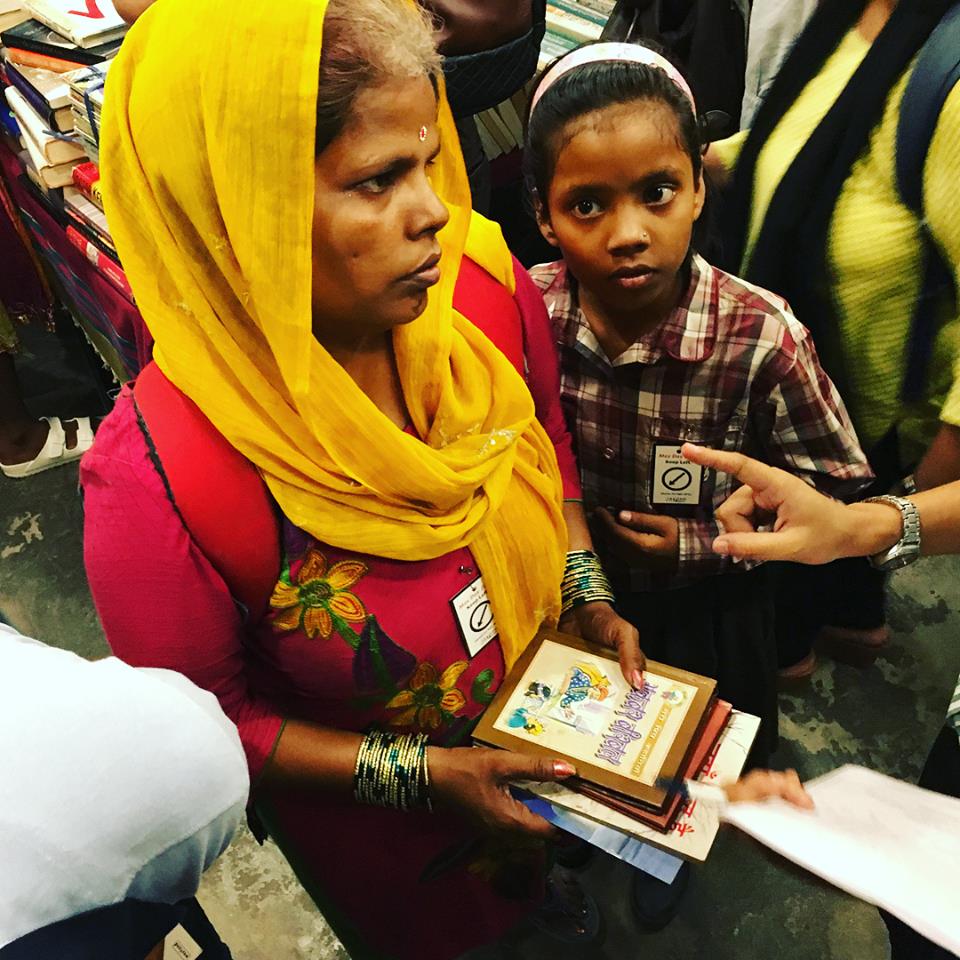
(C) Sudhanva Deshpande

(An extended version of this article was published on Bibliobibuli, my blog on Times of India, on Saturday 12 May 2018. Bibliobibuli focuses on publishing and literature.) 

Every Labour Day, the May Day Bookstore & Café holds a big book sale. It consists mostly of second-hand books being sold at reasonable prices and customers flock to the store. This year was no different. Later Sudhanva Deshpande, Managing Editor, LeftWord Books, posted a picture on social media platforms he had taken of a mother holding a tiny pile of books while her daughter stood by watching expectantly. It is a very powerful picture as it works at multiple levels. It is obvious the mother is in charge of her daughter’s education and is keen she learns further. She is the primary force. She is determined to buy the books for her child even though she can ill-afford the small number of books in her hand. The mother had only Rs 10 to pay for the books. She was short of money and unable to pay the billed amount. The unfortunate seemingly admonishing finger in the picture is not really doing what it seems to be doing according to the photographer. The bookshop attendants were telling the mother to take the books away and pay later, whenever she could!

(C) Mayank Austen Soofi

Books are respected all over the world but in India they are revered. Few can afford them and those who can, treasure what they possess. This picture by The Delhi Walla, epitomises it splendidly where the few books owned by the security guard are placed on the same shelf as the portrait of the god. It is understandable that the mother in the picture wishes her daughter to be literate as with it comes respect. For her to be in a bookstore is a path breaking moment. It symbolises the crumbling of a notional barrier of what is traditionally perceived as a popular middle class cultural space — the bookstore. Brick and mortar stores by their very definition tend to be exclusive even if some owners do not desire it to be so. Whereas the reality is that footfalls are restricted to those who are comfortable in these elitist spaces.

This is a sad truth because a thriving reading culture is critical for the well-being of a community and by extension the society. The Scholastic India Kids and Family Reading Report ( KFRR) found that “Parents and children agree by a wide margin that

John Travolta’s house with the airplane parked in it. (Image taken off the internet)

strong reading skills are among the most important skills children should have.” Undoubtedly reading opens a world of possibilities. When Hollywood actor John Travolta gave an interview to magazine editor Priya Kumari Rana ( Outlook Splurge, November 2015, Vol 6) he recalled reading Gordon’s Jet Flight (1961) as a child. It was about a little boy who took his first flight on a 707. At the time the 707 was the last word in aviation. It triggered an ambition and a dream. Today, Travolta not only is a trained pilot but owns a 707!

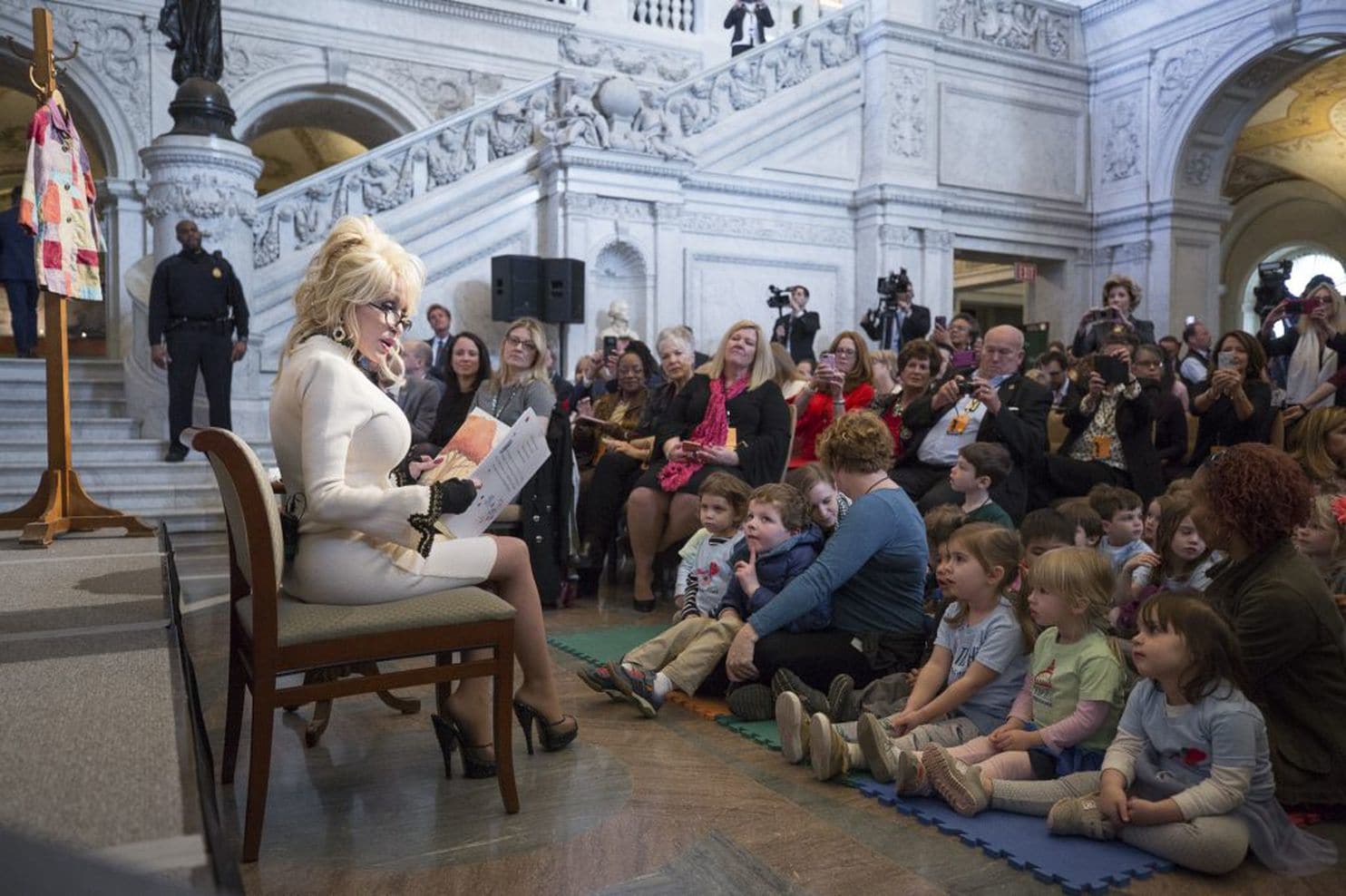
Buying books continues to be a dream for many individuals and families across the globe. American country singer Dolly Parton likes to give away books with her Imagination Library. In Feb 2018 she crossed the 100 millionth book. Writer Jojo Myes has pledged to save UK Charity Quick Reads ( Reading Agency ) from closure by funding its adult literacy programme for the next three years. Outreach community programmes are critical for fostering a reading culture particularly if access to existing cultural spaces are restricted.
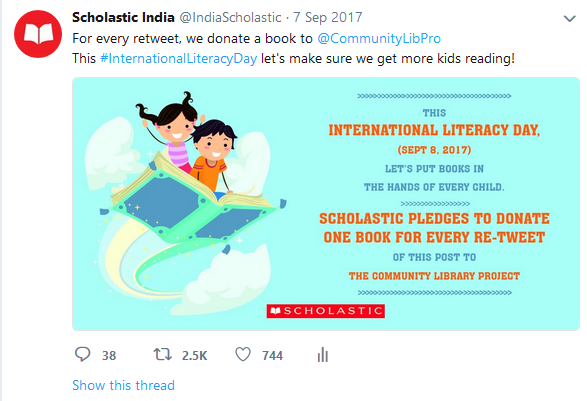
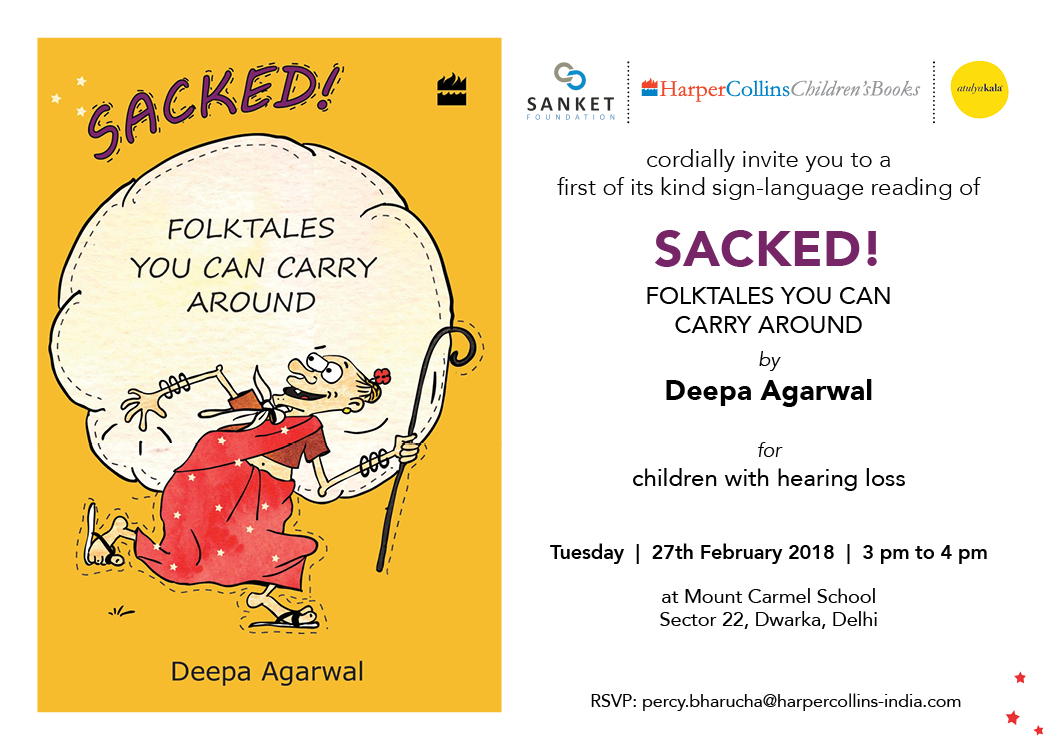
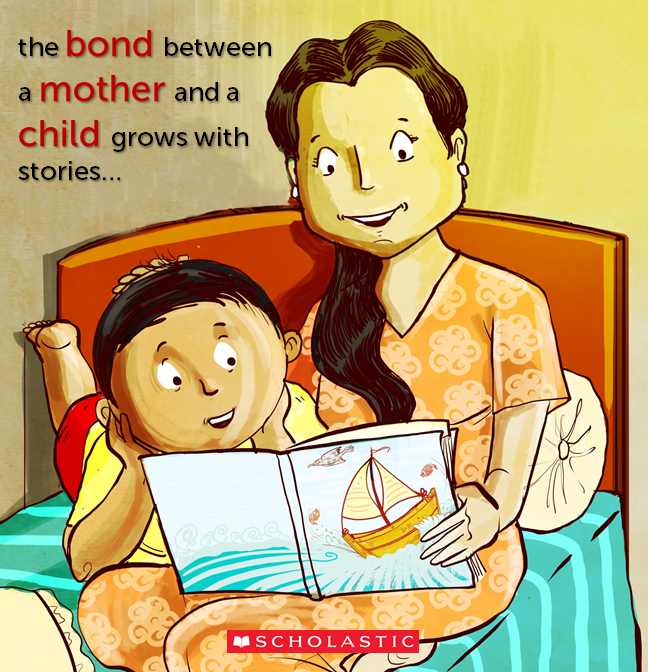
Recently HarperCollins India organised an innovative book launch for children’s author Deepa Agarwal’s Sacked:Folktales You Can Carry Around. It involved a reading for children with hearing loss. So  while the author spoke there was a person standing next to her using sign language to translate what was being said. Recognising this need to foster reading, the nearly 100-year-old firm Scholastic  ran a very successful Twitter campaign in India (Sept 2017) where every retweet ensured a book donation to a community library. The publishing firm donated approximately 2000 books. Now they are running a similar campaign for Mother’s Day 2018 (Sunday, 13 May 2018) where a picture uploaded of a mother and a child reading will get one lucky family a book hamper.
Reading is a social activity. New readers need role models and encouragement. This is captured beautifully in feminist Kamla Bhasin’s nursery rhyme ( available in Hindi and English).

It’s Sunday, it’s Sunday

Holiday and fun day.


No mad rush to get to school

No timetable, no strict rule.

Mother’s home and so is father

All of us are here together.
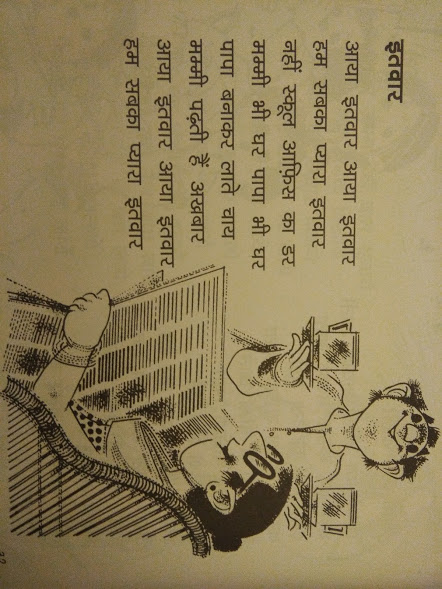
 

Father’s like a busy bee

Making us hot cups of tea.

Mother sits and reads the news

Now and then she gives her views.


It’s Sunday, it’s Sunday

Holiday and fun day.
Kamla Bhasin, “It’s Sunday”

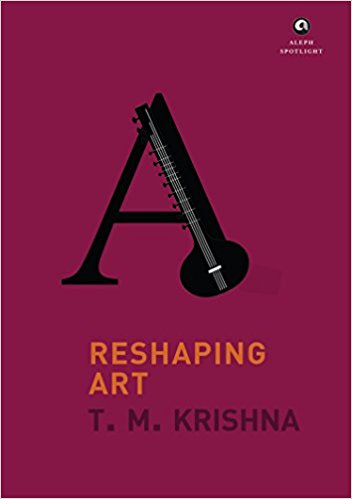
Noted Karnatik vocalist T. M Krishna in his book Reshaping Art makes an important point where he argues art has to break its casteist, classist and gender barriers and be welcoming to all particularly if cultural landscape has to expand. He asks for the inner workings of the art form to be infused with social and aesthetic sensitivity.

T. M. Krishna practices what he preaches. In December 2017 he sang a Tamil sufi song of Nagoor Hanifa which T.M. Krishna performed in a British-era Afghan Church in Colaba, Mumbai. He ended his performance with an invocation to allah in the church. Since then he has done other such performances.

Breaking cultural barriers and making books readily accessible and contributing to the growth of readers is exactly what the publishing ecosystem has to strive for. And as Kamla Bhasin rightly says the personal is political. There is nothing purely private or public. Every personal act of ours affects society. The act of reading and encouraging their children to read by mothers is not always welcomed in households, even today. Literacy empowers women with ideas, the ability to think and question for themselves, an act that is most often seen as defiance especially within very strongly patriarchal families. This act was captured beautifully in a wordless poster designed many years ago by a Hyderabad-based NGO, Asmita. It shows a woman with her feet up, reading a book, a television set in front of her and the floor littered with open books. Majority of women who see the poster laugh with happiness at the image for the peace it radiates but also at the impossibility of ever having such a situation at home.

So mothers like the one in the photograph are excellent role models and must be celebrated!

Happy Mother’s Day!

11 May 2018 

HarperCollins India celebrates 25 years of publishing with special editions of 25 of its most iconic books

HarperCollins India celebrates 25 years of publishing with special editions of 25 of its most iconic books

HarperCollins Publishers India, which began its journey in 1992 with twenty books that year and a team consisting of just a handful of people, has come a long way. Twenty-five years later, HarperCollins India boasts a list of over 180 new books a year in every genre possible, be it literary and commercial fiction, general and commercial non-fiction, translations, poetry, children’s books or Hindi.

2017 marks the silver jubilee year of HarperCollins India. To celebrate its 25th anniversary, HarperCollins India is bringing out special editions of 25 of its most iconic books, calling it the Harper 25 Series, which will be available for a limited time.

HarperCollins India’s Publisher – Literary, Udayan Mitra, says, ‘Publishing is all about the love for reading, and in the 25 years that we have been in India, we have published books that have been read with joy, talked about, debated over, and then read once again; between them, they have also won virtually every literary award there is to win. The Harper 25 series gives us the chance to revisit some of these wonderful books.’

HarperCollins India’s art director, Bonita Vaz-Shimray, who conceptualized the design for the Harper 25 series, says, ‘The series is a celebration of the HarperCollins brand – its identity and colours – the iconic Harper red and blue have been interpreted in water colour media by Berlin-based Indian artist Allen Shaw. Each cover illustration is a story in itself – a story that’s open-ended, a story that sets the mood for what’s going to come, a story that starts taking definite shape only after the reader has finished reading the book.’

The entire Harper 25 series is now available at a bookstore near you. The books in the series include:

Akshaya Mukul Gita Press and the Making of Hindu India
Amitav Ghosh The Hungry Tide
Anita Nair Lessons in Forgetting
Anuja Chauhan Those Pricey Thakur Girls
A.P.J. Abdul Kalam Turning Points
Aravind Adiga The White Tiger
Arun Shourie Does He Know a Mother’s Heart?
A.S. Dulat with Aditya Sinha Kashmir the Vajpayee Years
B.K.S. Iyengar Light on Yoga
H.M. Naqvi Home Boy
Jhumpa Lahiri Interpreter of Maladies
Karthika Nair Until the Lions
Kiran Nagarkar Cuckold
Krishna Sobti Zindaginama
Manu Joseph Serious Men
M.J. Akbar Tinderbox
Tarun J. Tejpal The Story of My Assassins
Raghuram G. Rajan Fault Lines
Rana Dasgupta Tokyo Cancelled
Satyajit Ray Deep Focus
Siddhartha Mukherjee The Emperor of All Maladies
Surender Mohan Pathak Paisath Lakh ki Dacaiti
S. Hussain Zaidi Byculla to Bangkok
T.M. Krishna A Southern Music
Vivek Shanbhag Ghachar Ghochar

For more information, please write to Aman Arora, (Senior Brand and Marketing Manager) at aman.araora@HarperCollins-india.com

Web Analytics Made Easy -
StatCounter