Tamil Posts

Jaya’s newsletter 3 – 11 November 2016

( Please feel free to write with suggestions and comments: jayabhattacharjirose1 at gmail dot com )

Hello!

On 8 September 2016, the demonetization of Rs 500 and Rs 1000 was announced by the government of India. Newly designed currency, freshly minted with embedded chips will be brought into circulation. It is a move to counter black money in the country but it would be interesting to know how this impacts many of the publishers and booksellers in India, many of whom deal predominantly in cash. For now it is impossible to tell.

New Arrivals

  • Jorge Carrion Bookshops (MacLehose Press)
  • Cecilia Ahern Lyrebird ( HarperCollins India)
  • Jeff Kinney Diary of a Wimpy Kid: Double Down ( Puffin, PRH India)
  • Twinkle Khanna The Legend of Lakshmi Prasad ( Juggernaut)
  • Bina Shah A Season for Martyrs ( Speaking Tiger)
  • Ritu Menon Loitering with Intent ( Speaking Tiger)
  • T.J.S. George Askew ( Aleph)
  • Anthony Horowitz Magpie Murders ( Hachette)
  • Jeffrey Archer This was a Man ( Pan MacMillan India )

Jaya Recommends:

  • Rajelakshmy, a physicist by training who published these extraordinary “feminist” stories in the weeklyimg_20161111_102225 Mathrubhumi and monthly Mangalodayam. She committed suicide in 1965 but the stories and the incomplete novel have been compiled together for the first time as A Path and Many Shadows& Twelve Stories  (Translated from Malayalam by R.K. Jayasree, Orient Black Swan)
  • oddny-eirOddny Eir’s incredibly stunning Land of Love and Ruins.  It is a semi-autobiographical reflection on nature, literature, philosophy and commerce. Oddny Eir has also written songs for Bjork.  (Translated from the Icelandic by Philip Roughton, Restless Books)
  • Seirai Yuichi’s magnificent Ground Zero, Nagasaki : Short Stories . These22329531 chilling stories set in contemporary Nagasaki are about the  minority community of Japanese practising Catholicism and trying to survive the endless trauma of the atomic bomb. (Translated by Paul Warham. Columbia University Press)
  • Raina Telgemeier’s absorbingly brilliant graphic novel Ghosts. It is about ghostslittle Catrina who has cystic fibrosis and celebration of Dia de los Muertos or the Day of the Dead. It is to be released at the Comic Con, Bangalore. (Scholastic India)

Book Events

11 Nov: Sahitya Akademi symposium on Rajelakshmy at 5:30pm

11-13 Nov: Kathakar, Children’s Literature Festival, IGNCA New Delhi followed by 14 November at the IGNCA Bengaluru and on 17 November at the CSMVS, Mumbai

12-13 Nov: Comic Con, Bangalore

14 Nov: Simon & Schuster India will be celebrating 5 years in India (By invitation only)

15 Nov: Shauna Singh Baldwin will be in conversation with Amrita Bhalla to discuss the diasporic writings about shaunas-conversationSouth Asian life and culture and will also talk about and read from her latest book “Reluctant Rebellions”.

People & Jobs 

Rahul Dixit has been appointed Sales Director, HarperCollins India. He was earlier with PRH India.

gillon-aitken-and-v-s-naipaul

Gillon Aitken with V.S. Naipaul, Amer Fort, Jaipur. (C) Patrick French

A few days ago legendary literary agent, Gillon Aitken, passed away. Patrick French posted a short tribute on his Facebook page along with some marvellous photographs. Republished with permission.

A one-year vacancy of the books editor at The Caravan Magazine has been announced.

Prizes

  • The Order of the Rising Sun – Gold & Silver Ray, the highest civilian award by Imperial manorama-jaffa-2-japan-award manorama-jaffaMajesty of Japan, was conferred on Manorama Jaffa in recognition of her contribution to children’s writing in India. After Prof. Brij Tankha, Mrs. Jaffa is the second Indian to have been honoured.
  • SPARROW Literary Award 2016: The SPARROW panel of judges (N Sukumaran, Kannan Sundaram and Ambai) for SPARROW-R Thyagarajan Literary Award decided to choose the category of translation for award this year. Translations from one Indian language to another and direct translation from a foreign language (other than English) to Tamil were taken for consideration. The SPARROW-R Thyagarajan Literary Award 2016 will go to Kulachal S M Yoosuf for his translations from Malayalam to Tamil, Gowri Kirubanandan, for her translations from Telugu to Tamil and Sridharan Madhusudhanan for his translations from Chinese to Tamil.
  • French-Moroccan writer Leïla Slimani won the Goncourt, France’s top literary prize. The former journalist is only the seventh woman to have won the Goncourt in its 112-year history. The novel has been a best seller — more than 76,000 copies have been purchased so far.
  • Madeleine Thien’s Do Not Say We Have Nothing won the Giller Prize ( $100,000)
  • Lynne Kutsukake’s The Translation of Loves won the 2016 Canada-Japan Literary Award (English category). And Genevieve Blouin’s Hanaken: Le Sang des Samourais won in the French category.
  • orhan-pamukOrhan Pamuk won the 1million rouble (US$15,715) Russian Yasnaya Polyana Literary Prize, based at Leo Tolstoy’s estate. Pamuk’s novel A Strangeness in My Mind  translated into Russian in 2016, won in the “Foreign literature” nomination of the award, which aims to support both the traditions of classical literature and new trends in contemporary writing. ( http://bit.ly/2fnbDxT ) The Russian translator of Pamuk’s novel, Apollinaria Avrutina, receives a prize of 200,000 rubles (US$3,143). The Yasnaya Polyana Literary Prize was founded in 2003 by Samsung Electronics and the museum and estate of Leo Tolstoy in Tula. According to the jury chairman Vladimir Tolstoy, Leo Tolstoy’s great grandson and cultural advisor to the Russian president, the award is meant to help readers find their way in the world of Russia’s literature and international contemporary books—a universal reply to the question “What to read?”

Meanwhile PEN America has released a revised version of its modified contract for literary translations . It is worth looking at.

Miscellaneous

walking-bookfairsBookshops: In Lucknow the iconic Ram Advani’s bookshop closed down on Sunday, 6 November 2016 as there was no one left to run it after his death. But there was good news with the resurrection of Walking Bookfairs, Bhubaneswar, Odisha. After the book shack was demolished the founders Satabdi Mishra and Bahibala Akshaya built a new bookstore saying “Bookstores around the world are closing down. And we are opening a new one. Because we are madly in love with books and bookstores. Long live bookstores!”

reemLondon-based publisher, Reem Makhoul, of Ossass gave a tremendous interview to Marcia Lynx Qualey, ArabLit on children’s literature where Reem says they wanted to give the children what they are familiar with, so began creating beautiful books in colloquial Arabic.  Amazon too seeing the potential of a reading habit has launched an app for children – Amazon Rapids Recently the Financial Times listed a series of smartphone reading apps or a mobile library such as The Pigeonhole, Alexi and Oolipo.

11 Nov 2016 

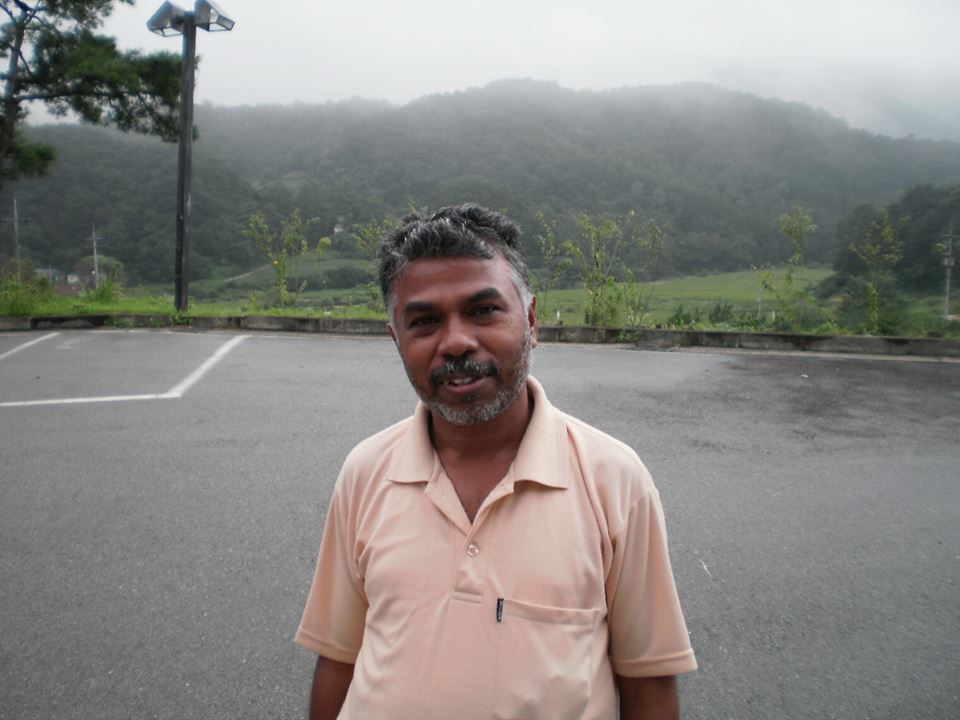
Freedom of Expression: Perumal Murugan, 5 July 2016

13606815_10154242058030279_2274827106389531026_nOn 5 July 2016 a landmark judgment was passed by the Madras High Court quashing the criminal case against Tamil writer Perumal Muruganor for allegedly offending religious sentiments with his writings on caste. According to Scroll (http://bit.ly/29hWGdC) :

The author, who is known for his sharp commentary on caste, was 13592615_1294572783886991_324027490996198510_nfacing an onslaught from religious and caste groups who said he had hurt their sentiments.

The Madras High Court on Tuesday quashed a criminal case against Tamil writer Perumal Murugan. …They also dismissed a plea moved by residents of his native town, Thiruchengode, to initiate criminal 13612276_1294572820553654_2532322020494602524_nproceedings against him.

The case was filed shortly after Murugan published Mathorubagan, a story about a childless couple in rural Tamil Nadu being pushed by their families to fall back on an ancient chariot festival in the temple of the half-female god Ardhanareeswara. Here, on the night of the festival, the union between any man and woman is permitted.

The book, which was translated into English as One Part Woman, published by Penguin India.
In response, the local administration organised a peace meet presided over by a district revenue official, where he had to agree to withdraw all copies of his book. However, on Tuesday, the Bench of Chief Justice SK Kaul and Justice Puspha Sathyanarayana held that the settlement arrived at during the peace-keeping meet would not be binding on the author.

Shortly after this meeting with the district authorities, Murugan announced on Facebook would stop writing. “Author Perumal Murugan is dead. He is no God. Hence, he will not resurrect. Hereafter, only P Murugan, a teacher, will live,” he had posted.

His books were then quietly removed from bookshops. Only the English translations of two of his more recent books – Pyre (published in Tamil as Pookkuzhi in 2013) and One Part Woman – are available. Two older books, Current Show and Seasons Of The Palm, are out of print and almost impossible to find. His Tamil books are entirely unavailable.

13590270_1294572853886984_5463788870472689861_nAn excerpt from the Madras high court judgement on Perumal Murugan :

The author Prof. Perumal Murugan should not be under fear. He should be able to write and advance the canvass of his writings. His writings would be a literary contribution, even if there were others who may differ with the material and style of his expression. The answer cannot be that it was his own decision to call himself dead as a writer. It was not a free decision, but a result of a situation which was created. …..”

“Let the author be resurrected for what he is best at, to write”.

Here is the complete judgment:

http://www.thehindu.com/multimedia/archive/02921/Perumal_Murugan_ca_2921087a.pdf13600254_1294572803886989_5785590099380635754_n

English translation of the new statement issued by Perumal Murugan, posted on Facebook by Kannan Sundaram, Publisher, Kalachuvadu Publications ( 6 July 2016). This statement has been translated by Aniruddhan Vasudevan and the poem by Perundevi Srinivasan:

The judgment gives me much happiness. It comforts a heart that was in a fuming withdrawal. I am trying to prop myself up holding on to the light of the last lines of the judgment: “Let the author be resurrected to what he is best at. Write.” I will get up. It is just that my mind wishes to spend a little time in the joy of this moment. My thanks to friends who stood by me. My thanks also to friends who stood against me.
The Flower
A flower blooms
after the big bang
Sharp fragrance
Sweet countenance
Shining Splendor
The flower would
take up and establish
everything.

6 July 2016

Perumal Murugan “Pyre”

“…if we start this festival here with this impurity in our midst, we might incur the wrath of Goddess Mariyatha.”

Kumaresan, who had stayed quiet until then, suddenly lost his patience. ‘ I have married her,’ he snapped, barely concealing his irritation in his voice. ‘What is it that you want me to do now?’

‘Look here, Mapillai. Until we know which caste the girl is from, we are going to excommunicate your family. We won’t take donations for the temple from you, and you will not be welcome at the temple during the festival.’

( p. 132- 34)

Award-winning writer Perumal Murugan shot to fame with his novel, One Part Woman, translated from Tamil into English. Unfortunately it was the sort of fame he could have done without since he was unnecessarily persecuted by lumpen elements that took offence at his novel. He was forced to publicly announce that he would no longer be writing. Yet there was one more novel – Pyre. A slim one revisiting his pet themes — male protagonists, social structures, caste, rituals and ordinary and believable people. Pyre is about Kumaresan who leaves his village in search of work where he falls in love and elopes to marry his beautiful neighbour. Alas this marriage is not welcomed in his village instead they are ostracised. Curiously enough Perumal Murugan never mentions the castes explicitly. There are enough indications in the book that the bride, Saroja, is a Dalit or the caste formerly referred to as “untouchables”. A sad practice that continues to be prevalent in India.

Pyre or Pookkuzhi was first published in Tamil by Kalachuvadu Publications. On my behalf Kannan Sundaram, publisher, Kalachuvadu asked Perumal Murugan if in the original text he had ever mentioned the castes. He confirmed he had never done it. The English translation by Aniruddhan Vasudevan by a brief introduction that dwells upon the novel being about caste and the resilient force it is, the unusual reliance of Perumal Murugan on direct speech, the difficulties of translating Tamil dialects used extensively in the story such as Kongu and  Aniruddhan Vasudevan’s own habit as a translator to first draft a “very idiomatic translation”. But once again there are no references to this being a story involving a Dalit girl. So I posed a few questions to the translator.

  1. How true is the English translation of Pyre to the original Tamil? The English translation of ‘Pookkuzhi’ is very true to the original — nothing has been changed or consciously re-interpreted.
  2. How did you work on the translation? Only with the text or did you keep asking Perumal Murugan for assistance? I worked on the translation over several months. It took a lot of time mainly because my graduate school work grew more demanding. I did a first draft, in which I tried to keep the translation as close to the Tamil syntax as possible. So, necessarily, that would read quite a bit awkward in English. Perumal Murugan was, at the time of translating Pookkuzhi, caught in the middle of the tyranny whipped up around Madhorubagan. So I wanted to give him his space and approached Thoedore Bhaskaran for help with questions about Kongu Tamil. He was most kind. But at the later stage, I was able to consult Perumal Murugan.
  3. Did the author “tweak” the text for the English translation? In the Tamil edition does Murugan mention any of the castes? The English translation does not mention any but it is obvious that the caste angle is the basis of the anger in the story. PM didn’t tweak the text for English translation. ‘Pookkuzhi,’ in the Tamil original, does not have explicit caste names or place names. There are some recognizable markers and cues, but it does not take names. The caste angle gets foregrounded without explicitly naming castes. Through conversations, through references to people’s faith in caste hierarchy and practices, the novel manages to put caste and the difficulties of inter-caste marriage at the center.
  4. Is the “Tholur” mentioned in the novel in Kerala or Tamil Nadu? ‘Tholur’ mentioned in Pyre is, according to the plot of the novel, in Tamil Nadu. I don’t think it is an actual place, but a middle-sized town Perumal Murugan creates as a setting for Saroja and Kumaresan’s meeting and romance.
  5. Is Saroja a Dalit? Again, it is never explicitly mentioned, but the story itself and how she is perceived and treated point us in that direction.
  6. Why did you not include a more detailed introduction to the translation? I didn’t include a more detailed introduction, because I think there is an immediacy and accessibility to the narrative, and I didn’t want to stand in the way of it. I didn’t want to assume that the readers needed such a mediation besides the translation itself, which is, in itself, an act of mediation. I do hope I will soon be able to write about the process of translation itself and how it works for me. So far, despite the labour and the time involved, translating has been sort of a zen place for me.

Pyre is a novel that is not easy to provide a gist of except to say it is one of those books that will forever haunt one especially the dramatically chilling end. It is seminal reading. It is stories that like this that bring out the rich diversity of Indian literature.

Perumal Murugan Pyre ( Translated by Aniruddhan Vasudevan ) Hamish Hamilton, Penguin Books India 2016. Hb. pp. 200 Rs 399.

6 June 2016


Penguin Random House signs a co-publishing deal with Manjul Publishing House

PRH

Penguin Random House reinforces commitment to India’s regional languages
New co-publishing deal with Manjul Publishing
Vaishali Mathur appointed to
Head of Language Publishing and Rights

Penguin Random House in India today strengthened its commitment to ensuring its authors’ works reach the widest possible readership by announcing a new co-publishing partnership for local language translation with Manjul Publishing House and the appointment of Vaishali Mathur to Head of Language Publishing and Rights.

Under the partnership with Manjul Publishing, Penguin Random House titles will be made available in Hindi, Gujarati, Tamil, Telugu and Marathi in the first roll out phase. An initial list of about 50 titles will be released over the course of 2016, growing to a wider range in the coming years.  This list will encompass both adult and children’s titles across fiction and non-fiction, and consist of both newly released titles and some of Penguin Random House’s most popular perennial bestsellers. To drive this initiative, Vaishali Mathur will take on the newly created role of Head of Language Publishing and Rights.  Alongside her current role as Executive Editor for commercial publishing, Vaishali will take on a wider responsibility for further language sales as well as rights deals to language publishers in India and worldwide.

CEO Gaurav Shrinagesh comments:

“It has long been Penguin Random House’s aim to provide books and content for a large range of readers, not only throughout India but also across the globe.  Through this new strategic partnership with Manjul Publishing and the appointment of Vaishali to oversee our translation and rights sales, I am delighted that we will now be able to expand the reach of our authors’ works across languages and territories.”

Vaishali Mathur, Executive Editor and Head of Language Publishing and Rights adds:

I am extremely enthused with this opportunity to bring Penguin Random House’s extensive catalogue of Indian and International books to the readers of local languages across the country. With this program we will be able to reach out to a larger readership and provide our authors with a wider canvas.”

Vikas Rakheja, Managing Director, Manjul Publishing House says:

“We at Manjul Publishing House are thrilled to be associating with Penguin Random House in India to co-publish their select titles in Hindi and other Indian language translations. At Manjul we hold the unique distinction of single-handedly creating the niche segment of Indian language translations in the Indian publishing industry and are pleased that we will now be able to apply this expertise to popular Penguin Random House titles. We are certain that this co-publishing venture will successfully take mainstream titles from the Penguin Random House stable to the vernacular reader in India, thereby expanding their reach considerably.”

In addition to focusing on translations to local languages, Penguin Random House in India has long been the leading publisher for translation of works into English.  Through its acclaimed Penguin Classics list as well as individual translations, its authors have been lauded with awards including those of the Sahitya Akademi, the Crossword Book Award and for the past three years its translated fiction has appeared on the shortlist for the prestigious DSC Prize for South Asian Literature.

Caroline Newbury

VP Marketing and Corporate Communications

Random House India

Penguin Random House

 cnewbury@penguinrandomhouse.in

20 Feb 2016

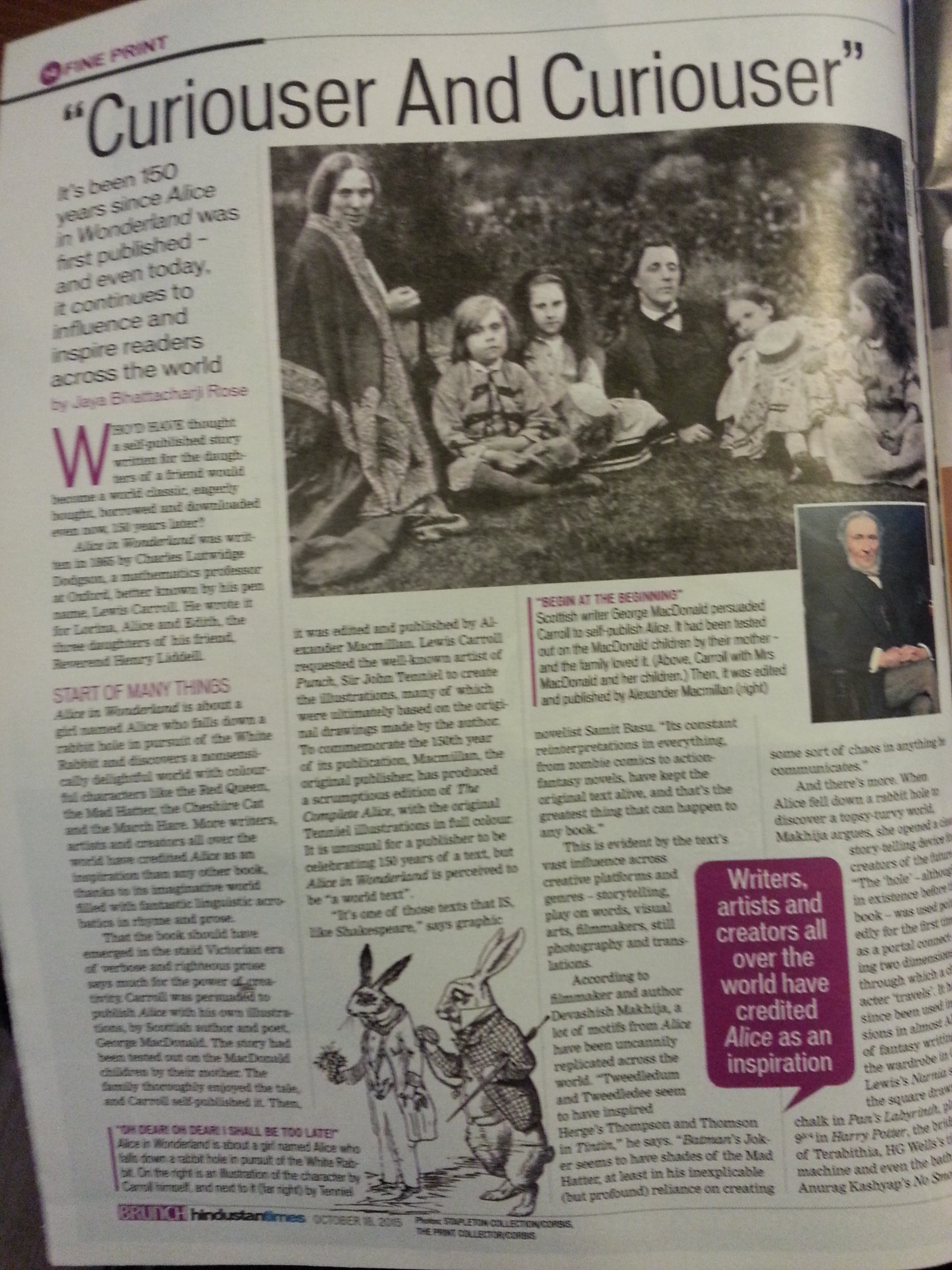
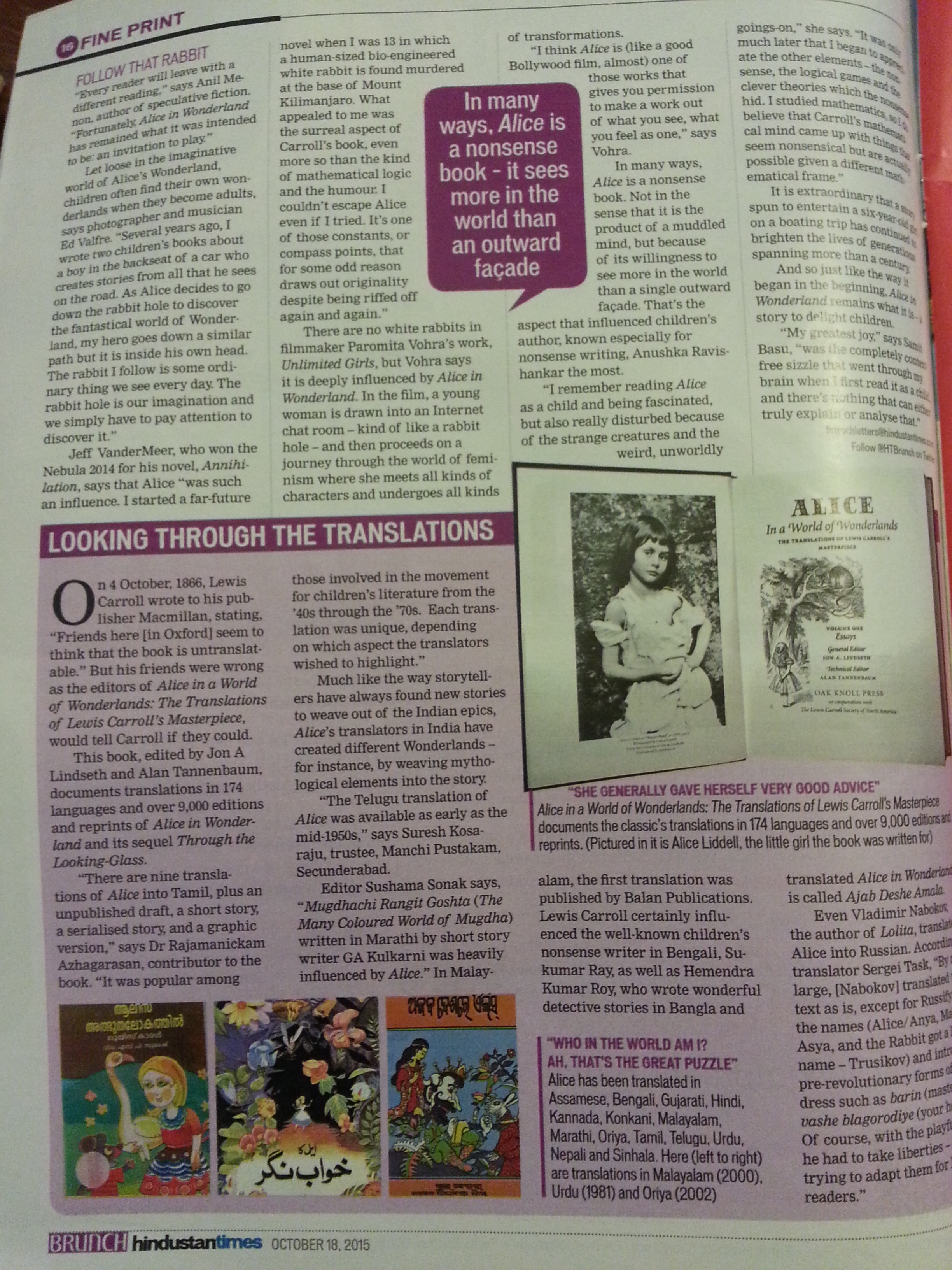
“Alice in Wonderland” continues to inspire readers across the world

( My article on Alice in Wonderland has been published in Hindustan Times popular and widely circulated Sunday 20151018_065049supplement Brunch on 18 October 2015. It is a generous two-page spread in print20151018_065100 with the title “Curiouser And Curiouser”. I am c&p the text from the digital version here. The original url can be viewed at: http://www.hindustantimes.com/brunch/alice-in-wonderland-continues-to-inspire-readers-across-the-world/story-NKnM2TiOACiTMXQXtUI51M.html )

Scottish writer George MacDonald persuaded Carroll to self-publish Alice. It had been tested out on the MacDonald children by their mother – and the family loved it. (Above, Carroll with Mrs MacDonald and her children.) (Getty Images/Science Source)

Who’d have thought a self-published story written for the daughters of a friend would become a world classic, eagerly bought, borrowed and downloaded even now, 150 years later?

 Alice in Wonderland was written in 1865 by Charles Lutwidge Dodgson, a mathematics professor at Oxford, better known by his pen name, Lewis Carroll. He wrote it for Lorina, Alice and Edith, the three daughters of his friend, Reverend Henry Liddell.

Start of many things

Alice in Wonderland is about a girl named Alice who falls down a rabbit hole in pursuit of the White Rabbit and discovers a nonsensically delightful world with colourful characters like the Red Queen, the Mad Hatter, the Cheshire Cat and the March Hare. More writers, artists and creators all over the world have credited Alice as an inspiration than any other book, thanks to its imaginative world filled with fantastic linguistic acrobatics in rhyme and prose.

That the book should have emerged in the staid Victorian era of verbose and righteous prose says much for the power of creativity. Carroll was persuaded to publish Alice with his own illustrations, by Scottish author and poet, George MacDonald.

The story had been tested out on the MacDonald children by their mother. The family thoroughly enjoyed the tale, and Carroll self-published it. Then, it was edited and published by Alexander Macmillan.

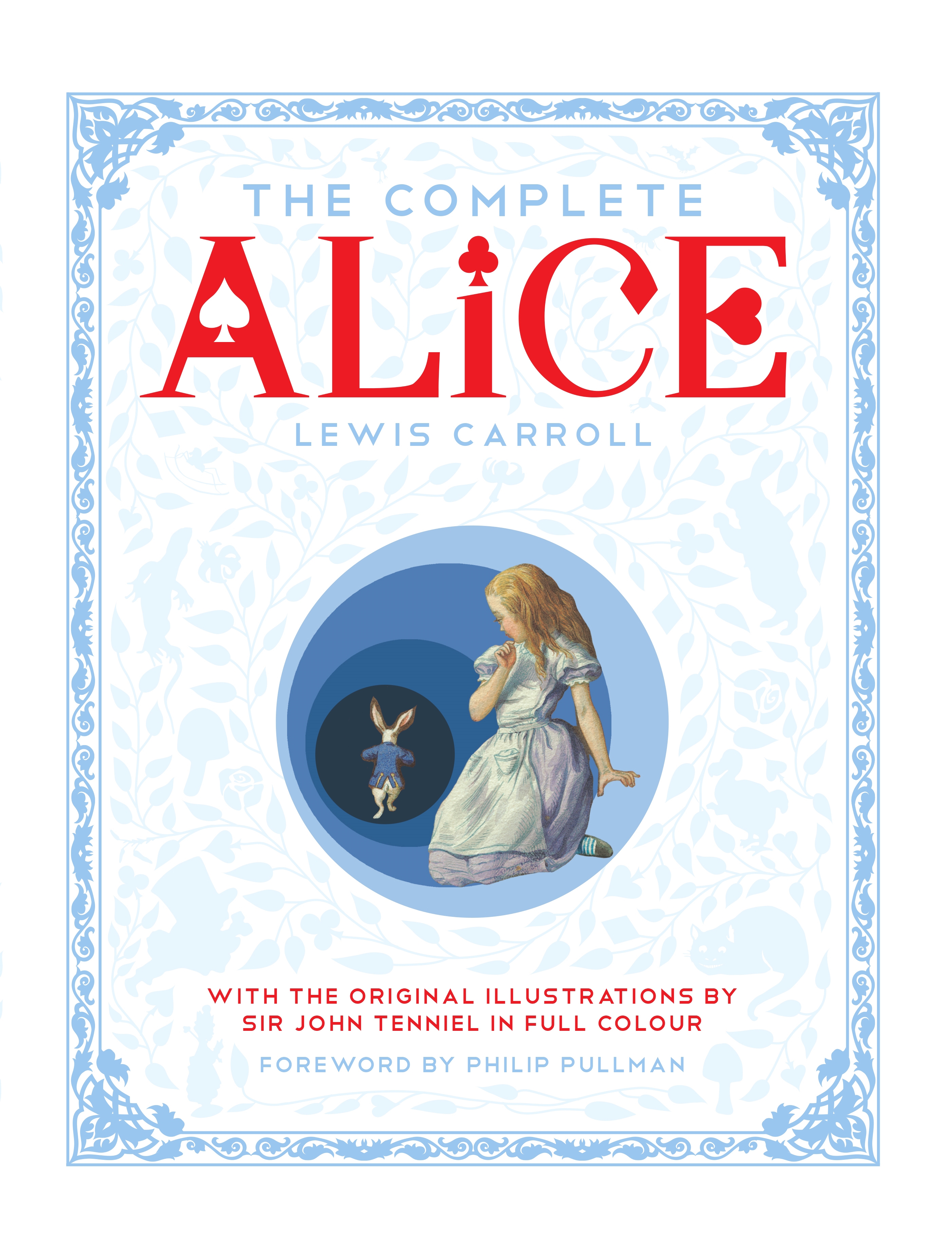
Alice, coverLewis Carroll requested the well-known artist of Punch, Sir John Tenniel to create the illustrations, many of which were ultimately based on the original drawings made by the author. To commemorate the 150th year of its publication, Macmillan, the original publisher, has produced a scrumptious edition of The Complete Alice, with the original Tenniel illustrations in full colour. It is unusual for a publisher to be celebrating 150 years of a text, but Alice in Wonderland is perceived to be “a world text”.

Alice in Wonderland is about a girl named Alice who falls down a rabbit hole in pursuit of the White Rabbit. On the left is an illustration of the character by Carroll himself, and next to it (right) by Tenniel. (Photos: Stapleton Collection/Corbis, The Print Collector/Corbis)

“It’s one of those texts that IS, like Shakespeare,” says graphic novelist Samit Basu. “Its constant reinterpretations in everything, from zombie comics to action-fantasy novels, have kept the original text alive, and that’s the greatest thing that can happen to any book.”

This is evident by the text’s vast influence across creative platforms and genres – storytelling, play on words, visual arts, filmmakers, still photography and translations.

According to filmmaker and author Devashish Makhija, a lot of motifs from Alice have been uncannily replicated across the world. “Tweedledum and Tweedledee seem to have inspired Herge’s Thompson and Thomson in Tintin,” he says. “Batman’s Joker seems to have shades of the Mad Hatter, at least in his inexplicable (but profound) reliance on creating some sort of chaos in anything he communicates.”

And there’s more. When Alice fell down a rabbit hole to discover a topsy-turvy world, Makhija argues, she opened a clear story-telling device for creators of the future. “The ‘hole’ – although in existence before this book – was used pointedly for the first time as a portal connecting two dimensions through which a character ‘travels’.

It has since been used in versions in almost ALL of fantasy writing: the wardrobe in CS Lewis’s Narnia series, the square drawn with chalk in Pan’s Labyrinth, platform 93/4 inHarry Potter, the bridge of Terabithia, HG Wells’s time machine and even the bathtub in Anurag Kashyap’s No Smoking.”

Follow that rabbit

“Every reader will leave with a different reading,” says Anil Menon, author of speculative fiction. “Fortunately, Alice in Wonderland has remained what it was intended to be: an invitation to play.”

Let loose in the imaginative world of Alice’s Wonderland, children often find their own wonderlands when they become adults, says photographer and musician Ed Valfre. “Several years ago, I wrote two children’s books about a boy in the backseat of a car who creates stories from all that he sees on the road. As Alice decides to go down the rabbit hole to discover the fantastical world of Wonderland, my hero goes down a similar path but it is inside his own head. The rabbit I follow is some ordinary thing we see every day. The rabbit hole is our imagination and we simply have to pay attention to discover it.”

Jeff VanderMeer, who won the Nebula 2014 for his novel, Annihilation, says that Alice “was such an influence. I Jeff Vandermeer, Southern Reach Trilogy, Rabbit Totem, illustrated by Jeremy Zerfossstarted a far-future novel when I was 13 in which a human-sized bio-engineered white rabbit is found murdered at the base of Mount Kilimanjaro. What appealed to me was the surreal aspect of Carroll’s book, even more so than the kind of mathematical logic and the humour. I couldn’t escape Alice even if I tried. It’s one of those constants, or compass points, that for some odd reason draws out originality despite being riffed off again and again.”

There are no white rabbits in filmmaker Paromita Vohra’s work, Unlimited Girls, but Vohra says it is deeply influenced by Alice in Wonderland. In the film, a young woman is drawn into an Internet chat room – kind of like a rabbit hole – and then proceeds on a journey through the world of feminism where she meets all kinds of characters and undergoes all kinds of transformations.

“I think Alice is (like a good Bollywood film, almost) one of those works that gives you permission to make a work out of what you see, what you feel as one,” says Vohra.

In many ways, Alice is a nonsense book. Not in the sense that it is the product of a muddled mind, but because of its willingness to see more in the world than a single outward façade. That’s the aspect that influenced children’s author, known especially for nonsense writing, Anushka Ravishankar the most.

“I remember reading Alice as a child and being fascinated, but also really disturbed because of the strange creatures and the weird, unworldly goings-on,” she says. “It was only much later that I began to appreciate the other elements – the nonsense, the logical games and the clever theories which the nonsense hid. I studied mathematics, so I do believe that Carroll’s mathematical mind came up with things that seem nonsensical but are actually possible given a different mathematical frame.”

It is extraordinary that a story spun to entertain a six-year-old girl on a boating trip has continued to brighten the lives of generations spanning more than a century.

And so just like the way it began in the beginning, Alice in Wonderland remains what it is – a story to delight children.

“My greatest joy,” says Samit Basu, “was the completely context-free sizzle that went through my brain when I first read it as a child, and there’s nothing that can either truly explain or analyse that.”

**

Looking back through translations

On 4 October, 1866, Lewis Carroll wrote to his publisher Macmillan, stating, “Friends here [in Oxford] seem to think that the book is untranslatable.” But his friends were wrong as the editors of Alice in a World of Wonderlands: The Translations of Lewis Carroll’s Masterpiece, would tell Carroll if they could.

Alice in a World of Wonderlands: The Translations of Lewis Carroll’s Masterpiece documents the classic’s translations in 174 languages and over 9,000 editions and reprints. (Pictured in it is Alice Liddell, the little girl the book was written for)

This book, edited by Jon A Lindseth and Alan Tannenbaum, documents translations in 174 languages and over 9,000 editions and reprints of Alice in Wonderland and its sequel Through the Looking-Glass.

“There are nine translations of Alice into Tamil, plus an unpublished draft, a short story, a serialised story, and a graphic version,” says Dr Rajamanickam Azhagarasan, contributor to the book. “It was popular among those involved in the movement for children’s literature from the ’40s through the ’70s. Each translation was unique, depending on which aspect the translators wished to highlight.”

Alice has been translated in Assamese, Bengali, Gujarati, Hindi, Kannada, Konkani, Malayalam, Marathi, Oriya, Tamil, Telugu, Urdu, Nepali and Sinhala. Here (left to right) are translations in Malayalam (2000), Urdu (1981) and Oriya (2002).

Much like the way storytellers have always found new stories to weave out of the Indian epics, Alice’s translators in India have created different Wonderlands – for instance, by weaving mythological elements into the story.

“The Telugu translation of Alice was available as early as the mid-1950s,” says Suresh Kosaraju, trustee, Manchi Pustakam, Secunderabad.

Editor Sushama Sonak says, “Mugdhachi Rangit Goshta (The Many Coloured World of Mugdha) written in Marathi by short story writer GA Kulkarni was heavily influenced by Alice.”

In Malayalam, the first translation was published by Balan Publications. Lewis Carroll certainly influenced the well-known children’s nonsense writer in Bengali, Sukumar Ray, as well as Hemendra Kumar Roy, who wrote wonderful detective stories in Bangla and translated Alice in Wonderland: it is called Ajab Deshe Amala.

Even Vladimir Nabokov, the author of Lolita, translated Alice into Russian. According to translator Sergei Task, “By and large, [Nabokov] translated the text as is, except for Russifying the names (Alice/Anya, Mabel/Asya, and the Rabbit got a last name – Trusikov) and introducing pre-revolutionary forms of address such as barin (master) and vashe blagorodiye (your honour). Of course, with the playful verses, he had to take liberties – again, trying to adapt them for Russian readers.”

18 October 2015 

Perumal Murugan’s statement on being awarded the Samanvay Literature Prize

Perumal Murugan by Kannan SundaramKannan Sundaram, Publisher, Kalachuvadu posted the following message from writer Perumal Murugan this morning ( 6 Oct 2015) on his Facebook page. This is regarding the Samanvay Literature Prize conferred upon Perumal Murugan for his novel Madhorubhagan One Part Woman) .

சமன்வய் விருது : பெருமாள் முருகன் அறிக்கை :Samanvay Festival

மாதொருபாகன் நாவலுக்கு வழங்கப்பட்டுள்ள இவ்விருது நெடும்
இலக்கியப் பாரம்பரியம் கொண்ட செம்மொழி ஆகிய தமிழுக்குக் கிடைத்திருக்கும்
நவீன அங்கீகாரம் ஆகும். துரதிர்ஷ்டம் நிறைந்திருக்கும் இச்சூழலில் என்
தாய்மொழி அடைந்திருக்கும் இப்பேறு அதன் வரலாற்றில் துருத்தும் மருவாக
அல்ல, ஒளிரும் மணியாக அமையும் என்று நம்புகிறேன். இவ்விருதுக்குக்
காரணமான அனைவருக்கும் மனமார்ந்த நன்றிகள். இயற்கையின் இயல்புக்கு மாறாகப்
பெருமாள்முருகனின் நிழலாக மட்டுமே தங்கி உலவும் நான் பெருமைமிகு தருணமாக
இதை உணர்கிறேன். இவ்விருதை எல்லாம் வல்ல இறையாகிய மாதொருபாகனின் பாதக்
கமலங்களுக்குச் சமர்ப்பணம் செய்கிறேன்.
அன்புடன்,
பெ.முருகன்

A.R.Venkatachalapthy has translated the statement into English. This is what it says:

“The Samanvay Award for Madhorubhagan is a modern recognition given to Tamil, a classical language with a long and unbroken literary tradition. This recognition, bestowed on my language at an unfortunate moment, will, I hope, be a shining gem rather than an unsightly wart. I wholeheartedly thank everyone who made this possible. Constrained by force of circumstance to act as the shadow of Perumal Murugan, I feel honoured by this award. I dedicate the Samanvay Award to the lotus feet of the almighty lord Madhorubhagan.”

– P. Murugan, 27 Sep. 2015

6 Oct 2015 

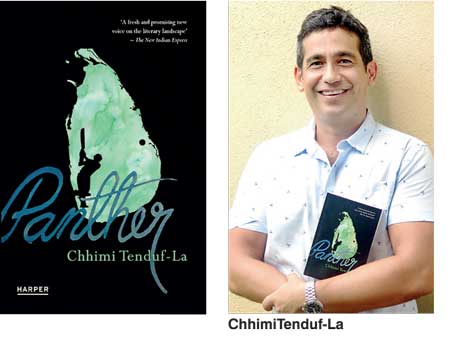
Chhimi Tenduf-La, “Panther”

Chhimi Tenduf-LaSri Lanka is such a beautiful country. We have it all; the beaches, the history, the hills, the heritage, the food, the smiling faces, the hospitality — and now the peace. I am getting used to this. I think I can move on. …I call up some old friends; Gish and Gayan ( Sinhalese Buddhists), Khuzi (Muslim), Gajen ( Tamil Hindu), and Shoban ( mixed-race Christian). All different, but all very similar. All just young guys, enjoying life, enjoying peace. 

My batting technique is still strong, so the boys encourage me to take up cricket professionally. I am not too old, I know it, but do I have the heart? Is it my calling? Can I use my experience to make a difference, like one of the greatest cricketers of all time, Kumar Sangakkara? He said, ‘I am Tamil, Sinhalese, Muslim and Burgher. I am a Buddhist, a Hindu, a follower of Islam and Christianity. I am today, and always, proudly Sri Lankan.’

Chhimi Tenduf-La’s second novel, Panther, is a cross between young adult fiction and a war novel. It is not necessarily because of the story plot and it being set in Sri Lanka, but it is also the style of writing. It has the gritty, bold experimentation in narrative, character sketches and issues often seen contemporary young adult fiction. At the same time it has the urgency and inexplicable situations often seen in war novels, surprisingly always taken in one’s stride since bizarreness is a way of life in war torn areas. So the explosively weird beginning to the novel where Prabu’s family is scattered, after which he is admitted to a posh private school given his wonderful cricketing skills is surreal, yet plausible — after all it is a society being reconstructed after civil strife.

As is common with a lot of contemporary South Asian literature there are intense conversations about identity. But it is not just about the conversations, it is the literary landscapes explored in novels like Panther  making it very clear that despite extreme fundamentalist forces in South Asia preferring to identifying a nation with a particular socio-religious entity, they are simply unable to make sufficient fissures in the community.  Panther has plenty of frank, honest and open conversations about religion, identities, attitudes — a characteristic trait of young adult fiction. It is perfect that the novel revolves around cricket, the national pastime game in many South Asian countries. Another aspect that sets this novel apart from contemporary Sri Lankan literature is the boldness with which it makes no qualms about identifying communities and mixed-races of the individuals. It plots places and people on a very real landscape unveiling the rich complexity of the nation rather than leaving it vaguely as a story about war-torn Sri Lankan, predominantly a conflict between the Tamil and Sinhalese with some Buddhists too.

Chhimi Tenduf-La is half-English and half-Tibetan who grew up in Hong Kong, London, New Delhi and Colombo. He now lives in Colombo with his family.

Read Panther.

Chhimi Tenduf-La Panther Harper, an imprint of HarperCollins Publishers, NOIDA, India. Pb.pp. 270 Rs 299

18 September 2015 

Literati: “For the price of a book…” ( 13 September 2015)


jaya_bhattacharji-300x300My monthly column, Literati, in the Hindu Literary Review was published online ( 12 September 2015) and will be in print ( 13 September 2015). Here is the http://www.thehindu.com/books/literary-review/jaya-bhattacharji-rose-on-the-hunger-for-books-in-india/article7641333.ece. I am also c&p the text below. 

How can you argue with the low prices, especially in a nation where such a hunger for books exists?

This year the Delhi Book Fair held at Pragati Maidan was held on a much smaller scale than previous years. It was dominated by stalls put up by publishers of school textbooks. Government institutions were represented by the National Book Trust, Sahitya Akademi and Indira Gandhi National Centre for the Arts with their reasonably priced publications in many Indian languages and dialects. Religious organisations too displayed their publications, some of which were being distributed free. Most of the larger publishing houses were conspicuous by their absence (preparing for the next edition of the World Book Fair 2016).

But it was the smaller stalls of remaindered books that were fascinating. These are books that are scheduled for

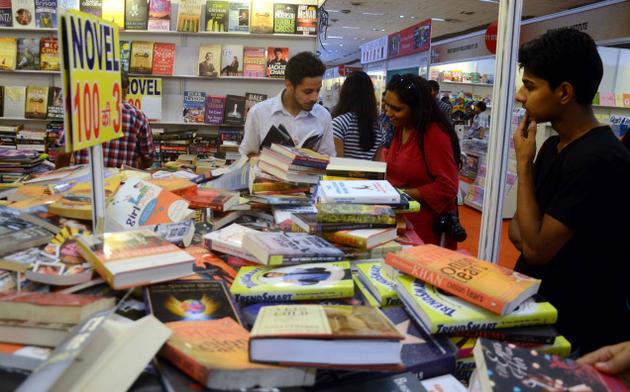
Visitors having a close look at the books available at the 21st Delhi Book Fair at Pragati Maidan, in New Delhi in August, 2015. Photo: Sushil Kumar Verma ( The Hindu)

Visitors having a close look at the books available at the 21st Delhi Book Fair at Pragati Maidan, in New Delhi in August, 2015. Photo: Sushil Kumar Verma ( The Hindu)

pulping in other book markets and are also disposed off by weight. These titles are brought into local markets, usually priced very low. Three books for Rs.100 or for Rs. 500, depending upon their condition and interest in the book or author. It is not unusual to find books with labels from overseas school libraries and institutions, personal inscriptions or treasures like the one Jairaj Singh, a journalist, found at the Delhi Book Fair — an autographed first edition of Kingsley Amis’ Memoirs for Rs. 50 only.

People noodle through these stalls, trailing bags on wheels. Within a limited budget it is possible to acquire a pile of books till the next book fair comes around. It is to these remaindered stalls that the maximum number of buyers— teachers, parents, school children, students, librarians — go. In fact, the presence of these stalls, piled high with books, thrown in an untidy heap, was frowned upon by established publishers at the World Book Fair, February 2015. But how can you argue with the low prices, especially in a nation where such a hunger for books exists? This is borne out by the Amazon India spokesperson who says, “the number of books sold per day has grown by 1400 per cent over the past two years. Over 2500 sellers today offer lakhs of books to their customers across India on amazon.in. The portal has the largest online selection of books in India across languages, including three major regional languages — Hindi, Tamil and Kannada — which have found a huge audience, especially in non-metro cities where regional language books have featured in the top 10 bestsellers list. Over 50 per cent of the orders are coming from outside of the top eight cities.” According to informed sources, online book portals in India are growing at the rate of 12 to 15 per cent per annum.

In August 2015, the longlist for the Man Booker Prize for Fiction was revealed. It is a fabulously diverse list, exciting for the range of debut and experienced writers, geographical regions, varied writing styles and publishers it showcases. A handful, such as Anuradha Roy’s Sleeping on Jupiter, Sunjeev Sahota’s The Year of the Runaways, Bill Clegg’s Did You Ever Have a Family, Hanya Yanagihara’s A Little Life, Anne Tyler’s A Spool of Blue Thread, Marilynne Robinson’s Lila and Anne Enright’s The Green Road are readily available. But try getting hold of Leila Lalami’s The Moor’s Sigh, Chigozi Obioma’s The Fishermen or Anna Smaill’s The Chimes — you either have to pay for  it online (there seems to be no fixed price for the edition even on the same portal, so a comparison of prices is advisable) or bide your time till  it is available at a brick-and-mortar bookshop. Recently, there have been discussions on ebook sales plateauing, primarily because of price fluctuation and smartphones replacing ereaders. (“The plot may be unravelling for e-books” Aimee Picchi, CBS News, 4 September 2015, http://cbsn.ws/1XJDgCf )

final-logo-pratham-booksThis is a trend apparent in India too, as is evident with the launch of the non-profit trust Pratham Books’ open source digital platform, Storyweaver (https://storyweaver.org.in/ ). It features 800 stories in 26 languages (14 Indian and 12 international languages), with an image repository of over 2,000 images. It can be viewed on desktop computers, laptops, tablets or mobile phones. Users will be able to read, download, translate, create, print and publish new stories through the platform using the Creative Commons licensed content on the site. Similarly, Daily Hunt (http://dailyhunt.in/ ) offers news, free and some nominally priced books, in 12 languages and has had 2.3 billion views a month.

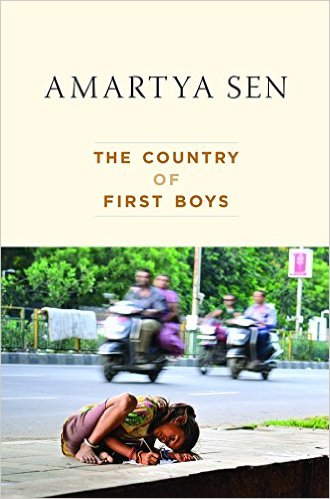
Freshly published print books continue to be unaffordable for many readers in India, as is evident from the rush to Amartya Senbuy cheaply priced, sometimes weathered, remaindered books. Yet, it is significant to note that most Indians, despite being economically challenged, possess a handheld device. Hence, innovative ways of bringing together literature and technology to whet a ferocious book appetite at affordable prices have to be explored. It is also a tremendous way of giving neo-literates a chance to practice their literacy too, instead of it stagnating. As Amartya Sen says in his introduction to The Country of First Boys “…having an educated …population can be a major contributor to enhancing steady and sustainable economic growth.”

12 September 2015 

Who will win the DSC Prize for South Asian Literature? (13 January 2015)

DSC shortlistAccording to the vision statement, the DSC Prize for South Asian Literature celebrates the rich and varied world of literature of the South Asian region. Authors could belong to this region through birth or be of any ethnicity but the writing should pertain to the South Asian region in terms of content and theme. The prize brings South Asian writing to a new global audience through a celebration of the achievements of South Asian writers, and aims to raise awareness of South Asian culture around the world. This year the award will be announced on 22 January 2015, at the Jaipur Literature Festival, Diggi Palace, Jaipur.

The DSC Prize for South Asian Shortlist 2015 consists of:

1. Bilal Tanweer: The Scatter Here is Too Great (Vintage Books/Random House, India)
2 Jhumpa Lahiri: The Lowland (Vintage Books/Random House, India)
3. Kamila Shamsie: A God in Every Stone (Bloomsbury, India)
4. Romesh Gunesekera: Noontide Toll (Hamish Hamilton/Penguin, India)
5. Shamsur Rahman Faruqi: The Mirror of Beauty (Penguin Books, India)

( http://dscprize.com/global/updates/five-novels-make-shortlist-dsc-prize-2015.html )

The jury consists of Keki Daruwala (Chairperson), John Freeman, Maithree Wickramasinghe, Michael Worton and Razi Ahmed.

All the novels shortlisted for the award are unique. They put the spotlight on South Asian writing talent. From debut novelist ( Bilal Tanweer) to seasoned writers ( Jhumpa Lahiri, Romesh Gunesekera and Kamila Shamsie) and one in translation – Shamsur Rahman Faruqui, the shortlist is a good representation of the spectrum of contemporary South Asian literature in English. Three of the five novelists– Jhumpa Lahiri, Romesh Gunesekera and Kamila Shamsie–reside abroad, representing South Asian diaspora yet infusing their stories with a “foreign perspective”, a fascinating aspect of this shortlist. It probably hails the arrival of South Asian fiction on an international literary map. The three novels — The Lowland, Noontide Toll and A God in Every Stone are firmly set in South Asia but with the style and sophistication evident in international fiction, i.e. detailing a story in a very specific region and time, culturally distinct, yet making it familiar to the contemporary reader by dwelling upon subjects that are of immediate socio-political concern. For instance, The Lowland is ostensibly about the Naxalite movement in West Bengal, India and the displacement it causes in families; A God in Every Stone is about an archaeological dig in Peshawar in the period around World War I and Noontide Toll is about the violent civil unrest between the Sinhala and Tamils in Sri Lanka. Yet all three novels are infused with the writers’ preoccupation with war, the immediate impact it has on a society and the transformation it brings about over time. The literary techniques they use to discuss the ideas that dominate such conversations — a straightforward novel (The Lowland), a bunch of interlinked short stories narrated by a driver ( who is at ease in the Tamil and Sinhala quarters, although his identity is never revealed) and the yoking of historical fiction with creation of a myth as evident in Kamila Shamsie’s A God in Every Stone. All three novelists wear their research lightly, yet these novels fall into the category of eminently readable fiction, where every time the story is read something new is discovered.

Bilal Tanweer who won the Shakti Bhatt First Book Prize 2014 for his wonderful novel, The Scatter Here is Too Great. Set in Karachi, it is about the violence faced on a daily basis. (Obviously there is much more to the story too!) Whereas Shamsur Rahman Faruqi’s novel The Mirror of Beauty, translated by him from Urdu into English is primarily about Begum Wazir Khanam with many other scrumptious details about lifestyles, craftspeople, and different parts of India. It is written in a slow, meandering style of old-fashioned historical fiction. The writer has tried to translocate the Urdu style of writing into the English version and he even “transcreated” the story for his English readers—all fascinating experiments in literary technique, so worth being mentioned on a prestigious literary prize shortlist.

Of all the five novels shortlisted for this award, my bet is on Kamila Shamsie winning the prize. Her novel has set the story in Peshawar in the early twentieth century. The preoccupations of the story are also those of present day AfPak, the commemoration of World War I, but also with the status of Muslims, the idea of war, with accurate historical details such as the presence of Indian soldiers in the Brighton hospital, the non-violent struggle for freedom in Peshawar and the massacre at Qissa Khwani Bazaar. But the true coup de grace is the original creation of Myth of Scylax — to be original in creating a myth, but placing it so effectively in the region to make it seem as if it is an age-old myth, passed on from generation to generation.

13 January 2015


Literati: “Catch them young”

Literati: “Catch them young”

From this month  I begin a new column in the Hindu Literary Review called “Literati”. It will be about the world of books, publishing and writers from around the world. Here is the url to the first column. http://www.thehindu.com/books/literary-review/catch-them-young/article5969576.ece It was published online on 3 May 2014 and will be in the print edition on 4 May 2014. I am c&p the text below. 

Ghost BrideA friend called this morning expressing her delight that her 11-year-old son had finished the pile of books I had lent him. Now he was back to reading Calvin and Hobbes. A father worried about his tennis- and cricket-mad 10-year-old son says the kid only wants to buy sports almanacs.

The parents’ bewilderment is incomprehensible given the explosion of children and young adult literature. The focus is so intense that it has generated a lively intense debate along gendered lines. Should books meant for girls have pink covers? Dame Jacqueline Wilson says it is ‘pigeonholing’ and it is putting boys off reading. Of late, there have been articles wondering whether boys are not reading because they are simply unable to discover books that appeal to them.

An international imprint I have become quite fond of is Hot Keys, established by Sarah Odedin, formerly J.K. Rowling’s editor. Hot Keys is synonymous with variety, fresh and sensitively told stories and is not afraid of experimenting nor can it be accused of gender biases in content and design. Sally Gardner’s award-winning Maggot Moon, Yangsze Choo’s The Ghost Bride and Tom Easton’s hilariousBoys Don’t Knit belong to this list.

Other recently released YA titles available in India are Andaleeb Wajid’s No Time for Goodbyes, which uses the time travel formula to contrast contemporary life with that of the previous generation; Ranjit Lal’s blog Tall Stories, a collection of 100 stories about 10-year-old Sudha and 12 1/2-year-old Lalit, being uploaded weekly; and Joy Bhattacharjya’s delightful Junior Premier League ( co-authored with his son, Vivek) about a bunch of 12-year-olds eager to join the Delhi team of the first ever Junior Premier League tournament.

Some imprints that publish books for children and young adults in India are Puffin, Red Turtle, Duckbill, Pratham, Walker Books, Macmillan and Hachette.

Creating cultural wealth for children ensures there is little or no loss of cultural confidence, and creates a reading community in the long term. Pratham Books in partnership with Ignus ERG with funding support from Bernard van Leer Foundation is launching a new imprint called Adhikani. These books for young children will be published in four tribal languages of Odisha-Munda, Saura, Kui and Juang.

The idea is to make literature in print available in an otherwise oral culture whose stories are not normally visible in “mainstream” publications. They have already brought out 10 books and four song cards with Saura mural art based illustrations. Bi-lingual editions are also being considered in English with Marathi, Kannada, Telugu, Urdu and Tamil.

The Pratham-IGNUS ERG experiment is not uncommon. The Good Books Guide: How to Select a Good Book for Children (published by NBT and PAG-E) cites other examples and introduces 800 titles from English, in translation and available in other Indian languages.

Today there are so many choices/distractions and readers are increasingly used to personalising their environment to their tastes and interests. Increasingly it is being done in classrooms, so why not in trade literature as well?

Readers versus writers?

Eighty per cent of readers ‘discover’ a book through word of mouth and 20 per cent through social media. The Malayalam edition of Benyamin’s award-winning novel Aadujeevitham (Goat Days) has gone into the 75th edition (it was first published in 2008) and Anurag Mathur’s Inscrutable Americans has gone into the 50th edition (first published in 1991).

Internationally, India is a dream destination for publishers. The overall market in physical books was up 11 per cent by volume and 23 per cent by value in 2013 over 2012 (Nielsen, London Book Fair, 2014). Production of books is increasing, but is there a corresponding increase in readers too?

Rahul Saini — whose Paperback Dreams is a tongue-in-cheek fictional account of publishing in India — discovered to his dismay that an author friend wanted the synopsis told. Apparently he did not have the time to go through the whole book.Rahul Saini

Saini says, “Everyone wants to write but no one wants to read. I think this is a dangerous phenomenon. If we don’t want to read then is it really fair to write and expect others to read our books?” Writing takes time and effort and for it to be recognised it has to be of high calibre.

Translation award

The inaugural V. Abdulla Award for translation from Malayalam into English will be given on May 10, 2014 in Kozhikode by writer M.T. Vasudevan Nair. V. Abdulla was the first translator of Basheer.

@JBhattacharji

jayabhattacharjirose@gmail.com

3 May 2014 


Web Analytics Made Easy -
StatCounter