Book Post 52: 25 Nov – 17 Dec 2019
Book Post 52 includes some of the titles received in the past few weeks.
17 Dec 2019

No big colonial sword needs to come down and slash the fabric of the nation,” …. “Muscle by muscle, atom by atom, we are being torn from within. We are our own bomb.”
Forces of history are at work, he says. Forces too big to fight. He reels off dates. 1947, 1857, 1799. I slapped my head. Spare me. I don’t understand kings and queens. I am a simple man.
…
Slathered on the walls, wrapping all the way around the street. Every shutter, all the way up to the white mosque. It is true. That puffed-up face, like mouldy pastry. The fellow has called us aliens in our own land. He lost the election and we thought, that would teach him. Now here was, his face pasted on my wall.
Award-winning novelist and playwright Annie Zaidi’s novella No Prelude to a Riot is a disturbing, hard-hitting story set in a nameless city. It is about the rising communal tensions and the anxiety of living under constant siege. What comes across equally poignantly is the writer’s own attempts at writing a story that is extremely close to the reality of today. To be writing under a sense of constant siege, where the lines between the fictional characters and plot are blurred, is not an easy task. Sometimes it seems as if the voices of the characters are not strong enough, probably due to the circumstances they live in, yet they do manage to slip in what they have to say, jolting the reader with their pronouncements. It leaves a sinking feeling in the stomach.
Earlier this year Annie Zaidi won the $100,000 Nine Dots Prize for her essay Bread, Cement, Cactus. It will be expanded and published as a short book by Cambridge University Press in 2020. The Nine Dots Prize is a book prize for creative thinking that tackles contemporary societal issues. Entrants for the prize are asked to respond to a question in 3,000 words and the winner receives $100,000 (Rs 69.83 lakh) to write a short book expanding on the essay’s idea. The question this year was “Is there still no place like home?” “Zaidi’s entry, ‘Bread, Cement, Cactus’, combines memoir and reportage to explore concepts of home and belonging rooted in her experience of contemporary life in India, where migration – within the country, especially from villages to cities – is high,” the Nine Dots Prize said in a statement.
Prelude to a Riot is a novella that explores similar concepts of home and belonging while rooted in the very real and disturbing issues of communal violence, a growing intolerance of the other and crumbling of democracy. It is shattering to realise that Prelude to a Riot, Tabish Khair’s Night of Happiness, Nayantara Sahgal’s The Fate of Butterflies and Ravish Kumar’s The Free Voice are critical contributions to contemporary literature, offering perspectives while bearing witness to the current socio-political events.
18 September 2019
At the beginning of the week I post some of the books I have received recently. In today’s Book Post 29 included are some of the titles I have received in the past few weeks.
11 March 2019


Every Monday I post some of the books I have received in the previous week. This post will be in addition to my regular blog posts and newsletter. Today’s Book Post 25 is after a gap of two weeks as January is an exceedingly busy month with the Jaipur Literature Festival, Jaipur BookMark and related events.
In today’s Book Post 25 included are some of the titles I received in the past few weeks as well as bought at the literature festival and are worth mentioning.
4 February 2019


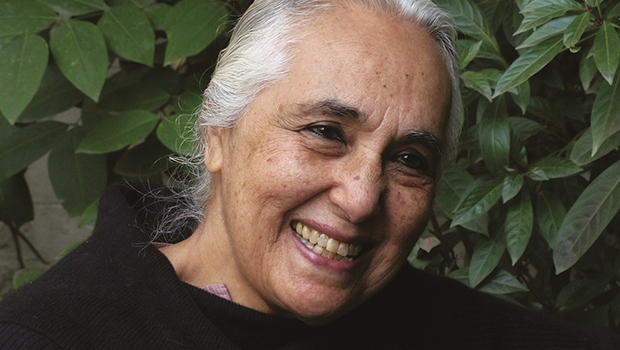
Renowned historian Romila Thapar has recently published an extremely relevant Indian Cultures as Heritage: Contemporary Pasts. Her premise is how the centuries texts and monuments are mostly historical records of elite cultures that “received larger patronage and symbolized the patterns of life of dominant groups”. These over time were conveyed and became readily available symbols of heritage as opposed to the objects of the socially lower groups “whose less durable cultural manifestations often do not survive. This also predisposed people to associate culture as essentially that of the elite”.
According to her most early societies register inequalities. All men and women may be said to be equal in the eyes of God but they may at the same time be differentiated in the eyes of men and women. She argues that societies are not static and change their forms and rules of functioning. Cultures are a reflection of these social patterns, so they also change. Culture is constructed, determined, and preserved by institutions and social codes. It is within this framework she spends a chapter discussing how perceptions of women in Indian society and the role of caste in providing contexts to determining attitudes to Indian culture. Ultimately there is a process of socialisation which makes these codes of conduct acceptable and then are more or less cast in stone, being passed on as tradition. She examines how “the single category of ‘women’ is no longer viable, since women, like men, perform a variety of social functions. These conform to the section of society they belong, detemining much of their activity and their articulation, both of which are now seen as a crucial aspect of the larger pattern of living”. Prof. Thapar makes a fascinating case for how the “history of what was often described as ‘women in ancient India’, was a reiteration of what was said about the role of women in society, in the Dharmashastras. These were heavily male-oriented and not much attention was given to women other than unnerlining their subservience to men.” Whereas she argues that the position of women in society which was usually defined by rules of caste and patriarchy, in part revolving around their sexuality, would at times be subverted. This was particularly noticeable in their modes of renouncing the world as documented by non-Brahmanical and secular literature.
These outstanding essays discuss history as heritage and the “Indian culture” that we extrapolate from this inheritance. This need to understand and discuss culture is from how the study of the past has changed in the few decades particularly with the upsurgence of nationalism as evident in its desire to focus on charting history through objects. Listen to this talk where she clearly states that true nationalism is inclusive of all traditions and does not occur at the cost of one or the other religion. She recorded this a year before this book was released — “Our Shared Cultural Heritage”History as Heritage” ( Anhad India, 26 Feb 2017). As she says in this interview to journalist Manjula Narayan “The secularization of society is essential to ensure the existence of democracy. The need for the secular is not just to enable us to say that we are not a theocratic state, but is essential to the functioning of democracy. Democratic systems cannot exist where there are predetermined religious majority and minority groups that are treated as fundamental to the functioning of democratic institutions, such as in elections to the Lok Sabha. We have been combining religion and politics by observing laws that claim religious sanctity as the basis of civil laws. This is an impediment in a multi-religious society.” ( Hindustan Times, 9 March 2018)
Read and share this book widely. It is imperative to do so in these times.
Romila Thapar Indian Cultures As Heritage: Contemporary Pasts Aleph Book Company, Delhi, 2018. Hb. pp. 222 Rs 599
11 March 2018
For some peculiar reason poetry is quoted and used extensively everywhere but rarely does it get a regular space in a
publishing house. It is often said poetry is too complicated to publish and to sell. It is subjective. Also many customers prefer to read poetry at the store and put the book back on the shelf. For many poets in India, self-publishing their poems has been popular. For generations of poets the go-to place was Writers Workshop begun by
the late P. Lal. Some of the poets published by Writers Workshop included Vikram Seth, Agha Shahid Ali, Adil Jussawalla, Arun Kolatkar, Arvind Krishna Mehrotra, Jayanta Mahapatra, Keki Daruwalla, Kamala Das, Meena Alexander, Nissim Ezekiel, and Ruskin Bond. Some of the other publishing houses published occasional volumes of poetry too.
Of late the practice has continued. Only the rare volume or two is published. Aleph Book Company has published
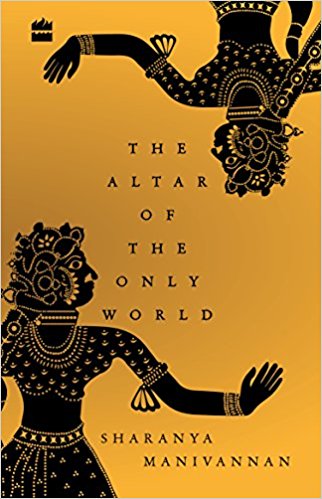
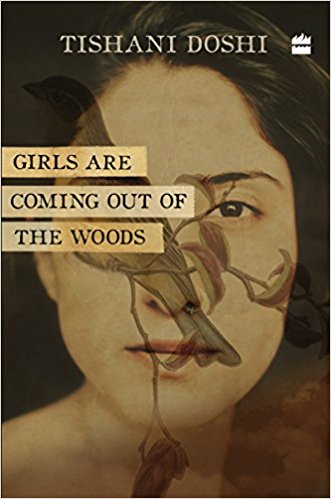
some fine volumes of poetry which has included translations ( Mirabai and Tirukkal) and contemporary poets such as Jeet Thayil, Sridala Swami and Vikram Seth. Some years ago Harper Collins India published The HarperCollins Book Of English Poetry (ed. Sudeep Sen) and recently the excellent collection of poems by Tishani Doshi Girls are Coming Out of the Woods. Also that of Sharanya Manivannan ‘s The Altar of the Only World which is considered as well to be a very good volume. Penguin Random House India has a reputation for publishing good
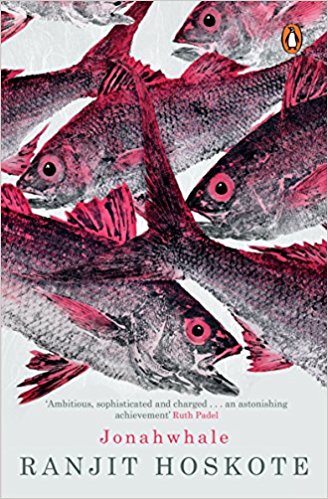
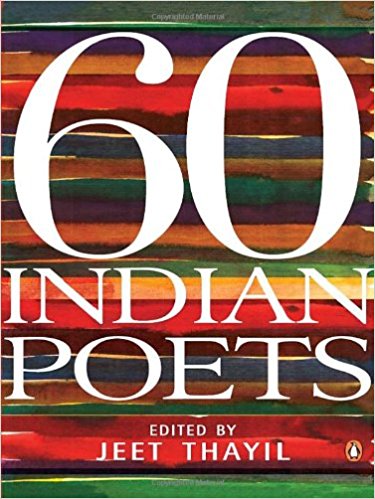
volumes of poetry particularly of established poets such as 60 Indian Poets edited by Jeet Thayil. A volume to look forward to in 2018 will be Ranjit Hoskote’s Jonahwhale . The feminist publishing house Zubaan books published a fascinating experimental volume Andal: The Autobiography of a Goddess edited and translated by Priya Sarukkai Chhabra and Ravi Shankar.
Speaking Tiger Books has begun to actively publish poetry — at least far more frequently
than the other firms. In the past few months
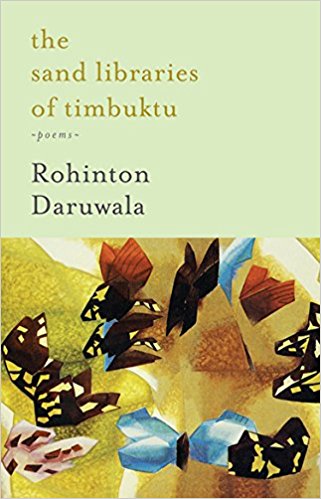
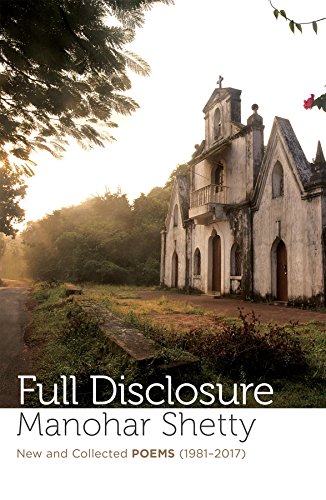
alone some of their titles include Rohinton Daruwala’s The Sand Libraries of Timbuktu: Poems ; Manohar Shetty’s Full Disclosure: New and Collected Poems (1981-2017) ;
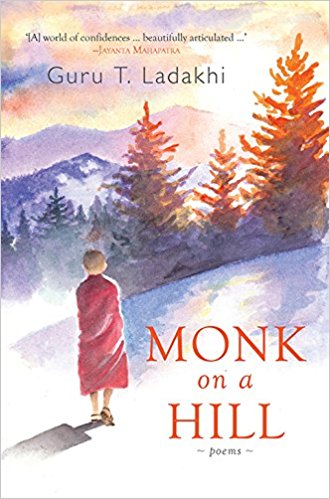
C.P. Surendran’s Available Light: New and Collected Poems ; Guru T. Ladakhi’s Monk on a Hill: Poems ;
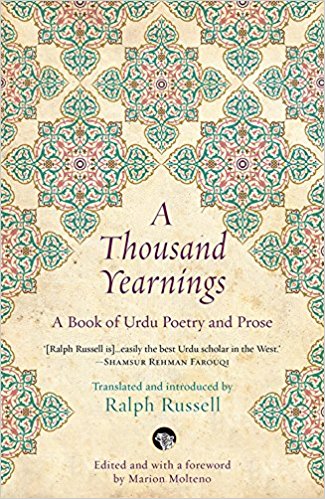
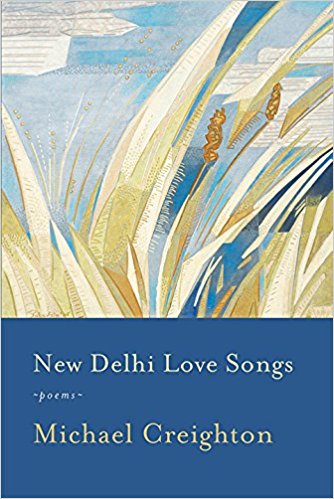
Ralph Russell’s translations and edited by Marion Molteno A Thousand Yearnings: A Book of Urdu Poetry & Prose ; Ruskin Bond’s I Was the Wind Last Night: New and Collected Poems ; Michael
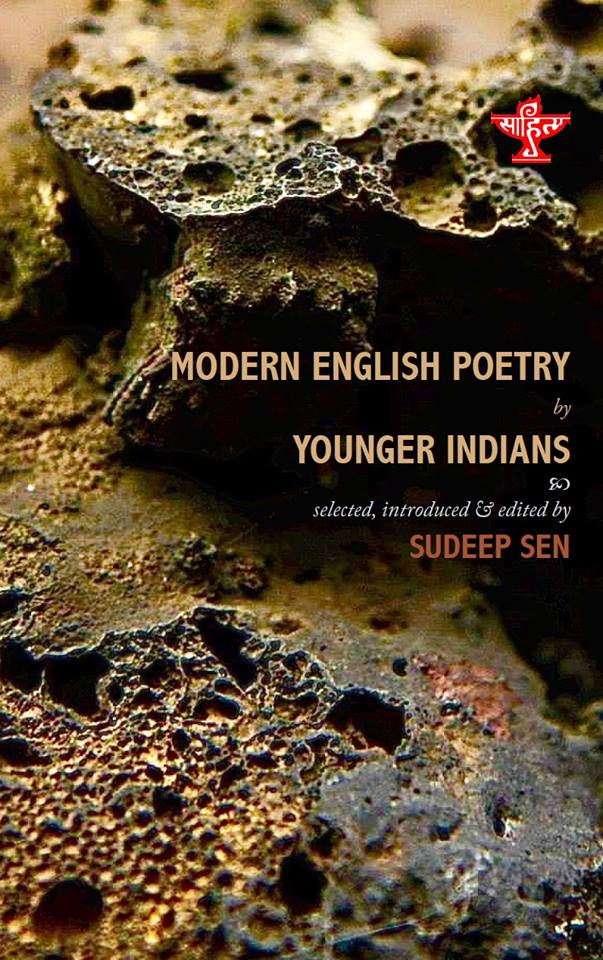
Creighton’s New Delhi Love Songs: Poems . Later this year the Sahitya Akademi is publishing what looks to be a promising collection of poetry by “younger Indians”, edited and selected by noted poet Sudeep Sen.
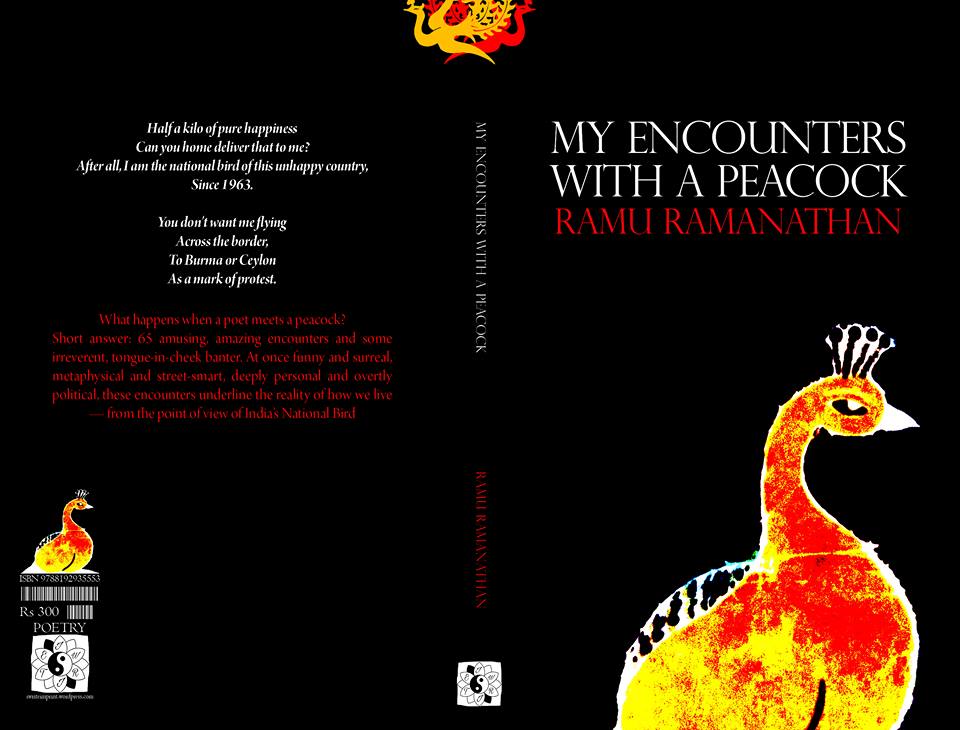
Having said that the self-publishing initiatives still continue. For instance a young poet and writer ( and journalist) Debyajyoti Sarma launched the i, write, imprint, press to publish poetry. Some of the poets published ( apart from him) include noted playwright Ramu Ramanathan, Uttaran Das Gupta, Sananta Tanty and Paresh Tiwari. 
Now there are more opportunities for poets to publish in literary magazines as well. For instance well-known poet
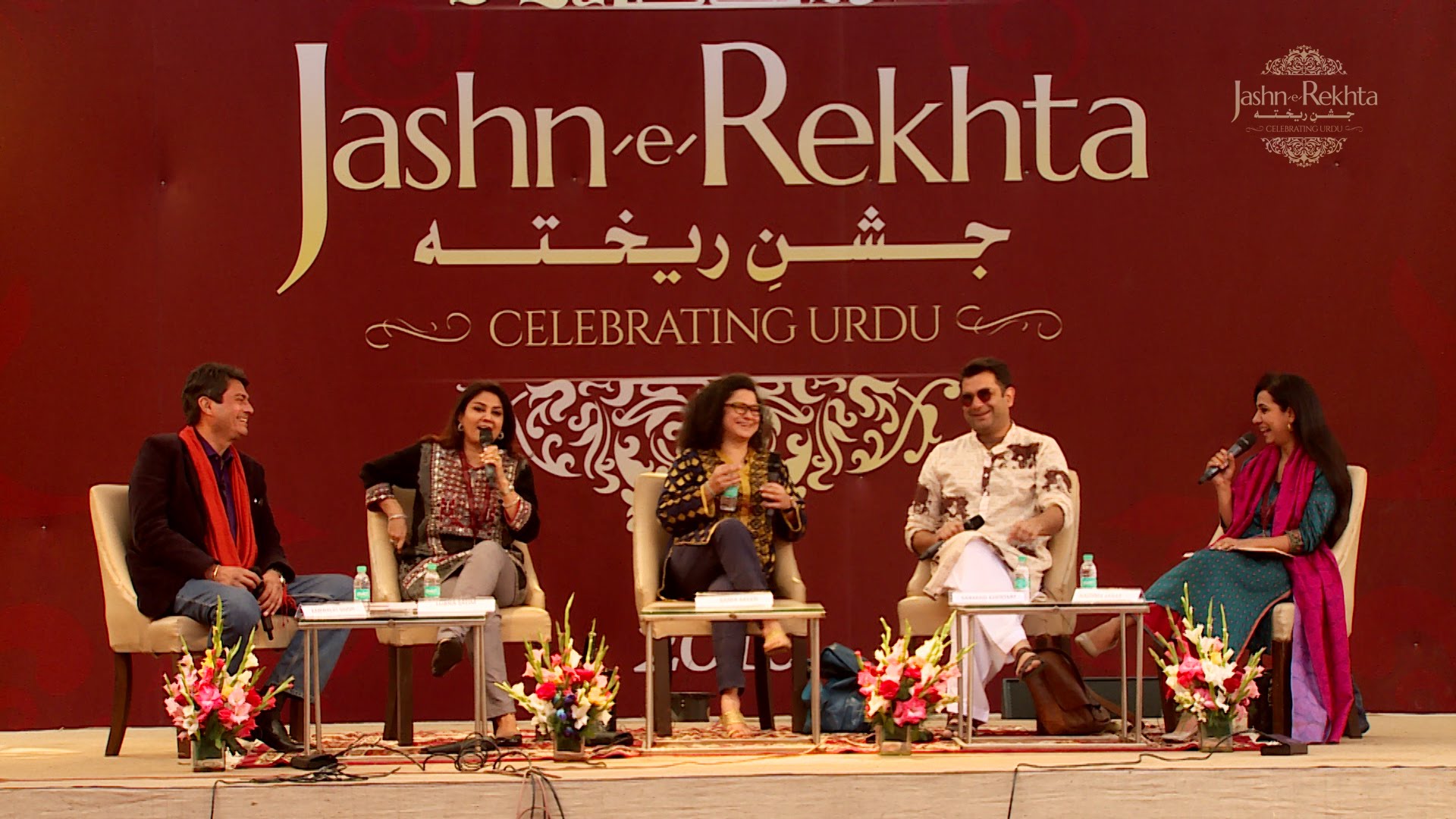
Sampurna Chattarji has been appointed the poetry editor of IQ magazine and is looking for submissions and hoping to be read as well! She writes about it on her blog. Another active space for poets is Poetry at Sangam which is edited by Priya Sarukkai Chhabra. It showcases poetry in English and translations as well as essays on poetics and news of new releases. Another vibrant space for poetry especially Urdu is the Jashn-e-Rekhta festival. 

There are plenty more initiatives in other local languages, meet ups, open
mike sessions etc where poets can recite/perform their work. In the past decade there has been a noticeable increase in these events whether informal groups that meet at local parks or coffee shops to more formal settings as a curated evening.
Undoubtedly poets and their poetry is thriving, just more publishers are needed to publish the poets.
6 January 2018