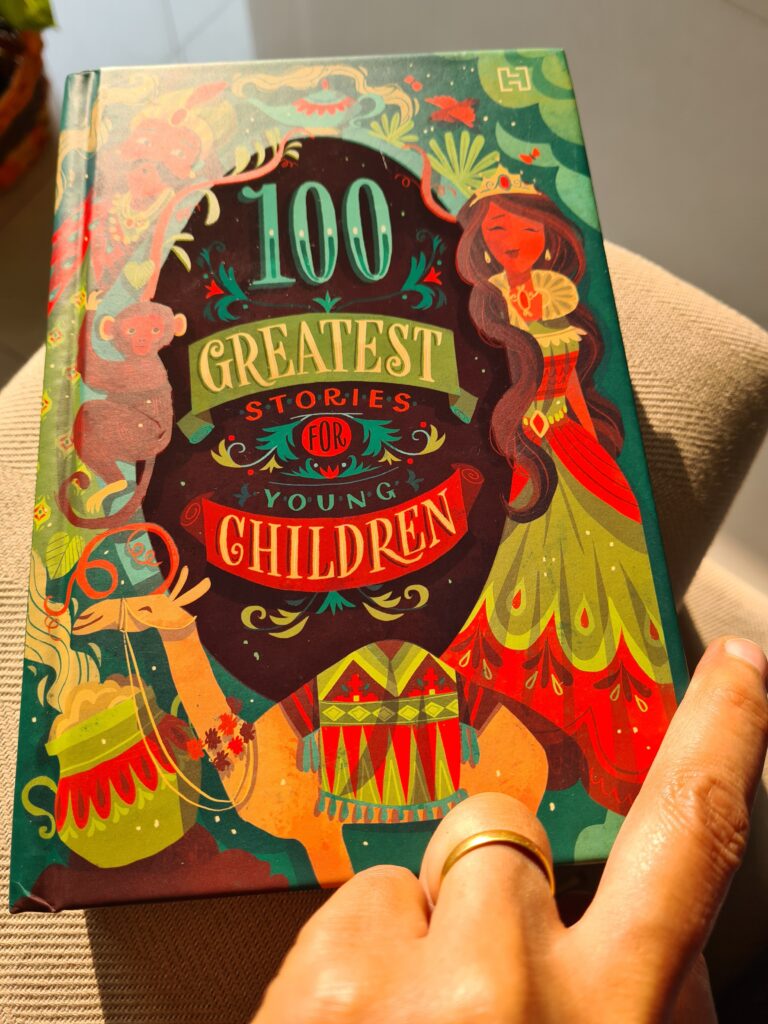
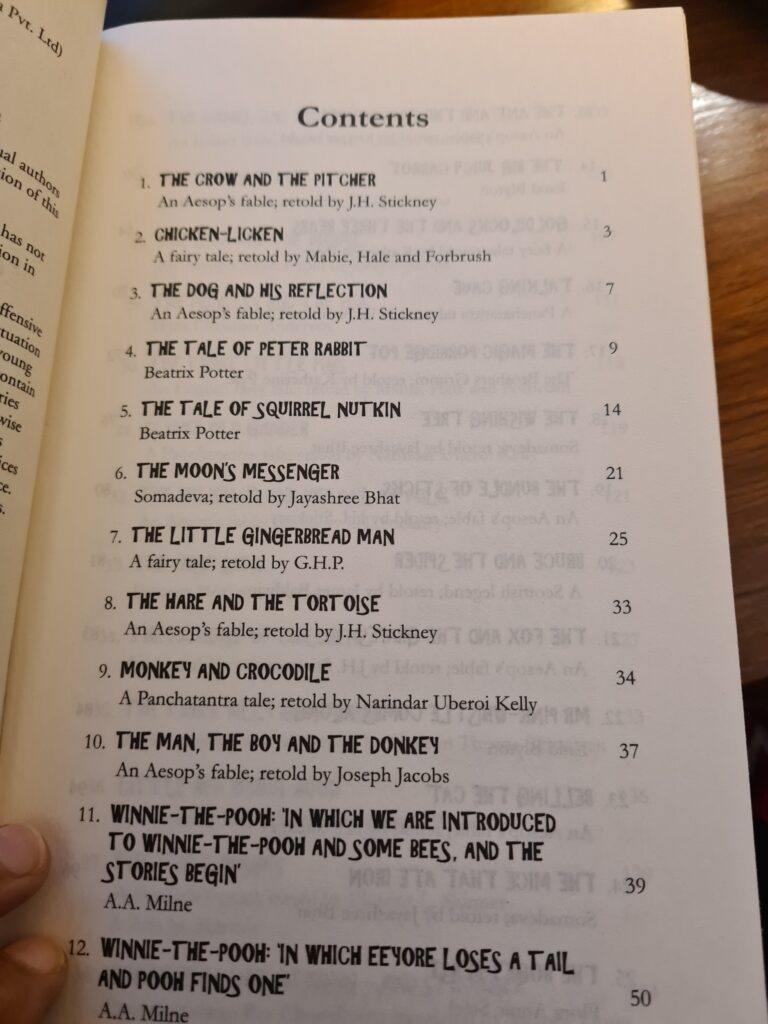
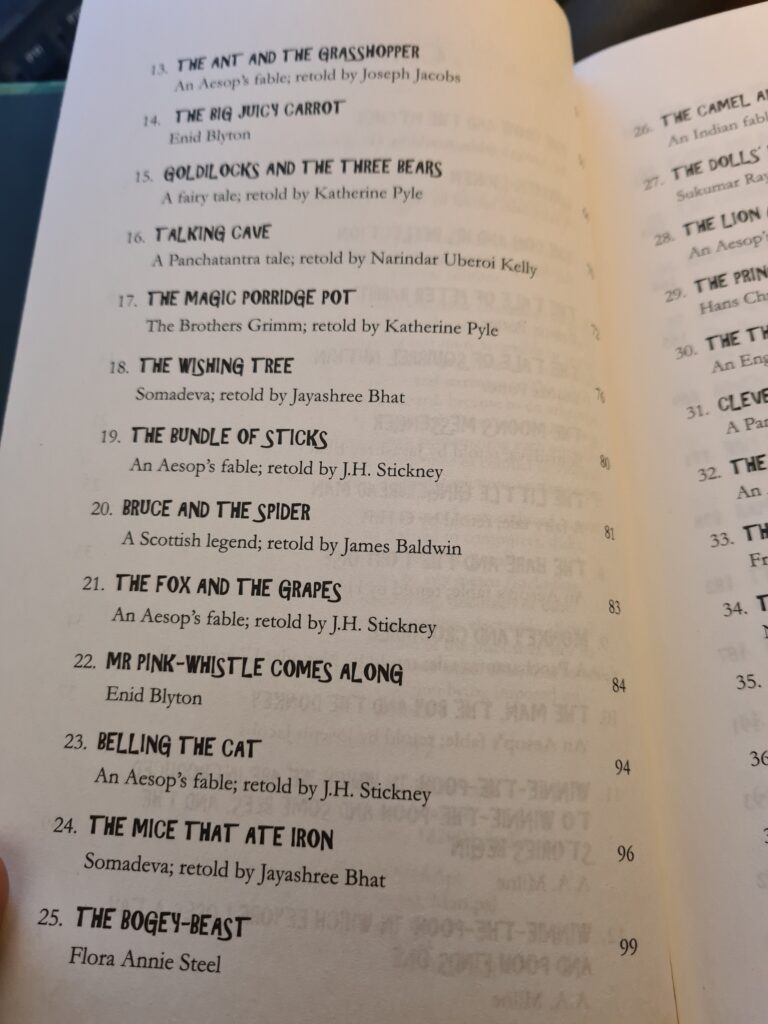
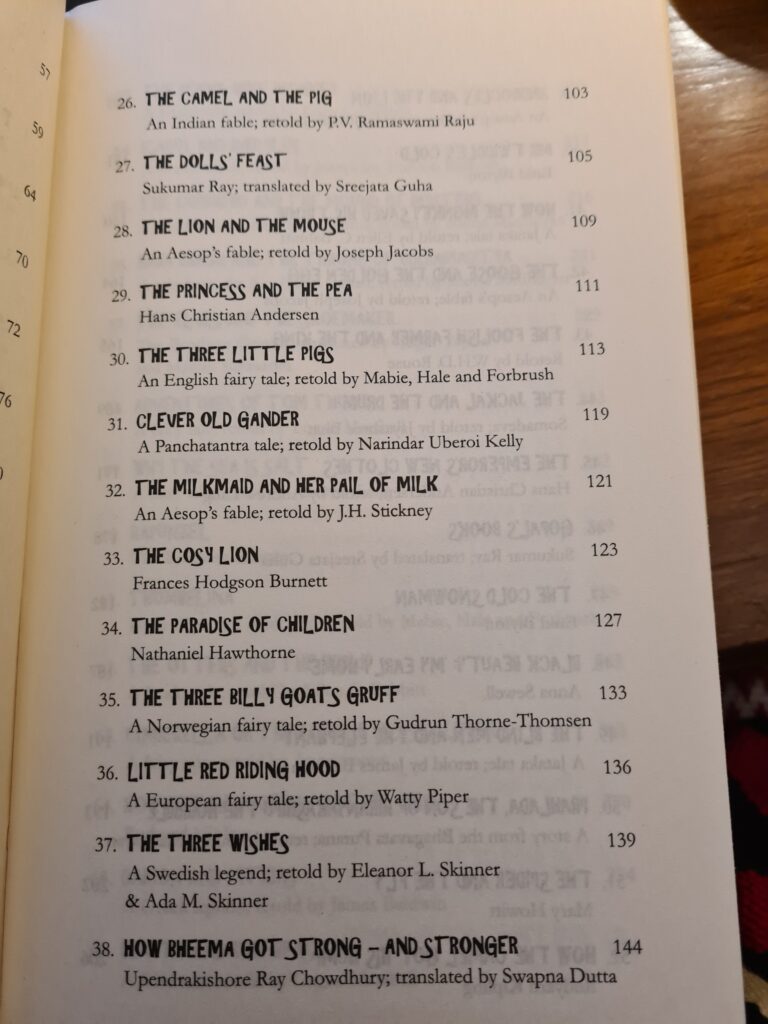
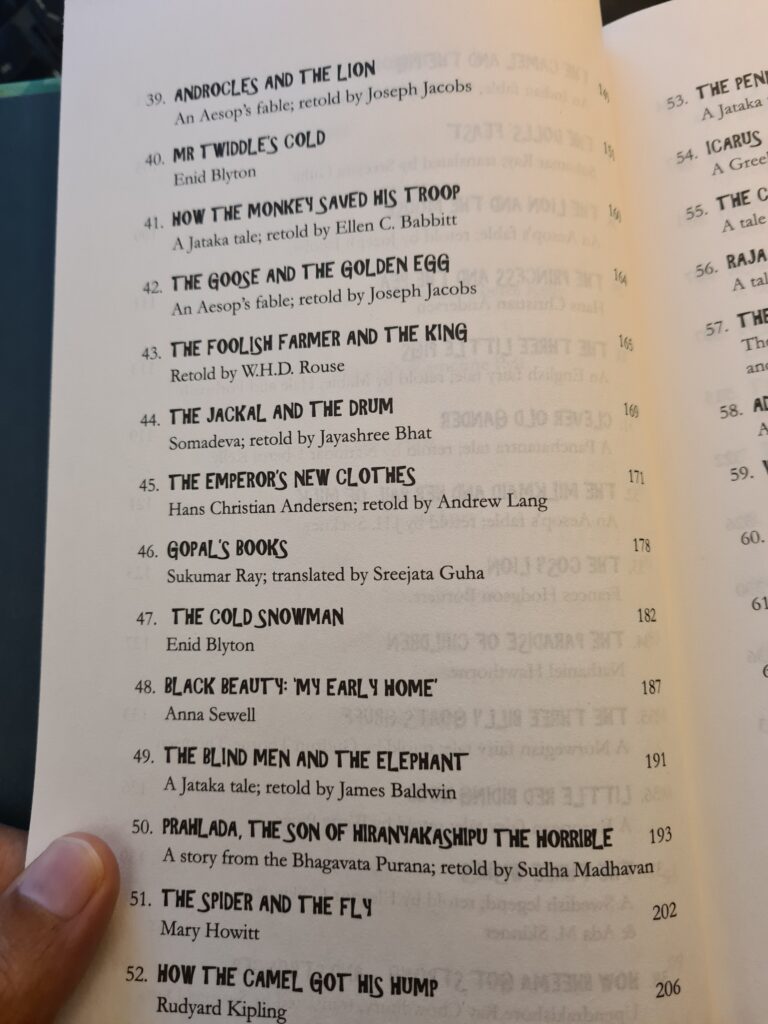
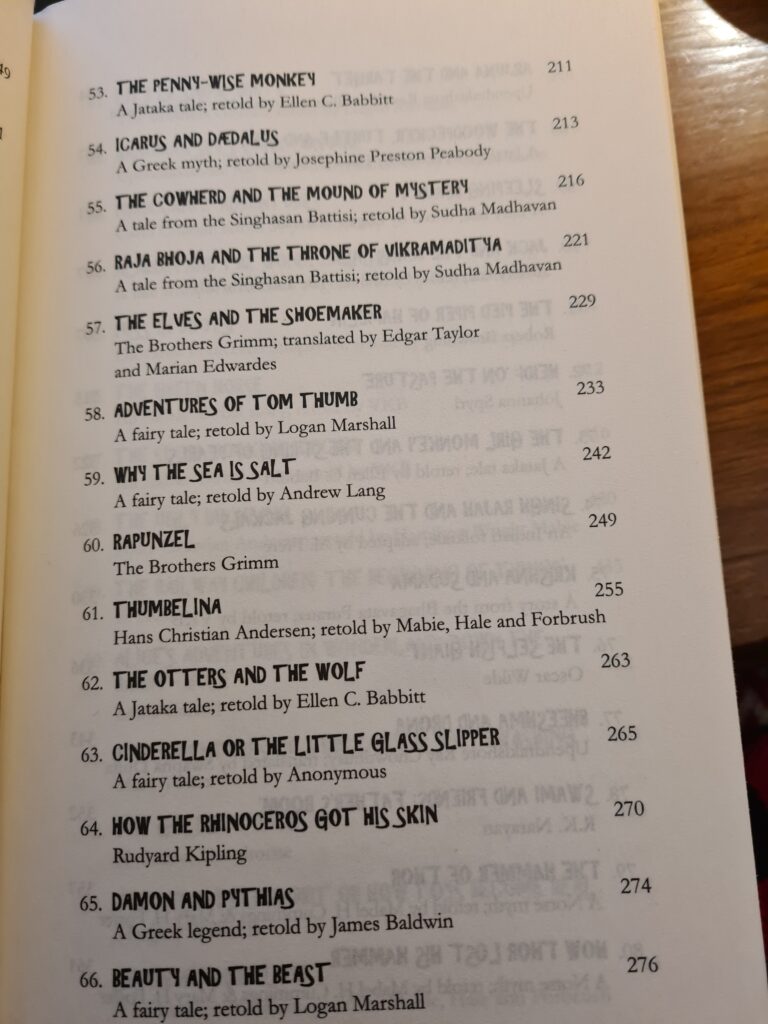
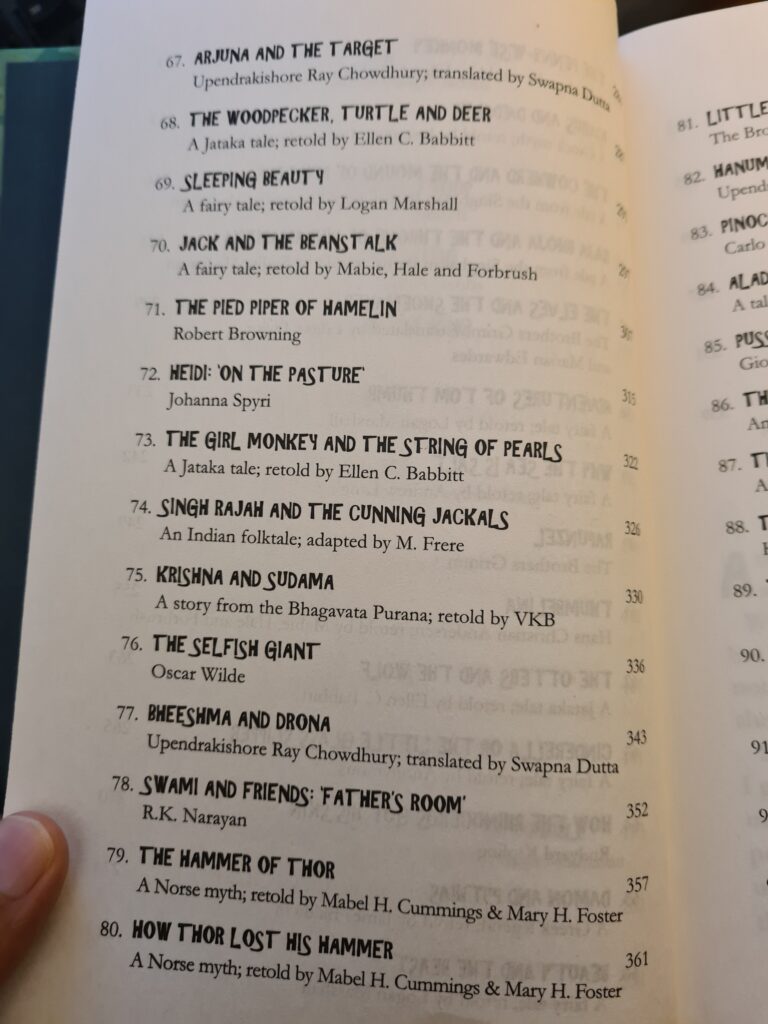
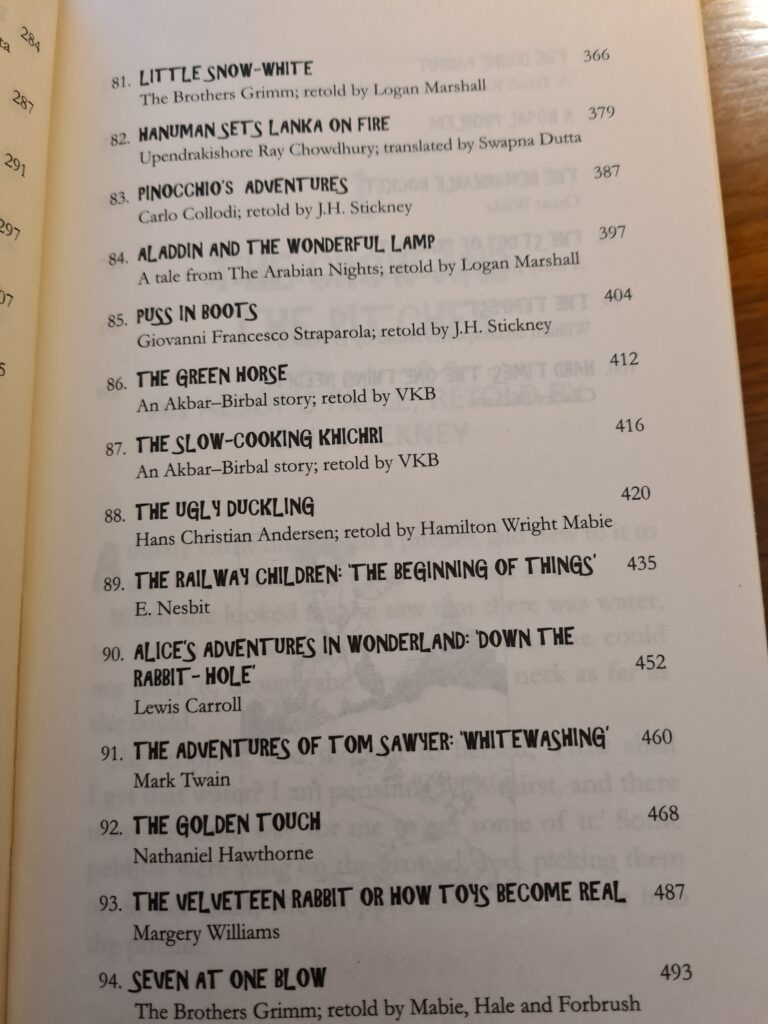
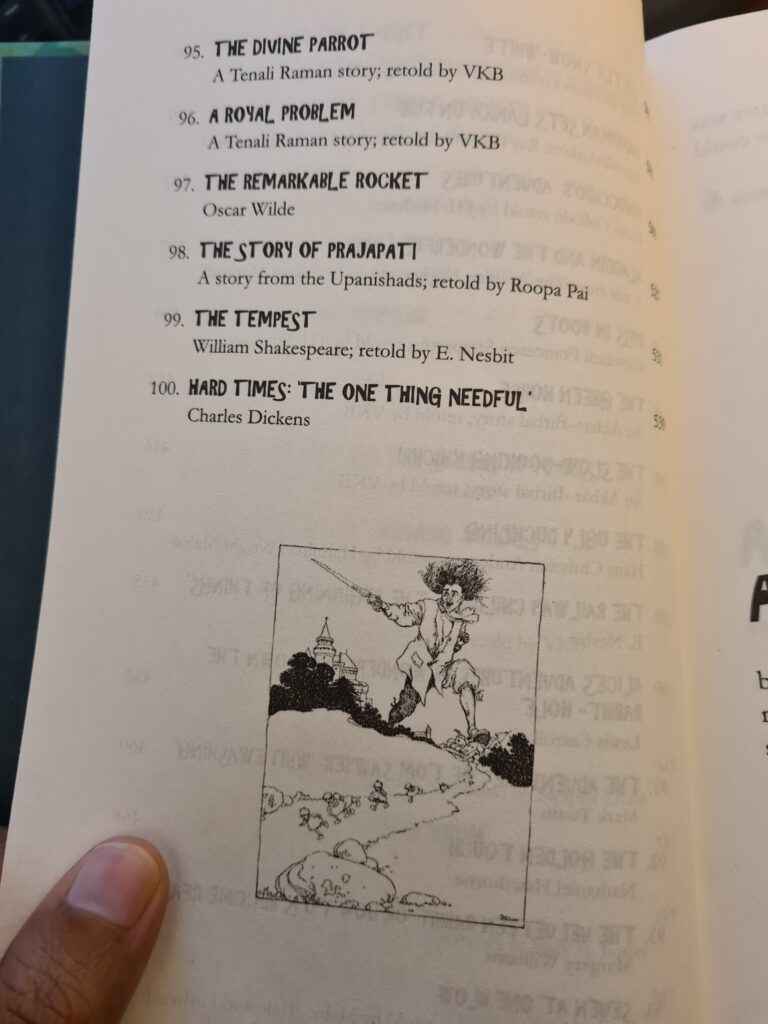
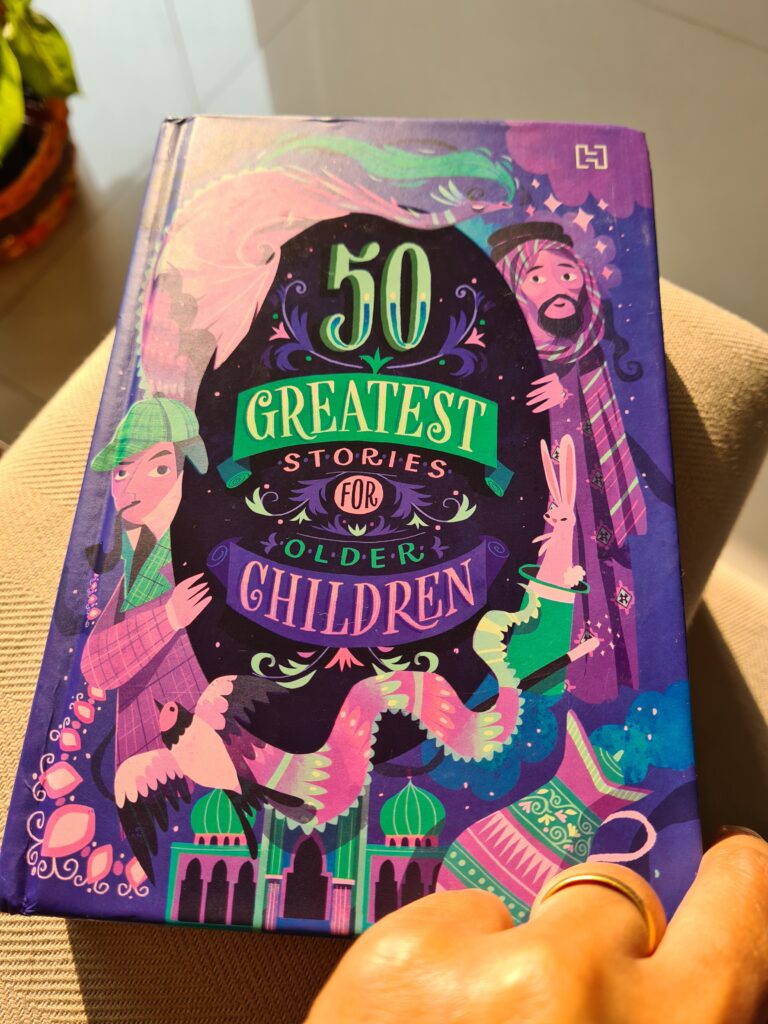
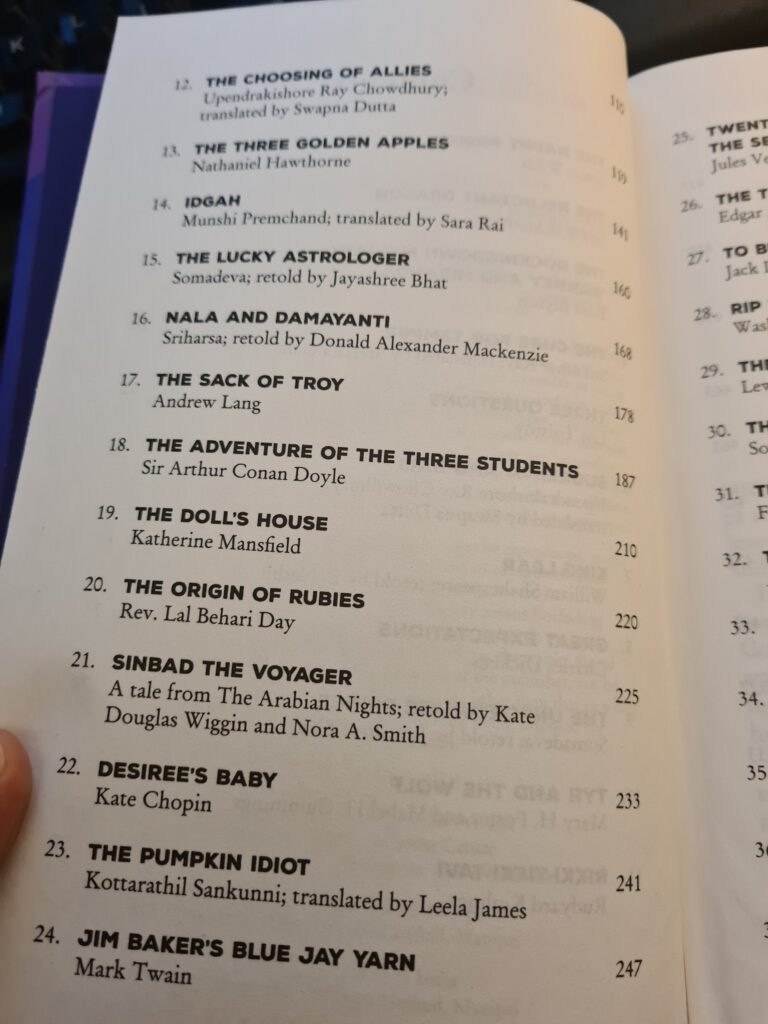
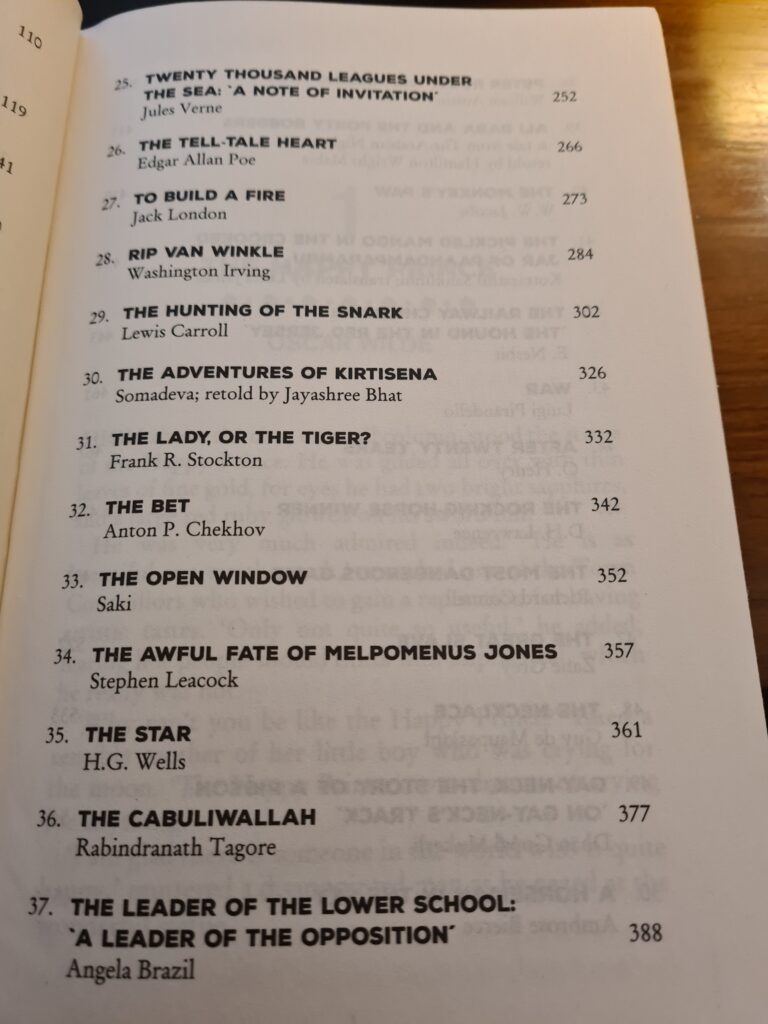
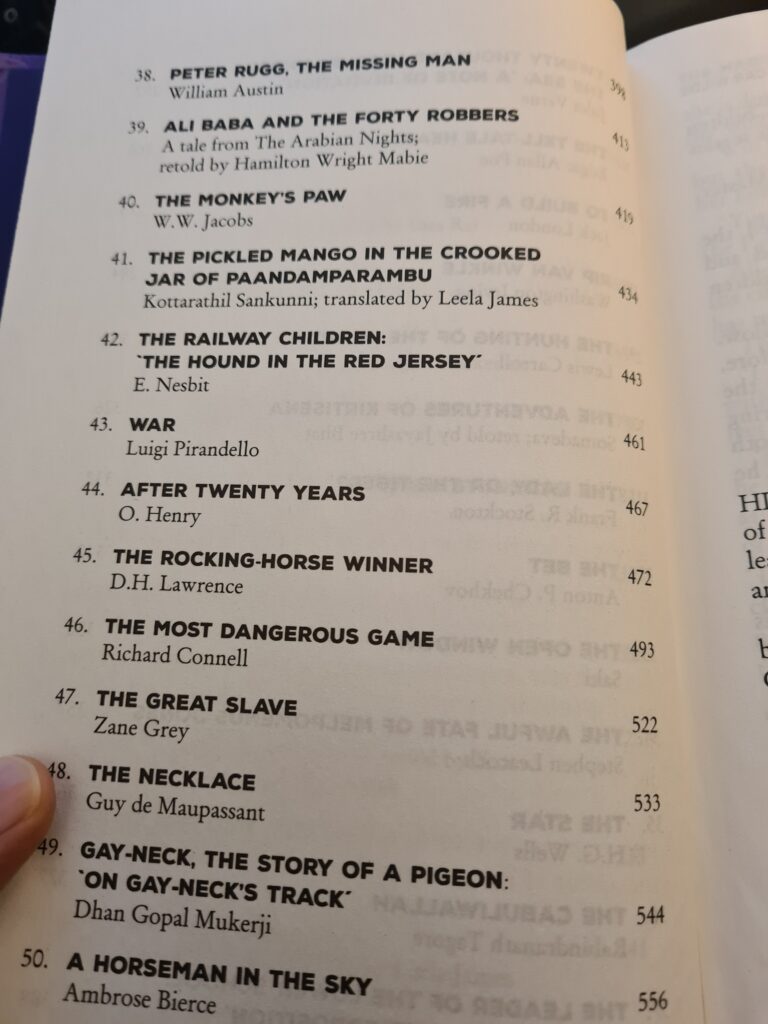
Hachette India has recently published two magnificently produced anthologies of stories for children — 100 Greatest Short Stories for Younger Childrenand 50 Greatest Short Stories for Older Children . These are collections with a mix of the oft anthologised folk tales, short stories and extracts in the English Literature canon but also some of the well-known stories from India or rather, mostly Bengal. Truly loads of fun! Just the kinds of books one relishes reading, recollecting favourite stories read in the past and sharing with the next generation. The emotions created at remembering them are as strong as when first encountered.
This is an excellent attempt at correcting the material with examples of Indian literature but it is inexplicable why the editors chose to represent India as the land of Hindus and Buddhists with theinclusion of more than one story from the epics and the Jataka Tales while ignoring all the other faiths that are an intrinsic part of this magnificently multi-cultural country? It is even more baffling since a few months ago, Hachette India produced a truly stupendous book called The Phoenix in the Sky: Tales of Wonder and Wisdom from World Religions retold by Indira Ananthakrishnan. So why not include stories that were already published in this collection assuming the sensitivity to India’s great diversity rather than capitulating to majoritarianism exists within the publishing team? It would be perhaps easier to ask this question of the editors who put together these anthologies except they are not mentioned anywhere in the books.
Having said that, 100 Greatest Short Stories for Younger Children and 50 Greatest Short Stories for Older Children are fabulous collections. A must have whether in a personal library or a school/classroom library. These books would also make excellent gifts given the affordable price of Rs 599 for a hardback. Good stuff!
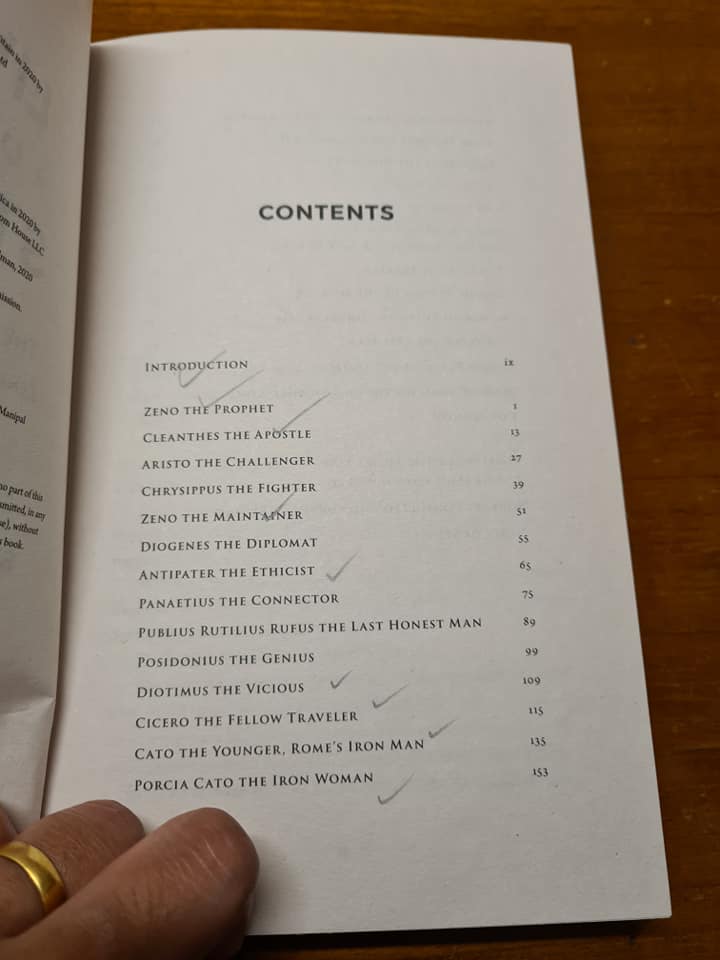
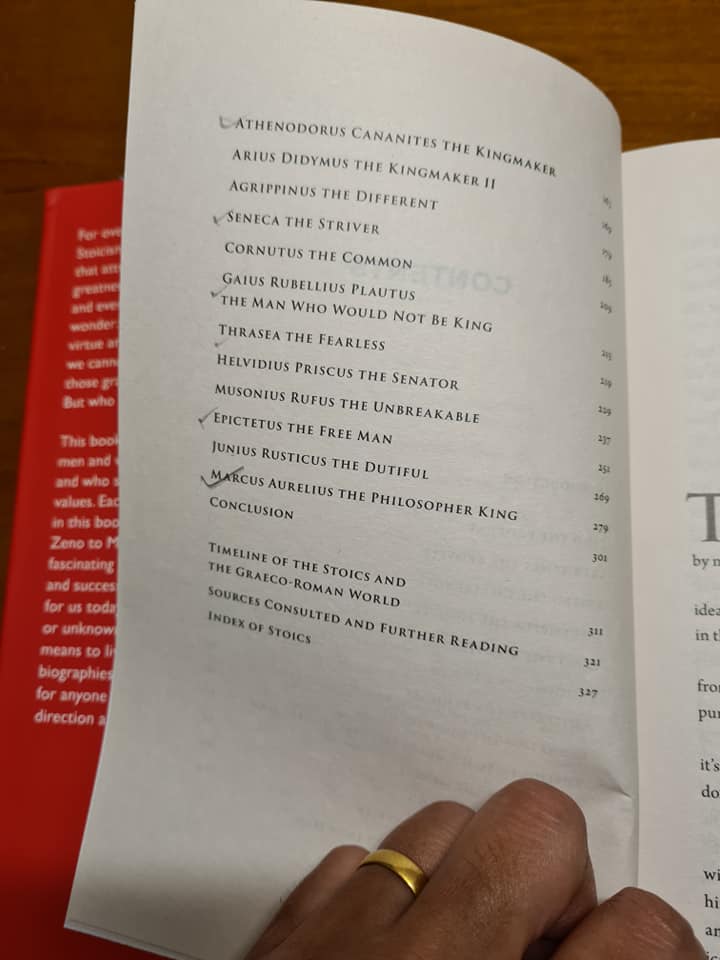
Lives Of The Stoics by Ryan Holiday and Stephen Hanselman was published recently by Hachette India. It is a set of profiles of men and women who were hard working, who never simply resigned themselves to the current state of things, accepting without objection the injustices/circumstances of the world. I read it a few weeks ago but have been unable forget it. It is not as if one recalls details of the people profiled but it is the general belief and way of ethical living, even if it comes at a cost. The relevance of this book cannot be overstated especially when all of us are trying to maintain our sanity during the pandemic. It’s significance is gleaned from reading the profiles, one by one or all together, is immaterial. It is the understanding of what it took to be stoic many centuries ago and the realisation that little has changed in terms of the philosophy and its application. Much to be learned and imbibed many centuries later as well.
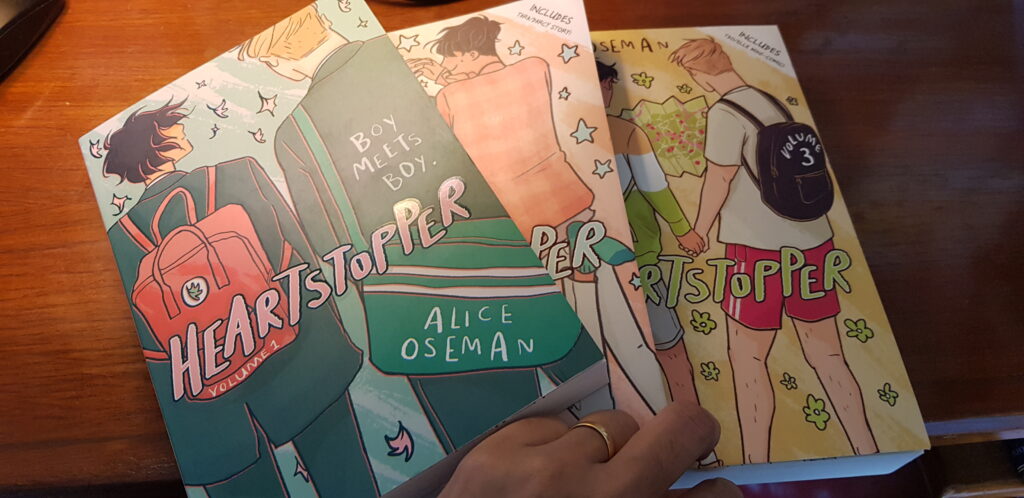
Writer, comic artist and illustrator Alice Oseman won her first publishing contract at the age of 17. Since then she has written three young adult novels and converted her popular web comic series, Heartstopper, into a four-book deal with Hachette Children’s Group. The first three volumes of the graphic novels have been published — Volume One, Volume Two, and Volume Three.
Heartstopper is a lovey-dovey story about two high school teenagers who discover that they are in love. Charlie and Nick are eighteen months apart in age. Charlie came out to his family and friends in Grade 9 and faced the horrific consequences of being bullied in school. Nick is the tough, popular, typical footballer-kind of schoolboy, who is in Grade 11. The three volumes are about Nick coming to terms with his love for Charlie. Nick is extremely hesitant and confused as he cannot undertand his attraction for the same sex particularly when he is also attracted to girls. Slowly Nick realises he is bisexual but his love for Charlie is for now firm.
The series move gently. At times it seems far too much time is spent in understanding and coming-to-terms with first love. But the awkwardness and anxiety riddled questions about whether the boys are making the right choices are very well presented. They are from a youngster’s perspective. It is difficult to describe but when adolescents are in love or think they are in love, it is a time-consuming preoccupation for them, usually at the cost of everything else — as Nick discovers when he fails to complete his maths homework,. His excuse? He had been up till late at night texting Charlie!
Heartstopper will fit very well in a YA LGBTQ+ list or section of a library except it is hard to imagine that many school librarians will permit these graphic novels to sit in the general section of their library. While YA LGBTQ+ lists are more and more well-defined with every passing year, their acceptance amongst the reading public will take time. The readers exist in the target audience of adolescents but the gatekeepers are still the adults. While novels of these lists are proliferating, particularly with Scholastic, graphic novels may be more challenging to accept for their explicit illustrations. Heartstopper is filled with innumerable scenes of kissing, hugging, cuddles and stolen moments between Nick and Charlie that may not go down too well with many adults who firmly believe that texts exploring sexuality are not necessarily to be introduced to imressionable minds. Having said that there are many, many reasons as to why these books must be shared, talked about and kept in classroom and institutional libraries. These are conversation starters. More importantly, while LGBTQ+ movements around the world continue gain in strength, younger generations continue to experience the confusion and anxiety that their sexual orientation may cause to them at first. It creates mental anguish that is not easy to share and discuss even with one’s closest family members as unfortunately acceptance of gay love continues to be taboo in many families. This is where books like Heartstopper prove to be useful. It is easy to read in solitude and come across questions that are constantly playing out in one’s mind. There are advantages of reading books as it helps in recognising and relating to scenarios outlines in the stories. LGBTQ+ activists may dismiss these books as being far too simplistic in their approach but the fact is that there are many youngsters who are worried and need to know. They may not be absolutely familiar with sophisticated arguments of the LGBTQ+ movement. It is important to start with the basics and slowly guide adolescents to a level of understanding and comfort that their anxiety about their sexual orientation is misplaced. As regards social acceptance, there are challenges but these too can be addressed slowly and steadily.
Heartstopper may not be to everyone’s liking but it is worth reading and discussing.
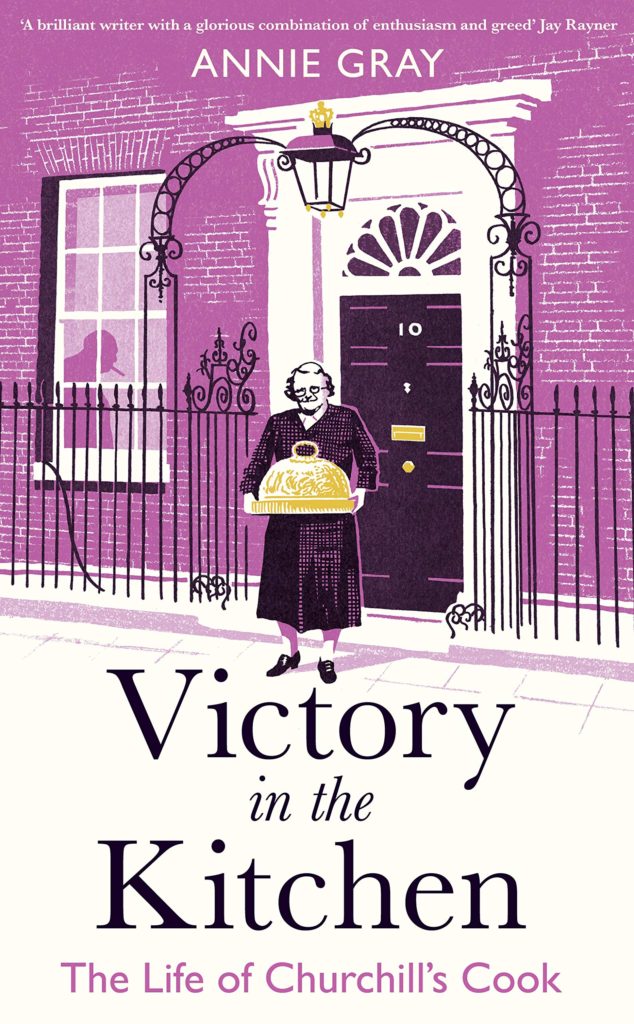
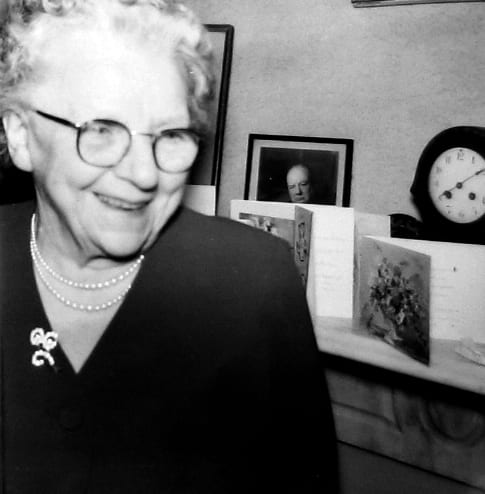
Victory in the Kitchen is a biography of Winston Churchill’s cook, Georgina Landemere. She worked for the Churchills from 1940 to 1954, the longest serving of any of their domestic servants. She was also particularly close to Clementine and remained in touch, sending each other cards at Christmas, till the late 1970s. Annie Gray, the biographer is an established food historian who has also written books like The Greedy Queen: Eating with Victoria and The Official Downton Abbey Cookbook.
Georgina ( 1862 – 1977) was born during the Victorian period when being in service was acceptable and probably the only reliable option for young girls. She was schooled till such time it was mandatory for children to be educated but as soon as it was legal for her to leave school, she did. She went into service beginning her career as a scullery maid. Georgina’s life span coincides with a fascinating time in food history. During the Victorian Age dishes were still created from scratch and needed time and patience. The Edwardian period had far more elaborate dishes that called upon the skills of the cook to create dishes that were not only magnificent to look at but were fine in taste too. It also coincided with the variety of copper dishes and moulds that were being mass-manufactured from the late 1870s onwards, enabling food to be served that looked nothing like in it’s natural form. During the war years, there was severe rationing and many of the ingredients required to create these elaborate meals were no longer easy to come. It relied upon all the skills and magical expertise of the cook to conjure up fantastic dishes. It was also the time of modern kitchen conveniences such as the gas stove, refrigerators, ice cream machines etc began to be readily available. Post-war years continued to be hard as rationing continued.
Toward the end of Georgina’s lifetime, dishes were no longer required to be elaborate. It was possible to have TV dinners. Recipe books explaining the basics of cooking were popular and a thriving segment for publishers. In fact, Georgina too had written a cookbook, endorsed by Clementine Churchill. It consisted of her tried and tested recipes. Unfortunately she was criticised for putting together recipes that were hard to make. But if her handwritten recipes, some of which have been reproduced in “Victory in the Kitchen”, are read, they are simple instructions easily understood by experienced cooks. With least fuss she is able to share recipes.
Georgina was fortunate to have found work in upper middle class households from her first assignment. She turned out to be an asset in any household that she was employed. She also remained in the good books of former employers who continued to correspond with her and on occasion employ her for an event or two. The Churchills called upon her to create the last meal to be served at 10 Downing Street when Winston Churchill finally quit the place for the last time and a dinner had been organised in his honour to which the young Queen Elizabeth had also attended.
The Churchills were familiar with Georgina’s cooking having sampled it before at dinner parties. So by the time she joined their household as a full time employee, they were known to each other. A factor that helped tremendously given their temperaments. Winston Churchill had a notoriously irascible temperament and could barely recall the names of his domestic staff. He was rude and inevitably used derogatory descriptions while referring to any particular person. He also loved to entertain. Sometimes he would organise large gatherings at very short notice and expect a good meal served, in keeping with his office. He was a firm believer in the informal dinner-party diplomacy. Many cooks left the household as being unable to keep this gruelling schedule. Not Georgina. She was calm and could create a variety of dishes, from the simplest to the most elaborate. Churchill’s clear chicken soup that were the doctor’s orders. So much so that Georgina was one of the few people from his staff who was authorised to use the official bunkers at 10, Downing Street. In fact, Churchill was known to admonish her while hustling her down to the shelter that, ‘I always have to be out after you. If Mr. Hitler gets you, I won’t get my soup!” On VE day, after his victory speech, he thanked Georgina personally for her work, taking her to the balcony to see the cheering crowds.
Victory in the Kitchen is a fascinating account of Georgina’s life. Given that she married a French chef, twenty-three years her senior, that the book also becomes a wonderful excuse for Annie Gray to investigate he food histories of France and England and the transformation that these cuisines underwent in the late-nineteenth and early twentieth centuries. Using the life of Georgina as a springboard to delve into the past to understand the position of women, the impact of the world wars on women, their employment, and of course the evolution of food tastes is well out together by Annie Gray. Surprisingly though Georgina’s name is missing from the book cover given how much effort the author has put in rescuing the history of a “cook” who could otheriwse have easiy been forgotten. Nevertheless except for this minor glitch Victory in the Kitchen is an excellent book.
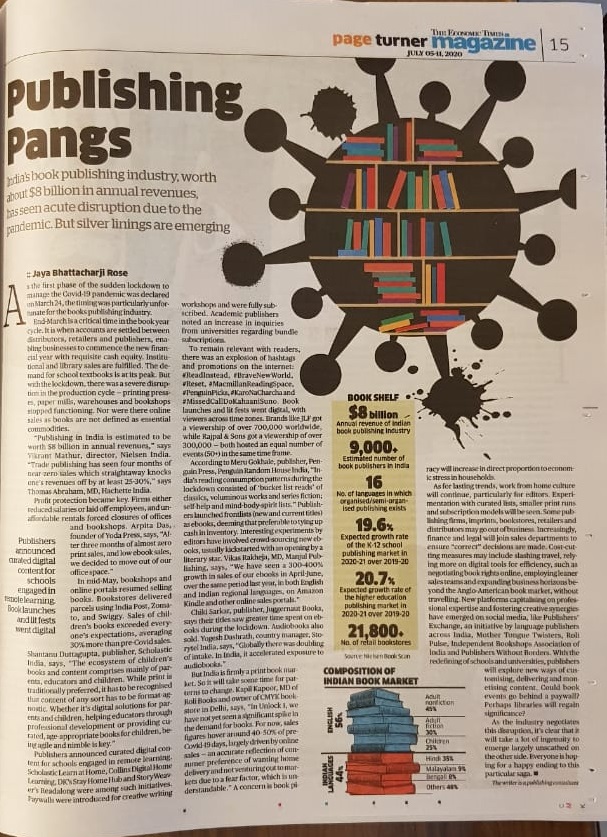
“Publishing Pangs”, Economic Times, Sunday Edition, 5 July 2020
On 24 March 2020 invoking the Disaster Management Act (2005) the first phase of the lockdown to manage the Covid-19 pandemic was announced. “Disaster Management” is considered to be a part of the Concurrent List under “social security and social insurance”. With the announcement all but the most essential economic activity halted nationwide. Only 4 hours’ notice was provided, insufficient time to plan operations.
Demand and supply existed but all cash cycles dried up — because bookstores were not operating. Brick-and-mortar stores had to close while online platforms focused on delivering only essential goods and books were not on the list. Priyanka Malhotra says “When Full Circle reopened in mid-May, there was a great demand for books. Mid-June, supply lines are still fragile, so getting more books regularly is uncertain. Well-stocked warehouses are outside city limits and are finding it difficult to service book orders to bookstores. We are mostly relying on existing stocks.”
In future, the #WFH culture will remain particularly for editors, curation of lists, smaller print runs, the significance of newsletters will increase, exploring subscription models for funding publishers in the absence of government subsidies and establishment of an exclusive online book retailing platform such as bookshop.org. Introducing paywalls for book events as the lockdown has proven customers are willing to pay for good content. Distributors and retailers will take less stock on consignment. Cost cutting measures will include slashing travel as a phone call is equally productive, advances to authors will fall, streamlining of operations with leaner teams especially sales teams as focused digital marketing is effective, With the redefining of schools and universities due to strict codes of physical distancing and cancellation of book fairs, publishers will have to explore new ways of customising, delivering and monetising content.
In such a scenario the importance of libraries will grow urgently. Libraries benefit local communities at an affordable price point. They are accessed by readers of all ages, abilities and socio-economic classes for independent scholarship, research and intellectual stimulation. The nation too benefits with a literate population ensuring skilled labour and a valuable contribution to the economy. By focusing upon libraries as the nodal centre of development in rehabilitation and reconstruction of a nation especially in the wake of a disaster, the government helps provide “social security and social insurance”. Libraries can be equipped without straining the limited resources available for reconstruction of a fragile society by all stakeholders collaborating. As a disaster management expert said to me, “Difficult to find a narrative for what we are going through”.
After a disaster, the society is fragile. It has limited resources available for rehabilitation and reconstruction. To emerge from this pandemic in working condition, it would advisable for publishers to use resources prudently. It is a brave new world. It calls for new ways of thinking.
Given this context, the Economic Times, Sunday Edition published the business feature I wrote on the effect of the pandemic on the publishing sector in India. Here is the original link on the Economic Times website.
***
As the first phase of the sudden lockdown to manage the Covid-19 pandemic was declared on March 24, the timing was particularly unfortunate for the books publishing industry. End-March is a critical time in the book publishing industry.
End-March is a critical time in the book year cycle. It is when accounts are settled between distributors, retailers and publishers, enabling businesses to commence the new financial year with requisite cash equity. Institutional and library sales are fulfilled. The demand for school textbooks is at its peak. But with the lockdown, there was a severe disruption in the production cycle — printing presses, paper mills, warehouses and bookshops stopped functioning. Nor were there online sales as books are not defined as essential commodities.
“Publishing in India is estimated to be worth $8 billion in annual revenues,” says Vikrant Mathur, director, Nielsen India. “Trade publishing has seen four months of near-zero sales which straightaway knocks one’s revenues off by at least 25-30%,” says Thomas Abraham, MD, Hachette India.
Profit protection became key. Firms either reduced salaries or laid off employees, and unaffordable rentals forced closures of offices and bookshops. Arpita Das, founder of Yoda Press, says, “After three months of almost zero print sales, and low ebook sales, we decided to move out of our office space.”
In mid-May, bookshops and online portals resumed selling books. Bookstores delivered parcels using India Post, Zomato, and Swiggy. Sales of children’s books exceeded everyone’s expectations, averaging 30% more than pre-Covid sales. Shantanu Duttagupta, publisher, Scholastic India, says, “The ecosystem of children’s books and content comprises mainly of parents, educators and children. While print is traditionally preferred, it has to be recognised that content of any sort has to be format-agnostic. Whether it’s digital solutions for parents and children, helping educators through professional development or providing curated, age-appropriate books for children, being agile and nimble is key.”
Publishers announced curated digital content for schools engaged in remote learning. Scholastic Learn at Home, Collins Digital Home Learning, DK’s Stay Home Hub and StoryWeaver’s Readalong** were among such initiatives. Paywalls were introduced for creative writing workshops and were fully subscribed. Academic publishers noted an increase in inquiries from universities regarding bundle subscriptions.
To remain relevant with readers, there was an explosion of hashtags and promotions on the internet: #ReadInstead, #BraveNewWorld, #Reset, #MacmillanReadingSpace, #PenguinPicks, #KaroNaCharcha and #MissedCallDoKahaaniSuno. Book launches and lit fests went digital, with viewers across time zones. Brands like JLF ( Jaipur Literature Festival) got a viewership of over 700,000 worldwide*, while Rajpal & Sons got a viewership of over 300,000 — both hosted an equal number of events (50+) in the same time frame.
According to Meru Gokhale, publisher, Penguin Press, Penguin Random House India, “India’s reading consumption patterns during the lockdown consisted of ‘bucket list reads’ of classics, voluminous works and series fiction; self-help and mind-body-spirit lists.” Publishers launched frontlists (new and current titles) as ebooks , deeming that preferable to tying up cash in inventory. Interesting experiments by editors have involved crowd-sourcing new ebooks, usually kickstarted with an opening by a literary star. Vikas Rakheja, MD, Manjul Publishing, says, “We have seen a 300-400% growth in sales of our ebooks in April-June, over the same period last year, in both English and Indian regional languages, on Amazon Kindle and other online sales portals.”
Chiki Sarkar, publisher, Juggernaut Books, says their titles saw greater time spent on ebooks during the lockdown. Audiobooks also sold. Yogesh Dashrath, country manager, Storytel India, says, “Globally there was doubling of intake. In India, it accelerated exposure to audiobooks.”
But India is firmly a print book market. So it will take some time for patterns to change. Kapil Kapoor, MD of Roli Books and owner of CMYK bookstore in Delhi, says, “In Unlock 1, we have not yet seen a significant spike in the demand for books. For now, sales figures hover around 40–50% of pre-Covid-19 days, largely driven by online sales — an accurate reflection of consumer preference of wanting home delivery and not venturing out to markets due to a fear factor, which is understandable.” A concern is book piracy will increase in direct proportion to economic stress in households.
As for lasting trends, work from home culture will continue, particularly for editors. Experimentation with curated lists, smaller print runs and subscription models will be seen. Some publishing firms, imprints, bookstores, retailers and distributors may go out of business. Increasingly, finance and legal will join sales departments to ensure “correct” decisions are made. Cost-cutting measures may include slashing travel, relying more on digital tools for efficiency, such as negotiating book rights online, employing leaner sales teams and expanding business horizons beyond the Anglo-American book market, without travelling. New platforms capitalising on professional expertise and fostering creative synergies have emerged on social media, like Publishers’ Exchange, an initiative by language publishers across India, Mother Tongue Twisters, Roli Pulse, Independent Bookshops Association of India and Publishers Without Borders. With the redefining of schools and universities, publishers will explore new ways of customising, delivering and monetising content. Could book events go behind a paywall? Perhaps libraries will regain significance?
As the industry negotiates this disruption, it’s clear that it will take a lot of ingenuity to emerge largely unscathed on the other side. Everyone is hoping for a happy ending to this particular saga.
* At the time of writing the article, this figure of 700,000+ held true for JLF. But on the day of publication of the article, the number has far exceeded one million.
** Storyweaver’s Readalong are multilingual audio-visual storybooks.
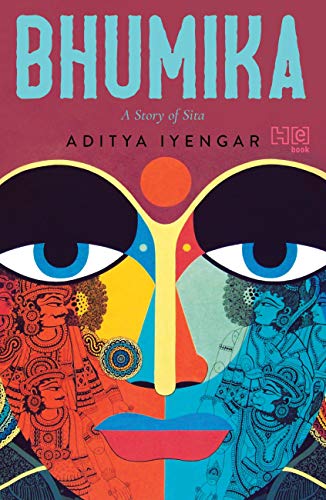
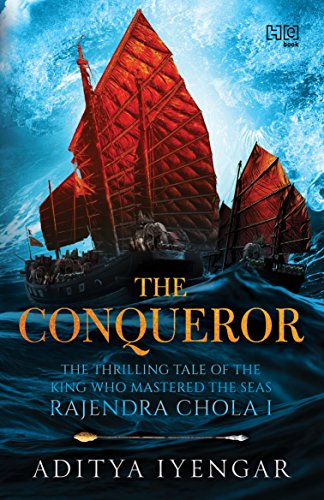
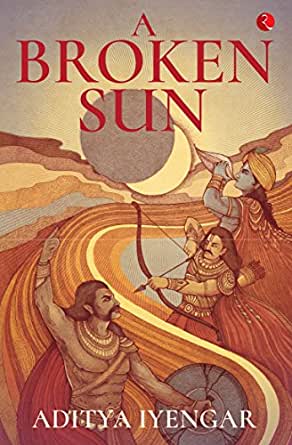
Retelling of Indian mythology by Indian novelists is proving to be quite an interesting exercise as it is allows the modern storyteller to choose and stress upon different aspects of the epics. Aditya Iyengar is one such writer. He writes Indian mythological and historical tales through the eyes of often unexplored and peripheral characters. His works include – The Thirteenth Day,Palace of Assassins, A Broken Sun, The Conqueror and Bhumika. His novel Bhumika was longlisted for the Mathrubhumi Book of the Year 2020. He lives in Mumbai.
How did you get into professional writing?
I’ve always been a voracious reader. But I think somewhere in my mid-twenties, I decided I wanted to attempt to write a novel. I think the confidence came after reading Arun Kolatkar’s poetry and Kiran Nagarkar’s seminal Cuckold. Somehow these made me feel that I could express myself through the English language but in an Indian idiom in a manner that felt entirely natural.
I’ve always been fond of mythology, historical and science fiction, so I knew I wanted to attempt one of these genres. I don’t remember why I decided to write a mythological retelling over the other genres. Perhaps because the story I had for my first novel (The Thirteenth Day) was the clearest in my head. Anyway, it took me a few years to actually develop it into something resembling a coherent narrative.
I don’t write for a living. I have a day job that doesn’t involve creative writing (though creative writing as a skill comes in handy in virtually every trade). It’s a conscious call I’ve taken to take the pressure off my writing. Also, the writing life is a lonely one, and natural introverts like me would never meet people if they decided to stay at home and write all day.
2. What appeals to you in telling the kind of stories that you choose to tell? Stories that are based in myth?
I’m a huge fan of mythological retellings and historical fiction. The past, whether it’s historical or epic, is strange and exciting territory There’s something about reading about characters from the past or from epic fiction and feeling a human kinship with them. In a way it reminds one that we are all connected, and through the years have had the same motivations.
3. How did you develop a passion for mythology? Are there any favourite retellings of the mythological tales that appeal to you?
Growing up, I was very fascinated by historical and mythological stories. I’m not sure why. I’ve certainly never analysed it. Some kids are interested in sports, some find science projects fun – I just really enjoyed reading history and mythology. My childhood fascination for the past (both historical and epic), I think, came out through my novels. Some of my favourite mythological retellings have been K.M. Munshi’s wonderful Krishnavatara, C Rajagopalachari and Kamala Subramaniam’s retellings of the Mahabharata, and Colleen McCullough’s The Song of Troy (which is based on the Illiad).
4. How do you plan your novels? I used to be a rigorous planner. I made notes for chapters, listed out characters, motivations, and tried to find what Vince Gilligan, the head writer of Breaking Bad calls “where the character’s head is at”. I’ve written five novels. My preparatory notes have reduced for each novel to the point that I wrote Bhumika with only a broad story in mind, and no chapter-wise road map. I’ve come to the conclusion that every novel requires a different process of planning. But if you have a broad story in your head, the details can be worked out as you write the novel. One doesn’t necessarily need to work out details before they start the novel, though it can be helpful even if one does.
5. What is your daily discipline to write?
I don’t write every day. I only write when I’m working on a project. Mostly, I get up early, work on my book for a little while, then head for work. Sometimes, I come back from the office and work for a bit too. On weekends, I wake up early and work till about 5 pm, after which I turn off my laptop.
I sit on a rocking chair, and balance my laptop on my lap and type. I don’t eat or drink anything except at meal times, and I end up eating very little if I’m absorbed in my work. I don’t read or watch anything on the telly during these times too. It’s a fairly hermit-like existence. Write, Go to Office, Return, Eat, Sleep and Repeat. Of course, such a lifestyle is unsustainable, so I normally write and finish novels within a few months. I have a healthy respect for deadlines, so I set myself a schedule and try hard to stick to it.
6. How much research does a book entail?
The level of research really depends on the novel. For my historical fiction novel – The Conqueror, I needed to read up on the Chola kingdom and the Srivijaya empire in Indonesia. I read a number of books and many academic papers and articles before I began writing the novel. A lot of my research was also shaped by the elements I wanted to include in the novel – for example, I wanted to write about one of the characters getting heavily drunk so I did research on the kinds of liquors that were available in those times.
For my Mahabharata and Ramayana novels, the research is limited since I already know most of the events through childhood retellings (Thanks, Mom!). Though I have also read some incredible translations that have helped shape my perspective. My mytho-fantasy series on Ashwatthama starts after the events of the Mahabharata and is entirely fictional.
7. What has changed in your writing style from the first book to the present one?
I’d like to believe my style is now more compact. I can express myself with fewer words. Also, I’m more confident using the full toolkit of punctuation marks. When I began, I would only use full-stops and abhorred any use of exclamation marks or colons and semi-colons. While I’m still very, very judicious about how I sprinkle those exclamations, I’ve learned how they can be used appropriately, for maximum effect.
8. Are there any particular darlings in your writing that you have had to kill off knowing it is for the good of the manuscript? Does it hurt to take these decisions?
Oh no, I absolutely couldn’t kill any of my darlings. Take some meat off them, yes – but what is the point of writing for pleasure if you have to kill your darlings?
9. Why create Bhumika in the way you did when the trend seems to be to retell stories in the way we have inherited the narratives?
I think our ideas of the purity of inherited narratives are not accurate. There have been several retellings and re-interpretations of the epics over the years and across different regions all over the country. I’d like to believe I’m following in a grand tradition of re-interpreting stories to make them more contemporary, like so many writers better than me have done before.
10. When do you find the time to read?
I don’t really read anymore. Not like I used to at any rate. I’m currently plodding through Richard Eaton’s A Social History of The Deccan, which is a tragedy because it is such a lovely book that I would finish it in a few days under normal circumstances. These days, between the job and daily chores, I find all my time going in the business of the day. I try reading in snatches of time – before going to bed or after finishing my work or before breakfast – and hastily devour as much of the book as possible. It’s almost become like having a clandestine lover. You meet with great difficulty, away from the eyes of the world, and cherish every moment together.
11. How many more novels have you drafted?
I’ve written a novel set in the film industry – it’s a dark comedy, but it’s languishing on my desktop because I haven’t had the time to do a FINAL FINAL.doc edit. Other than that, I have a few ideas for novels (two historical and one mythological) that I have yet to begin working on.
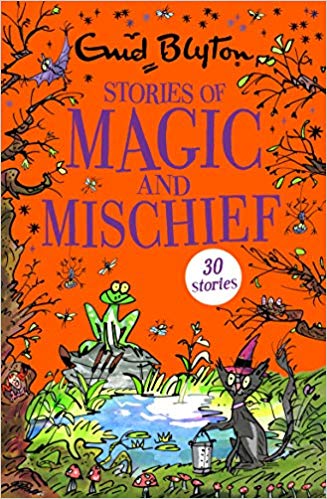
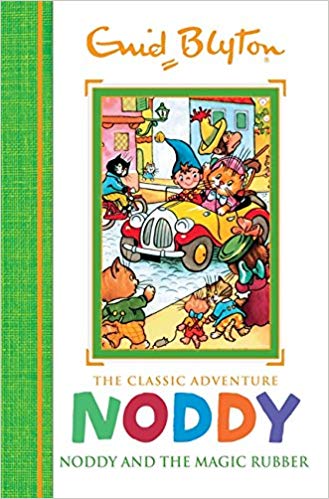
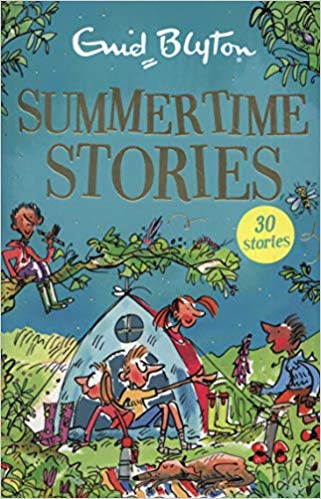
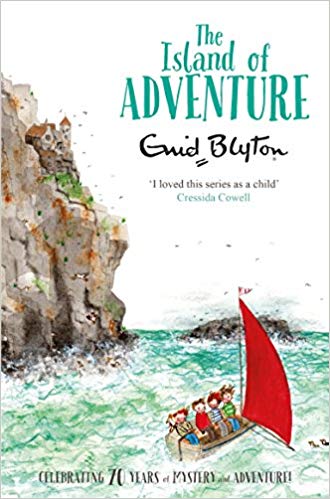
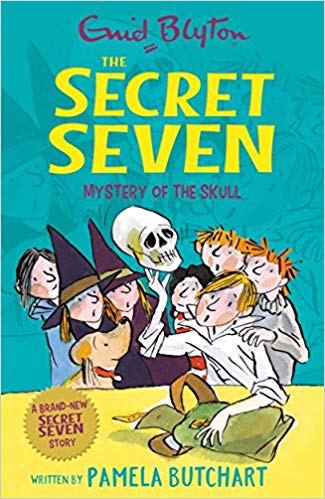
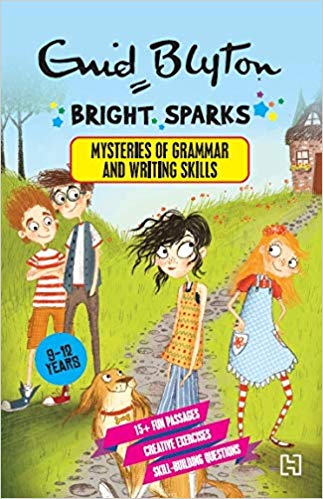
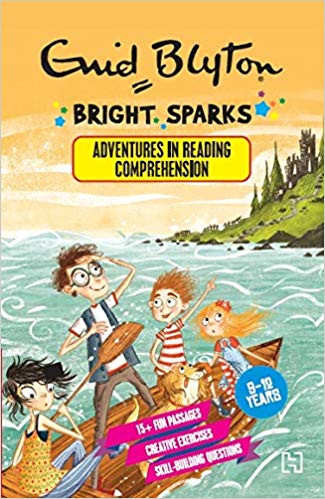
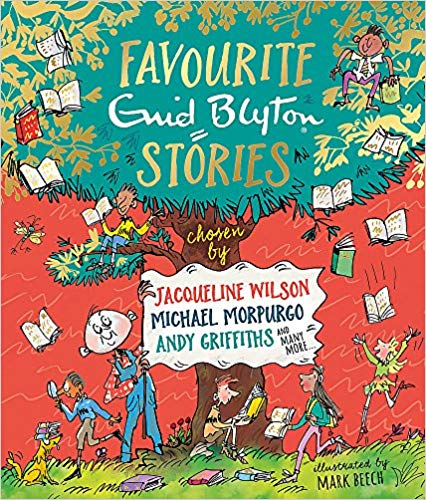
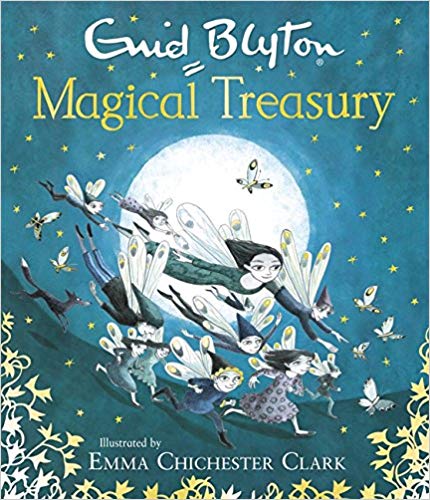
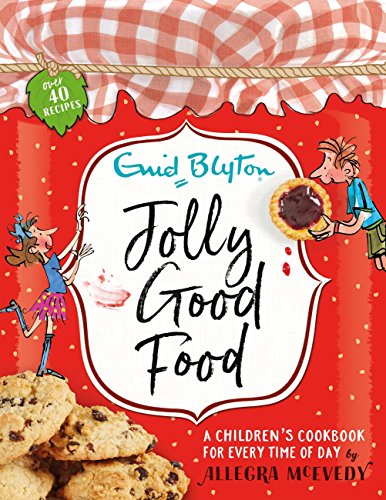
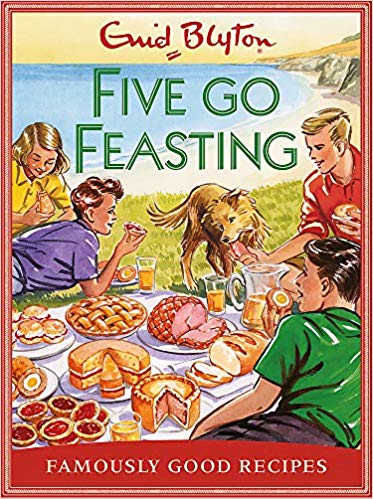
For some time now I have been seeing some wonderful new editions of Enid Blyton’s books published by Hachette India. Sometimes collections of short stories that I did not even know existed. Sometimes rejacketed versions of old faithfuls. At other times newly put together anthologies of extracts from Enid Blyton’s books or well-known children’s writers selecting their favourite extracts. And then there are the recipe books appealing to the adults who are nostalgic about the delightful eats Blyton mentions in her books while at the same time catering to the young readers who are fascinated by popular cooking programmes on television. Finally, there are examples of Enid Blyton’s stories being used to create grammar books for school children in the subcontinent.
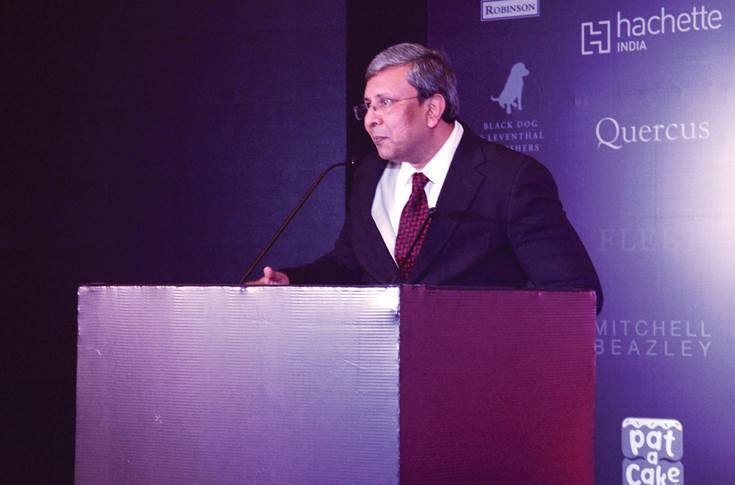
Thomas Abraham, MD, Hachette India kindly agreed to a Q&A on publishing Enid Blyton’s books.
Thomas Abraham, MD, Hachette India
******
How did the tie-up with Enid Blyton’s literary estate and Hachette
happen?
There is no tie-up. Hachette is the estate now, having bought up the rights in March 2016. So Hachette now owns the copyright to all of Blyton’s work, except I think Noddy, because that was pre-sold by the estate earlier. Just like rights to the adventure series are pre-contracted to PanMacmillan… so those will remain in place for contract validity. How it began is from our history. We were Blyton’s first publishers in the 1930s and have published her continuously since then.
2. Is the contract meant only for the revival of the backlist?
No it’s for whatever we
want to do. As mentioned, we own the copyrights from the signing of the
agreement with the estate where we are the new copyright holders in an outright
buy out.
New copyright answered below would depend on what the authors chose—one-time fee or royalties and assignment or transfer. I don’t know that offhand, but the copyright page of any of the new books will state that.
3. Some of the more popular series such as Secret Seven are being expanded with modern storytellers. Why?
That’s common for most very successful brands, not just Blyton. From Bourne to Bond, to Asterix, to Sidney Sheldon, Margaret Mitchell, Jane Eyre…further extensions through sequels, prequels, and line extensions have always been there. And it’s not just Secret Seven, Malory Towers has extensions too. The Naughtiest Girl and Malory Towers had them over 15 years ago. As to why—simply to contemporize it for current readers…reflecting today’s realities and cultural milieu. So Malory Towers now has an Indian writer with an Indian girl student joining the school. And no this was not done for India—this is to mirror British society which is much more multi-cultural today.
4. Who holds the copyright for these new stories? The commissioned author or the literary estate? What have been the immediate impact of this collaboration between Enid Blyton and Hachette?
This will be the choice of the new writers—they could opt for one-off copyright sale, or royalties. (So it may vary and I’m not sure, but a look at the copyright page will tell you)
5. a. Enid Blyton’s stories are representative of the age she wrote in. So her references to “Golliwog” or her sexist representation of gendered activities would not be appreciated in contemporary times. Yet she has made a surprise comeback with many appreciating her books.
Perhaps because too much has been made of that bit is my belief. Almost every single English reading adult has grown up on these tales, and they haven’t turned out racists. This comes up from time to time, but is definitely not true when blanketed together like that. Let’s take them one by one.
There is certainly no sexism in her books… seen in the context of today they may not be stridently feminist (Anne being a homebody, is equally complemented by George being the main heroine of the Famous Five series; and the school series all have strong protagonists). Yes, there are stereotypes which existed in that time (of roles boys and girls play) and are there in most books of the era whether adult or children—from Sherlock Holmes, Agatha Christie. The racism question arose because of the golliwog toy in Noddy being analyzed in that context, which has since in the wave of political correctness been removed as I understand it, but certainly there is no derogatory text anywhere that can be called racist. Our current Hindi mass market cinema is far more racist, misogynist and xenophobic. Coming to xenophobia — hardly any of the books have foreigners, and if they appear as villains (Adventurous Four, the Adventure, the Secret Series) that is because of the setting and character; and inevitably there are balancing good characters from the same country. And statistically there are obviously more British baddies. Snobbery is shown as a clear negative in most of her didactic books, and those snobs always get their come-uppance.
It’s not as though there
are not issues or problems… but they are issue of the time they were written in
and do not I believe have any sort of impact—given the millions across the
world who have grown up on her books. In fact, her books are very strong on the
whole ‘moral values’ of the time—almost to the point of ‘preachiness’—which may
be one reason they are so popular in India. Honesty, integrity, loyalty,
bravery, courage—a veritable textbook of moral values. No matter that some of
them like ‘British pluck’ may be outmoded. But what makes her still relevant
and in demand is that she is one of the greatest storytellers in the world with
an amazingly prolific output and makes children happy.
5 b. Have the Enid Blyton books been edited for a newer audience? If so what are the principles governing the editing of Enid Blyton’s backlist?
Yes, or updated rather. Plotlines have not been interfered with; and Blyton is fairly timeless. Her stories stay universal because there isn’t too much datable about them. she doesn’t for instance name brands in her detailing. Cars for instance may be described as a “big black car, with a powerful engine” not a Rolls or Morris which would immediately date it. so what has been tweaked is very archaic usage—pinafore for uniform tunics, pullover for jumper etc. In fact the reverse happened when the Famous Five were experimented with…in almost a classic coke vs New Coke backlash the new text was not welcomed; and the old one was reinstated.
6. Do you have cultural sensitivity readers for Enid Blyton’s stories before releasing them? Do different markets have different teams supervising the release or is there a specific team overseeing the global release of Enid Blyton books and product lines?
A mix of both—it’s primarily central in the Blyton Estate team based at Hachette UK, and we are asked for input when needed. And we create new product for our markets. In India we’ve begun a new non-fiction stream for instance. Essentially the legacy is continued as classic children’s fare with not much being done to change existing stories. New stories are done factoring in multi-cultural societies of today. And the continuations of her series—there are new secret seven, wishing chair, and Malory Towers stories in contemporary settings which are much more multi-cultural… the latest one even written by Narinder Dhami and featuring an Indian character.
7. Some of the new and fascinating array of collateral from this tie-up have been the cookery books and the English comprehension and grammar books. Why and how did Hachette decide to diversify the Enid Blyton portfolio? How have readers’ responded to the new range of books?
The grammar, vocabulary and other educational collateral was our idea and exists only in India. I felt that since we owned the brand and the fact that Blyton was one of the best teachers of English you could have…it would be remiss of us not to publish a breakaway stream of non-fiction using the texts. The series were just released last year. It’s early days, and this series will require school channel distribution not just trade, so we’ll know in a couple of years how they fare.
8. Do Enid Blyton’s imaginative stories translate well into other languages? If so, which are the languages that are most receptive to her books?
Because the storylines and plots are so good, they certainly would translate well just on those terms. Yes, the amazing use of English language which is the other great part, would be lost. Yes, she’s been translated into over 90- languages. So they are all over including Sinhala.
9. Will Hachette ever republish Enid Blyton’s autobiography The Story of My Life?
Not on current schedules which is in the first instance republishing all her fiction output. The non-fiction and memoirs will follow.
10. Indians enjoy reading Enid Blyton’s stories. But ever since the revivial of her backlists, has there been a noticeable surge in sales? Also is it possible to discern whether the newly commissioned stories are preferred to the original Enid Blyton stories or does that not matter?
Enid Blyton has always been
a huge seller. The famous Five sell over half a million copies every year, of
which India’s share is about 35%… so while that is fantastic, it should also
correct the erroneous impression that she sells predominantly in India. The
newly commissioned stories join the others so get similar sales, but the
original canon still sells just that bit more.
The UK is a very front list
market (meaning new books), so while she sells very well (her sales there are
still higher than sales in India) she may not rank in the current top five
children’s authors for instance. But even recently in a UK poll, she was voted
as the most popular children’s author of all time beating Roald Dahl and JK
Rowling.
India is still a throwback
market, relying on traditional favourites and backlist (older books) is very
strong. And Enid Blyton here is still in the top three after recent bestsellers
Geronimo Stilton and Jeff Kinney. And this is over 70 years after these books
were published.
For context it must be
understood that the core and basic readership in the UK or USA is very wide,
unlike India where it is minuscule. We also react to the top trends in the
world, so Harry Potter, twilight, Hunger games, wimpy kid will make it big here
too. But the next level or a wider range of books gets very little
exposure—whether they be international books or home grown books.
11. Are any film /
TV adaptations of Enid Blyton’s stories to be expected soon? If so which ones
are the most likely to be created first?
Yes, there are a couple in
the pipeline though I don’t have details. From the 1940s, every decade has seen
a movie or TV series made of the main series. Next year will see Malory Towers
from the BBC.
12. How significant is the
audiobook market for Enid Blyton’s books?
Not very significant. The audiobook revolution was in the adult market. I’m not aware of the children’s segment audio. There the experimentation is in book and sound formats. very few standalone audiobooks that I know of.
Book Post 49 includes some of the titles received in the past few weeks. Wherever available Amazon’s Kindle widget has been embedded in the blog post. It will allow you to browse through the book before you decide to buy it.
This is a double issue as time whizzed by before I knew it, the week was over!
As the book fairs, literature festivals and literary awards season draws near, the number of titles being released into the market increase exponentially. Some of them being the “big titles” that the publishing firms are relying upon. Two of them featured here are two such titles. These are the thrillers — The Flower Girls by Alice Clark-Platts and The Silent Patient by Alex Michaelides.
Alice Clark-Platts, founder of Singapore writers group and a former human rights lawyer, has published her third thriller. The Flower Girls is about the killing of two-year-old girl by two sisters, who are six and ten, respectively. It is a case that had caught the imagination of the media. The older sister had been incarcerated but the younger one had been let off as she was too young to be tried. Instead the police force helped the parents and remaining daughter to assume new identities and start a new life in a different city. Two decades later the case is recalled as another five-year-old girl goes missing. It is an absorbing tale for its details of the murder and trial that seem to defy human imagination. It is as if there is an underlying truth to the horrors a human being is capable of, almost as if it is the transferance to some extent of a lived experience by the author to the page, but not necessarily a replication of any case she has dealt/read. Apart from the horror of the actual crime itself, there are many pertinent issues raised in this novel about the troublesome aspect of incarcerating one so young, arguments for parole, the course of justice and the prejudices people may have that may colour their judgement. The best discovery in this novel is the creation of DC Hillier, almost as if she is the female response to Jack Reacher or a modern reincarnation of Miss Marple. The potent combination of a fine instinct for sniffing out criminals built over many years as a Detective Constable, phenomenal memory, dogged persistence to pursue clues, and a fascination for being first on the crime scene, make DC Hillier a character worth following in the coming years. Her beat will remain unchanged. It will be the small town but there will be plenty of opportunities for stories to occur as tourists visit the seaside. Since The Flower Girls is her first appearance on the literary landscape, DC Hillier will take at least another 2-3 novels before she settles down, but once she does, she will soar!
Rating: 4.5 / 5⭐
Debut novelist Alex Michaelides’s The Silent Patient is already an NYT bestseller. It’s first print run was 200,000. It is a psychothriller that is gripping. It moves swiftly. There are short sentences, crisp dialogue and the length of the chapters match the smart pace of the storytelling. It helps that the author studied English literature at Cambridge University and earned his MA in screenwriting at the American Film Institute in Los Angeles. This professional training has helped create an undeniable page turner. All those who have endorsed the book, such as Lee Child, David Baldacci, Joanne Harris, Stephen Fry, and C. J. Tudor, are absolutely correct in their assessment of it being an excellent, slow-burning psychological thriller. It is about Alicia Berenson who is accused of killing her fashion photographer husband Gabriel. No one knows why she did it since after shooting him in the face she stops talking. After trying to attempt suicide, she is taken into custody and then sent off to asylum called The Grove. The story is narrated by forensic psychotherapist Theo Faber whose opening introduction about himself is that he “was fucked up”. He is offered an appointment at The Grove and becomes Alicia’s therapist. It is a gripping tale undoubtedly and no wonder it has already been sold into 39 territories and is being developed into a major motion picture. Be that as it may, there are details in the story that give it away as amateur work that will go largely unnoticed with most readers. For instance, when Alicia hands over her diary to Theo Faber to read, he says that judging by the handwriting, it was written in a chaotic state of mind, where the writing was barely legible and doodles and drawings taking over some of the pages. Yet, the diary extracts reproduced in the story are beautifully composed with complete sentences, perfect dialogue, smooth narration and build the plot seamlessly. A bit puzzling given how Alicia is known to be of troubled mind. Later too as the plot hurtles to the end, the inexplicable switch in the timelines while acceptable when the reader is in a reading haze, are bothersome details when reflecting upon the story later. It is unfair to the reader for the author to switch timelines as if for convenience to tie up the loose ends in the plot. This is a novel that has possibly been written with a view to adapt it to the screen and the magic has worked. It is to be seen if the subsequent novels of Alex Michaelides will inhabit this dark and depressing world. Whatever the case, Alex Michaelides’s brand of psychothriller, is here to stay and will spawn many versions of it too.
Rating: 3.5/5 ⭐
The third book is a collection of short stories by Indian women writers called Magical Women, edited by Sukanya Venkatraghavan. It is a pleasant enough read if read with zero expectations about reading fantasy stories that take strong imaginative leaps into a magical realm. Most of the stories are pleasant to read. The stories are preoccupied with worries of the real world such as of sexuality, child molestation, infidelity, etc. Two stories that stand out are “Gul” by Shreya Ila Anasuya and “The Rakshasi’s Rose Garden” by Sukanya Venkatraghavan. “Gul” is about a nautch girl during the uprising of 1857 and “The Rakshasi’s Rose Garden” is about child molesters. While most of the stories in the collection have immense potential, they tend to fall flat on their face for the inability of the writers to lift it off the ground with elan. Instead most rely on done-to-death details as pods and strange creatures. When the story is to take an imaginative leap it lands straight into a world that is a mere transplantation of existing reality or the world of mythology. So there is a rave party, a mysterious laboratory, lesbians, etc. There is nothing truly breakaway in Magical Women except for the fact that it is a breakaway collection of talented storytellers who may one day astound the world with their true potential. For now, most of them, are holding back. I wonder why?
Rating: 3.5/5 ⭐
And then there is The Man with the Compound Eyes by Taiwanese author Wu Ming-Yi, translated by Darryl Sterk. An eco-fiction that Tash Aw in his 2013 review in the Guardian referred to it as hard-edged realism meets extravagant fantasy.
It is easy to see why Wu’s English-language publishers compare his latest novel to the work of Murakami and David Mitchell. His writing occupies the space between hard-edged realism and extravagantly detailed fantasy, hovering over the precipice of wild imagination before retreating to minutiae about Taiwanese fauna or whale-hunting. Semi-magical events occur throughout the novel: people and animals behave in mysterious ways without quite knowing why they are doing so; and, in a Murakami-esque touch, there’s even a prominent cat. But beyond these superficial similarities lies an earnest, politically conscious novel, anchored in ecological concerns and Taiwanese identity.
Encapsulating such a rich novel is not easy but suffice to say it that the author’s environmental activism, trash in the sea, concerns about climate change, a deep understanding of environmental disasters, has helped him create an extraordinarily fantastic novel. From the first sentence it immediately transports the reader into this magical world of the imaginary island of Wayo Wayo, created with its own myths and folk legends. Fantastic novel that years after the English translation was made available, it continues to find new readers, with new translations.
Rating: 4/5 ⭐
The final book is Leaving the Witness: Existing a Religion and Finding a Life, a memoir by a former Jehovah Witness, Amber Scorah. It is an account of Amber’s life as a Jehovah Witness, finding a husband from the same community and then travelling across the world to become missionaries in China. Amber knew Mandarin so could speak to the locals. Her grasp of the language improved as she began to communicate more frequently with others. She managed to get a job working on podcasts, at a time when podcasts were barely heard of, and yet her shows became so popular that Apple ranked it amongst the top 10 podcasts of the year. While in China, she befriended many outside the community, even made friends like Jonathan online, but kept it a secret from her husband and their circle as this was considered taboo. Soon she begins to question her proselytising as questions are raised of her regarding her beliefs. She is forced to question her blind faith in the cult. Slowly her marriage disintegrates too. Leaving the Witness reads like her testimony, a reaffirmation of her belief, except not entirely in the manner that her church would have approved. Amber Scorah chooses to leave the community and build a life of her own. It is tough for she has to learn how to make friends, she has to learn simple things like understanding popular culture references in casual conversation, being able to enter and enjoy a social engagement without feeling horribly guilty etc. It ends sadly with the death of her infant son at the daycare centre but it also is a strong testament to others wishing to leave suffocating environments that it is possible to do so and build new lives. It is not easy but it is possible. In fact the book has been placed on O, The Oprah Magazine Summer 2019 Reading List and Trevor Noah invited Amber Scorah to his talk show. It is a good book and deserves all the publicity it can garner.
Every Monday I post some of the books I have received in the previous week. This post will be in addition to my regular blog posts and newsletter. Today’s Book Post 25 is after a gap of two weeks as January is an exceedingly busy month with the Jaipur Literature Festival, Jaipur BookMark and related events.
In today’s Book Post 25 included are some of the titles I received in the past few weeks as well as bought at the literature festival and are worth mentioning.